In brief
As the Pacific Northwest prepares for another round of heavy rain, the aftermath of a recent powerful storm has led to flooded roads, stranded vehicles, and high water rescues. Authorities are urging residents to stay vigilant as more rain is expected throughout the week, with significant river flooding anticipated.
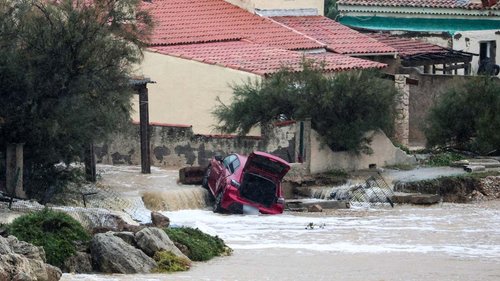
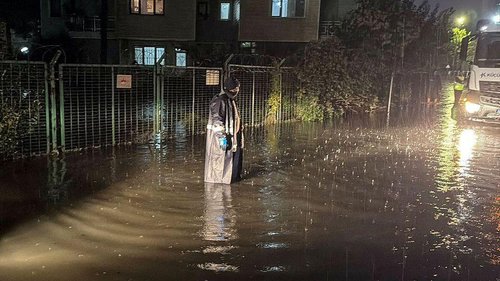
PORTLAND, Ore. (AP) — The Pacific Northwest is bracing itself for another wave of intense rain on Wednesday, following a powerful storm that wreaked havoc across the region just a day earlier. This storm resulted in swollen rivers, numerous road closures, and several high water rescues in Oregon and Washington. On Tuesday, the first in a series of storms prompted widespread power outages, flash flooding, and school closures in affected areas. Reports indicated that drivers struggled to navigate hazardous debris and submerged roadways, with many vehicles trapped. Fire officials northeast of Seattle reported using inflatable kayaks to rescue individuals from stranded cars, including a person who had to be transported about a mile to safety after being trapped in rising waters. Washington Governor Bob Ferguson announced on social media that the state’s Emergency Operations Center has been activated to its highest level due to the ongoing rain and wind effects. Forecasters are warning that the worst may still be on the horizon, with several major rivers expected to crest in the coming days. Notably, the Skagit River is projected to rise over 15 feet above normal flood levels, potentially breaking historical records. Meteorologist Harrison Rademacher described this atmospheric river as a significant jet stream of moisture originating from the Pacific Ocean and impacting the coastlines of Oregon and Washington. The National Weather Service predicts that several days of heavy rain could lead to further flooding along the coast and possibly over a foot of new snow in parts of the northern Rockies in Wyoming. As flood watches remain in effect, residents are urged to remain cautious, especially along Interstate 5 where firefighting crews have already conducted multiple rescue operations.In anticipation of more severe weather, city officials in areas prone to flooding are proactively alerting residents and implementing emergency measures, including the deployment of temporary flood control barriers and the opening of severe weather shelters. Meanwhile, weather-related school closures are becoming common as districts adapt to the latest developments. As the Pacific Northwest prepares for further storms, officials warn of increased risks for drivers on slick roads, particularly from hydroplaning. Amidst all this, southeast Alaska is also preparing for an arctic blast that could bring extreme cold and dangerous wind chills.