Warning: This story contains references to sexual assault and suicide.
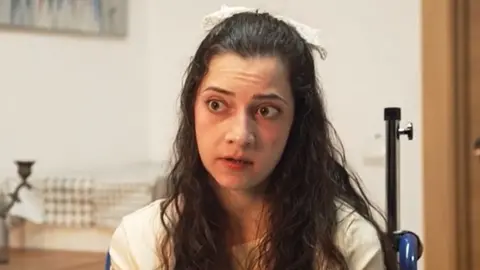
The euthanasia of Noelia Castillo, a 25-year-old Spanish woman, has ignited debate over state responsibilities in the context of assisted dying. After enduring significant trauma, including paraplegia from a suicide attempt in 2022, Castillo fought for the right to end her life peacefully. She passed away at a Barcelona hospital following a protracted battle with legal objections raised by her father, supported by the group Christian Lawyers.
Castillo's request for assisted dying had been approved by the Catalan regional government but was suspended due to legal challenges. Her case drew immense attention in Spain, culminating in a recent ruling from the European Court of Human Rights that ultimately allowed her wish to be fulfilled. However, concerns linger regarding the adequacy of care and support she received from the state throughout her ordeal.
Growing up in care homes and facing adversity, including sexual assault, Castillo consistently expressed the desire to end her suffering. She stated in a recent interview, I want to go in peace now and stop suffering. Despite her family's opposition, she found a final sanctuary in the Sant Camil Barcelona clinic.
The case has sparked criticisms from various quarters, with the opposition People's Party highlighting institutional failures and the Catholic Church lamenting the culmination of Castillo's suffering in euthanasia rather than recovery or support. In contrast, advocates emphasize her right to choose, asserting that no legal obstruction should have interfered with her decision.
As Spain's euthanasia law permits adults suffering from terminal conditions or serious disabilities to request assisted dying, Castillo's story underscores the complexities and ethical dilemmas inherent in such laws. Critics argue that the additional legal hurdles she faced extended her suffering unnecessarily. Ultimately, Noelia Castillo's tragic circumstances continue to serve as a catalyst for discussions about mental health, family dynamics, and the role of the state in caring for vulnerable individuals.
The euthanasia of Noelia Castillo, a 25-year-old Spanish woman, has ignited debate over state responsibilities in the context of assisted dying. After enduring significant trauma, including paraplegia from a suicide attempt in 2022, Castillo fought for the right to end her life peacefully. She passed away at a Barcelona hospital following a protracted battle with legal objections raised by her father, supported by the group Christian Lawyers.
Castillo's request for assisted dying had been approved by the Catalan regional government but was suspended due to legal challenges. Her case drew immense attention in Spain, culminating in a recent ruling from the European Court of Human Rights that ultimately allowed her wish to be fulfilled. However, concerns linger regarding the adequacy of care and support she received from the state throughout her ordeal.
Growing up in care homes and facing adversity, including sexual assault, Castillo consistently expressed the desire to end her suffering. She stated in a recent interview, I want to go in peace now and stop suffering. Despite her family's opposition, she found a final sanctuary in the Sant Camil Barcelona clinic.
The case has sparked criticisms from various quarters, with the opposition People's Party highlighting institutional failures and the Catholic Church lamenting the culmination of Castillo's suffering in euthanasia rather than recovery or support. In contrast, advocates emphasize her right to choose, asserting that no legal obstruction should have interfered with her decision.
As Spain's euthanasia law permits adults suffering from terminal conditions or serious disabilities to request assisted dying, Castillo's story underscores the complexities and ethical dilemmas inherent in such laws. Critics argue that the additional legal hurdles she faced extended her suffering unnecessarily. Ultimately, Noelia Castillo's tragic circumstances continue to serve as a catalyst for discussions about mental health, family dynamics, and the role of the state in caring for vulnerable individuals.