In brief
Loneliness has become a silent epidemic in China’s rapidly urbanising cities, prompting a surge in paid companions who offer everything from hot meals to household fixes. 91‑year‑old Yang, a former factory worker, once considered voluntary euthanasia after her husband’s death, but found solace when Wang Yingwei’s small team visited twice daily. The service, costing half a caregiver’s fee, blends practical help with genuine companionship, a model now being scaled to 7.4 billion USD market value. Experts note that these paid relationships provide predictable support, filling gaps left by digital communication and strained family ties. The movement illustrates how a deep human need—connection—has become a measurable market, reshaping how China confronts social isolation across generations.
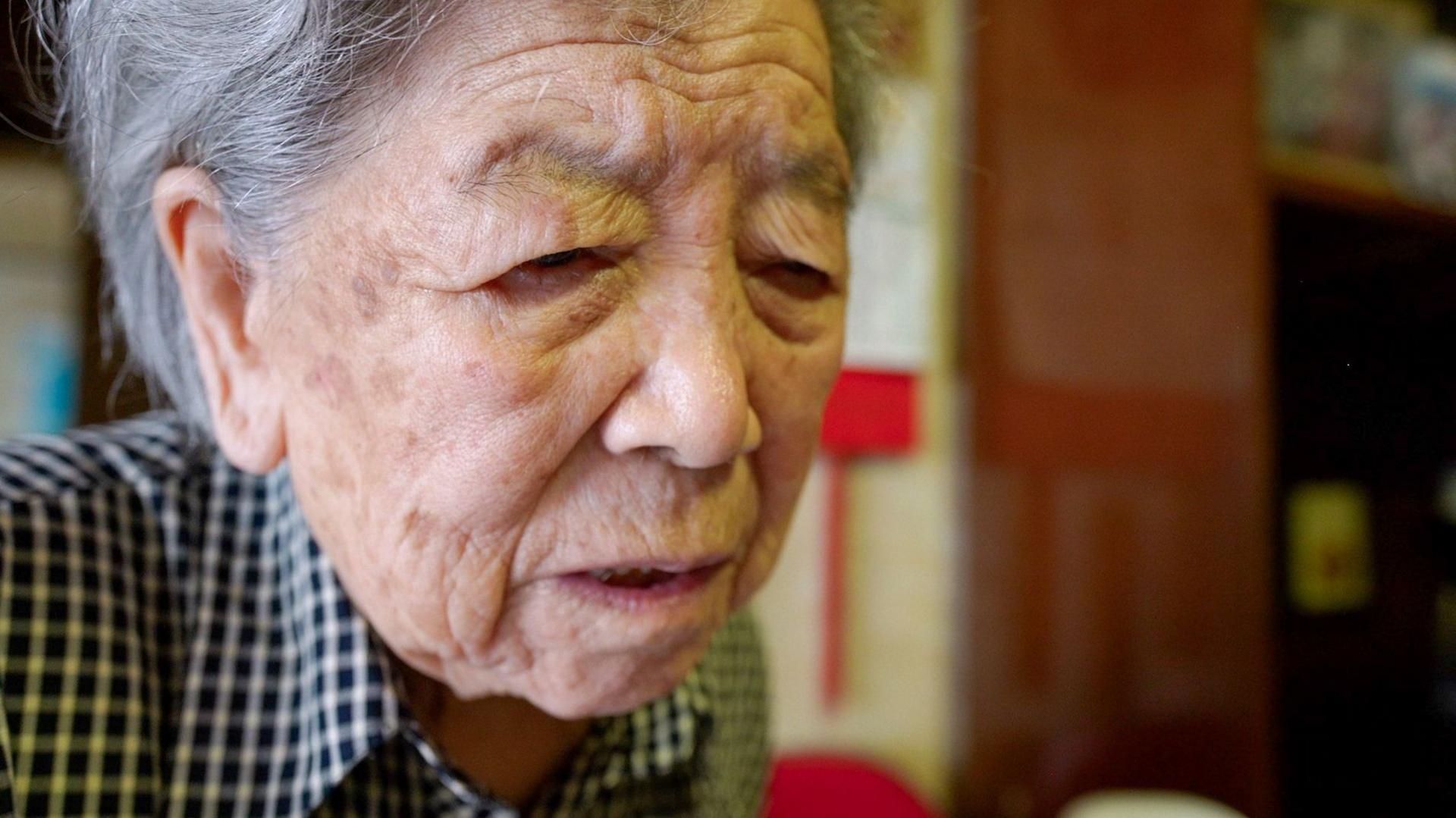
Loneliness has quietly become the new epidemic sweeping through China’s fast‑growing cities. In the quiet outskirts of Beijing, 91‑year‑old Yang grew so isolated after her husband died that she even entertained the idea of voluntary euthanasia. She told her son that if the practice ever became legal she would want to do it, saying she simply could no longer endure the loneliness.
Yang’s plight is not unique. Rural migrants and young professionals often leave behind tight‑knit support networks in search of better jobs, and many find city life ineteracting. The result has spurred a growing “loneliness industry” offering paid companionship and practical help.
Yingwei’s small team visits twice a day, bringing hot meals and fixing routine household problems. He explains, “We see ourselves as community children. It means putting ourselves in the shoes of older people and carefully considering their needs.” Their services cost less than half a typical caregiver’s fee, and Yang has been thanks to Yingwei not only for fixing her broken air‑conditioner but also for offering a reliable human connection when she feels most in need.
Yingwei, a former mobile‑phone salesman who started the business after seeing his father‑in‑law placed in a sub‑standard nursing home, wants to help seniors stay at home for as long as possible. He now employs four people and is confident he could expand further as demand rises. Analysts estimate the sector is worth approximately $7.4 billion in 2025 and counts as a rapidly increasing part of China’s modern economy.
The industry is not limited to domestic help. 23‑year‑old Liu Yanyan acts as a “medical escort,” guiding clients through the intimidating maze of Beijing hospitals. “People hire me because they feel awkward asking colleagues to accompany them, but my presence eases the anxiety of needing to navigate medical bureaucracy,” she says.
Human connection has become a commodity in an age of loneliness that spans generations. Teresa Kuan, an associate professor at the Chinese University of Hong Kong, says that “paying for companionship is not an unequal relationship – it has clear expectations and predictable pros and cons.” The trend mirrors newer ventures such as Wang Zhoutao’s hiking business, which offers emotional support while guiding clients up China’s iconic Mount Huangshan.
For Yang, the visits have transformed her life. She now sees “one of the most comfortable moments in my life” when Yingwei fixes her home appliances and she can freely share her thoughts. “I was once battling profound loneliness, but that’s all resolved now. I’m happy. I can’t imagine losing Yingwei and the others, they have all got good hearts,” she says warmly.