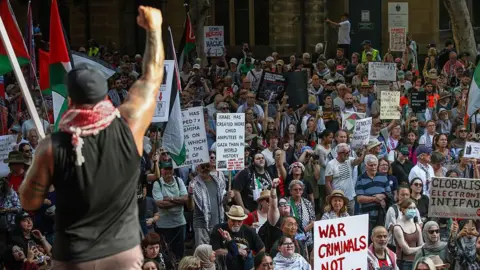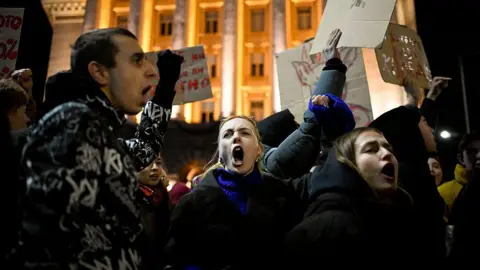
Bulgaria's government has announced the withdrawal of its controversial 2026 budget plan after tens of thousands participated in protests on Monday night in Sofia and other major cities. The demonstrators decried the draft budget as a mechanism that obscures widespread governmental corruption.
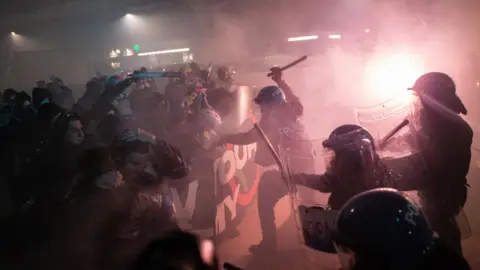
The protests turned violent when masked individuals attacked the offices of the ruling political parties, escalating tensions with the police amidst large gatherings in the capital.
In the wake of the unrest, the government stated it would discontinue the budget proposal that included tax hikes, which had previously sparked protests even before its submission to parliament.
Next year's budget will be the first delivered in euros as Bulgaria prepares to join the eurozone on January 1, raising public concerns over potential inflation in the already economically fragile country.
Frequent protests against government corruption have persisted in Bulgaria, particularly since 2020 when a series of short-lived governments emerged following a previous wave of demonstrations.
The rally in Sofia was reported to be among the largest of recent years, with protesters filling a significant square in front of parliament. Significant demonstrations also occurred in Plovdiv, Varna, and other cities.
Critics of the budget expressed their opposition to proposed increased social security contributions and taxes on dividends intended to finance higher spending, in addition to broader concerns about governmental corruption. Young protester Ventsislava Vasileva expressed the desire for Bulgaria to align more closely with European standards rather than living under a corrupt system.
In total, over 70 individuals were arrested following confrontations with law enforcement, according to local authorities.
Bulgarian President Rumen Radev condemned the violence and called for order, attributing it to provocations by corrupt influences. He reiterated the need for a shift in government leadership.
The current administration, led by Prime Minister Rosen Zhelyazkov, was formed following elections that left the Gerb party without a clear majority.
As a response to public opposition, the government has initiated a fresh budget discussion process post-protests, though opposition leaders insist more action is necessary than merely withdrawing the budget proposal.