In brief
Israel’s 2026 parliamentary election has produced no clear majority as vote counting progressed, with Benjamin Netanyahu’s right‑wing bloc projected at 53 seats and Arab parties slated to win a record 19 seats. Turnout hit 77.7%, the highest since 1999. The final tally is expected by Thursday, after which coalition negotiations will decide who will lead the new government.
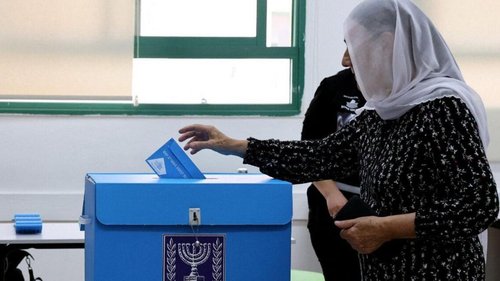
Israel’s 2026 parliamentary election has produced no clear majority as vote counting progressed, with voting taking place on Tuesday and preliminary results reported on Wednesday evening. According to United Press International, Netanyahu’s right‑wing bloc is projected to win 53 seats, while the Arab bloc is set to secure a record 19 seats.
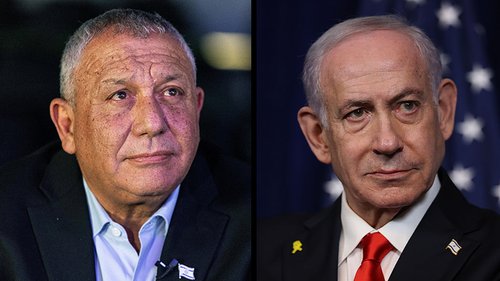
United Press International reports that the Likud party, Netanyahu’s core, is expected to capture 26 seats, the most of any single party, but this still falls short of the 61 needed to command a majority in the 120‑seat Knesset. The opposition bloc led by former military chief Gadi Eisenkot is projected at 48 seats.
Al Jazeera notes that the Arab‑dominated Ra’am and Joint List parties together hold 19 seats, a new high for Arab representation in the legislature, surpassing the previous record of 15 seats in 2020.
Turnout, which United Press International cites as 77.7%, is the highest percentage since 1999 and is among the most significant a‑partis. Al Jazeera adds that Palestinian citizen turnout was roughly 80%.
Gadi Eisenkot said on social media that the preliminary poll results indicated “complete distrust in Netanyahu and the government of Oct. 7…This is a victory for the statist‑Zionist majority in Israel.”
Netanyahu told supporters that his bloc held a decisive majority among the Jewish and Zionist public and called Likud “the largest party in Israel,” adding that they must “establish a strong, right‑wing, national government.”
Xinhua reports that Tel Aviv stocks fell sharply after the partial results, with the TA‑35 index down 1.81% and the TA‑90 index plunging 4.47%, as investors reacted to political uncertainty. The Israeli shekel weakened against the dollar, dropping 1.62% to 3.128 shekels per dollar.
Analysis from Xinhua’s Gad Lior suggests that the market backlash was driven by concerns that another Netanyahu‑led government might struggle with the high cost of living and a renewed war with Iran. Joseph Freiman, CEO of Prico, noted that the shekel’s earlier gains were reversed as Netanyahu’s bloc gradually took the lead during the count.
The final vote tally will be completed by Thursday, with official results expected to be published on 4 November. Until then, both Netanyahu’s and Eisenkot’s alliances remain short of a majority and will need external support—possibly from Arab parties—to form a government, leaving the political outcome uncertain.