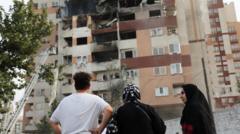
The recent exchange of airstrikes between Israel and Iran marks a significant escalation in hostilities between the two nations, sparking fears of broader regional conflict. As the world watches, calls for restraint grow louder at the United Nations and beyond. However, the unresolved issues paint a concerning picture of what might unfold if tensions escalate further, leading to several worst-case scenarios.
**US Involvement and Regional Dynamics**
Despite denials from Washington, Iran perceives American military support for Israel’s actions, raising the specter of potential attacks on US personnel stationed throughout the Middle East. Targets could include military bases in the Gulf and special forces camps in Iraq. Iran's proxy groups, such as Hamas and Hezbollah, may be weakened, but its militias in Iraq remain active and could contribute to retaliatory actions. As US tensions rise, a U.S. citizen casualty in the conflict might compel severe military responses, presenting a dilemma for US leadership amid calls for intervention. Any significant US military commitment would herald a profound escalation in the ongoing struggle.
**Potential Gulf Conflicts**
If Iranian retaliatory strikes fail to achieve their military objectives, Iran could redirect its missile attacks toward "softer" targets within the Gulf states, especially those believed to have aided Israel. The Gulf region is no stranger to conflict; past incidents, such as the 2019 strikes on Saudi oil fields, serve as reminders of Iran's reach. As regional tensions simmer, countries sympathetic to Israel may find themselves entangled in a wider conflict, prompting demands for US protection, worsening the military quagmire.
**Iran's Nuclear Future**
In a scenario where Israeli strikes fail to neutralize Iran’s nuclear capabilities, the repercussions could be dire. If Iranian facilities remain intact, it could incentivize the leadership to accelerate their nuclear program, potentially leading to an even more aggressive stance against Israel. The strategic calculus could shift dramatically, trapping both nations in a cycle of retaliatory strikes, known colloquially in Israel as "mowing the grass."
**Global Economic Implications**
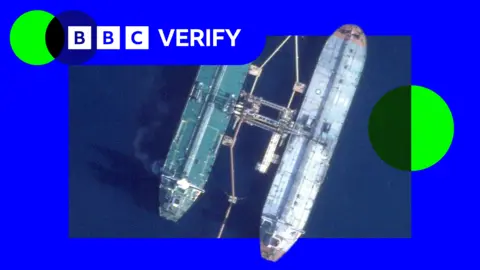
The conflict’s repercussions may not be confined to the Middle East. With oil prices already on the rise, any move by Iran to disrupt crucial shipping routes in the Strait of Hormuz would have a significant impact on global markets. Economies struggling with inflation may face additional strain, exacerbating the cost-of-living crisis worldwide. Moreover, any surge in oil prices could inadvertently benefit other global actors, including Russia, with far-reaching consequences.
**A Power Vacuum in Iran?**
Should Israel achieve its longstanding objective of undermining the Iranian regime, the aftermath could create a power vacuum fraught with risk. Netanyahu’s articulated goal of regime change raises questions about stability in the region. Should the Iranian government collapse, the potential for civil conflict looms large, recalling the upheaval seen in Iraq and Libya following the ousting of their governments.
As the situation unfolds, the key questions remain: how will Iran respond, and what role, if any, will the US play to temper Israeli actions? The answers to these queries will significantly shape the trajectory of events in the weeks and months to come.
**US Involvement and Regional Dynamics**
Despite denials from Washington, Iran perceives American military support for Israel’s actions, raising the specter of potential attacks on US personnel stationed throughout the Middle East. Targets could include military bases in the Gulf and special forces camps in Iraq. Iran's proxy groups, such as Hamas and Hezbollah, may be weakened, but its militias in Iraq remain active and could contribute to retaliatory actions. As US tensions rise, a U.S. citizen casualty in the conflict might compel severe military responses, presenting a dilemma for US leadership amid calls for intervention. Any significant US military commitment would herald a profound escalation in the ongoing struggle.
**Potential Gulf Conflicts**
If Iranian retaliatory strikes fail to achieve their military objectives, Iran could redirect its missile attacks toward "softer" targets within the Gulf states, especially those believed to have aided Israel. The Gulf region is no stranger to conflict; past incidents, such as the 2019 strikes on Saudi oil fields, serve as reminders of Iran's reach. As regional tensions simmer, countries sympathetic to Israel may find themselves entangled in a wider conflict, prompting demands for US protection, worsening the military quagmire.
**Iran's Nuclear Future**
In a scenario where Israeli strikes fail to neutralize Iran’s nuclear capabilities, the repercussions could be dire. If Iranian facilities remain intact, it could incentivize the leadership to accelerate their nuclear program, potentially leading to an even more aggressive stance against Israel. The strategic calculus could shift dramatically, trapping both nations in a cycle of retaliatory strikes, known colloquially in Israel as "mowing the grass."
**Global Economic Implications**
The conflict’s repercussions may not be confined to the Middle East. With oil prices already on the rise, any move by Iran to disrupt crucial shipping routes in the Strait of Hormuz would have a significant impact on global markets. Economies struggling with inflation may face additional strain, exacerbating the cost-of-living crisis worldwide. Moreover, any surge in oil prices could inadvertently benefit other global actors, including Russia, with far-reaching consequences.
**A Power Vacuum in Iran?**
Should Israel achieve its longstanding objective of undermining the Iranian regime, the aftermath could create a power vacuum fraught with risk. Netanyahu’s articulated goal of regime change raises questions about stability in the region. Should the Iranian government collapse, the potential for civil conflict looms large, recalling the upheaval seen in Iraq and Libya following the ousting of their governments.
As the situation unfolds, the key questions remain: how will Iran respond, and what role, if any, will the US play to temper Israeli actions? The answers to these queries will significantly shape the trajectory of events in the weeks and months to come.