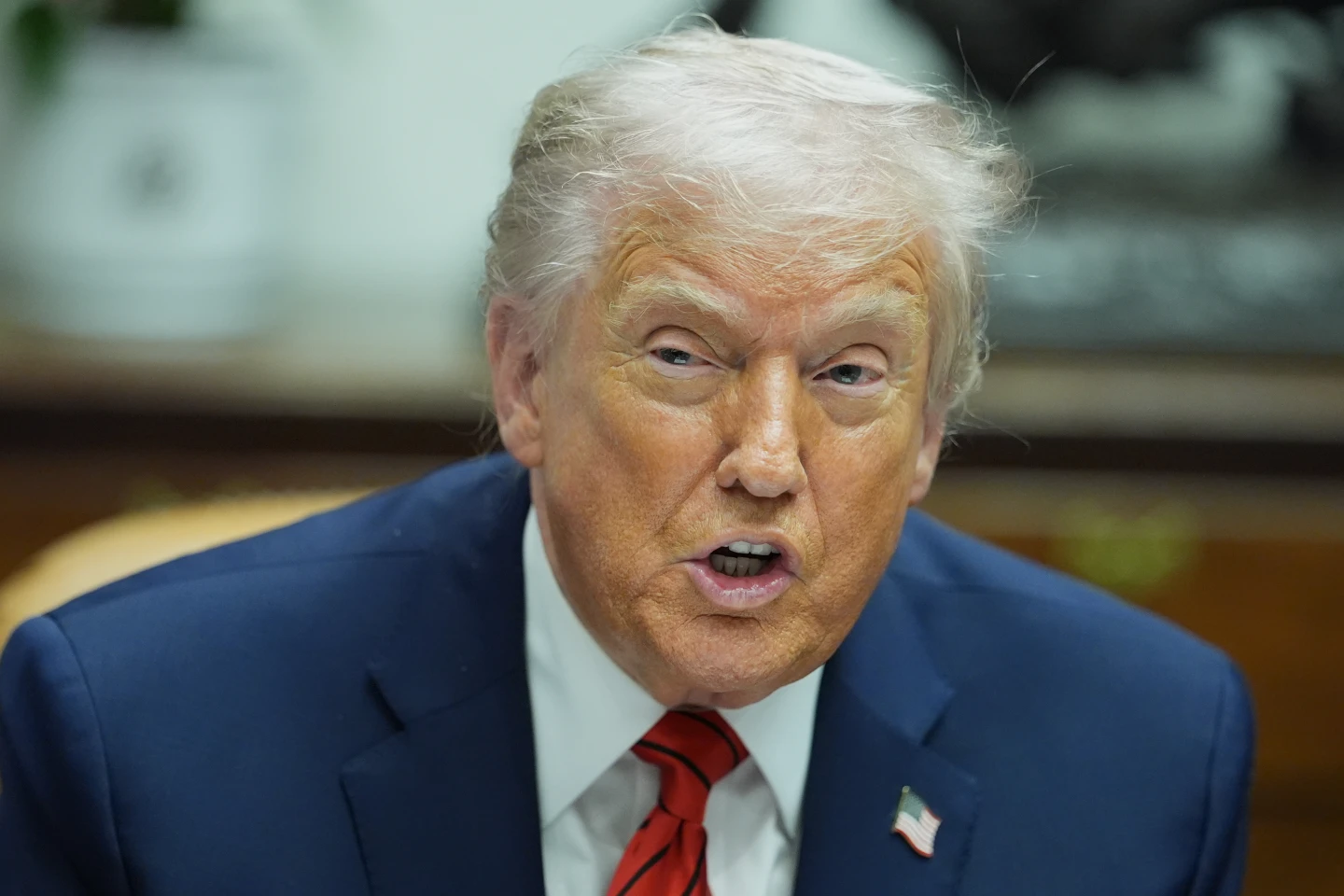
In an emerging diplomatic dispute, South Africa has publicly expressed its disapproval of the US government’s consideration to accept white Afrikaners as refugees. A document obtained by CBS outlined the situation as a "priority" for President Donald Trump's administration, although no official announcement has been made regarding the start date.
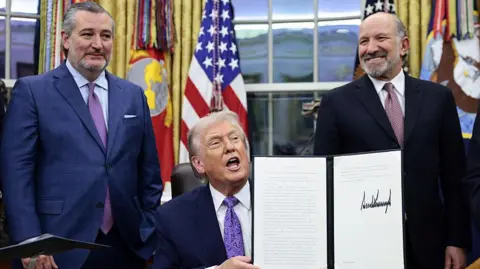
On Friday, a spokesperson from South Africa’s foreign ministry indicated the resettlement move as “politically motivated,” claiming it intends to destabilize the dynamics of South Africa's democracy. The controversy stems from President Trump labeling Afrikaners as victims of "racial discrimination" earlier in the year through an executive order, facilitating their potential relocation to the US.
South African officials confirmed they would not impede the emigration of those selected for the program but emphasized the need for guarantees that individuals undergoing the resettlement process have been thoroughly vetted without any outstanding criminal allegations.
Moreover, the South African government has maintained that claims of systemic discrimination against its white minority are unfounded, emphasizing that crime statistics do not indicate that any specific racial groups are disproportionately targeted in farm-related violence. Despite government denial, advocacy groups for white farmers argue that their communities face targeted violence due to their race.
The US State Department acknowledged ongoing interviews with individuals seeking resettlement, including Afrikaners facing alleged racial discrimination, but did not specify a timeline for the initiative. The Trump administration has also accused South Africa of confiscating land from white farmers without compensation, a claim that has been strongly refuted by Pretoria.
As tensions continue, South Africa and the United States may navigate a challenging diplomatic landscape influenced by these contrasting narratives and claims.
On Friday, a spokesperson from South Africa’s foreign ministry indicated the resettlement move as “politically motivated,” claiming it intends to destabilize the dynamics of South Africa's democracy. The controversy stems from President Trump labeling Afrikaners as victims of "racial discrimination" earlier in the year through an executive order, facilitating their potential relocation to the US.
South African officials confirmed they would not impede the emigration of those selected for the program but emphasized the need for guarantees that individuals undergoing the resettlement process have been thoroughly vetted without any outstanding criminal allegations.
Moreover, the South African government has maintained that claims of systemic discrimination against its white minority are unfounded, emphasizing that crime statistics do not indicate that any specific racial groups are disproportionately targeted in farm-related violence. Despite government denial, advocacy groups for white farmers argue that their communities face targeted violence due to their race.
The US State Department acknowledged ongoing interviews with individuals seeking resettlement, including Afrikaners facing alleged racial discrimination, but did not specify a timeline for the initiative. The Trump administration has also accused South Africa of confiscating land from white farmers without compensation, a claim that has been strongly refuted by Pretoria.
As tensions continue, South Africa and the United States may navigate a challenging diplomatic landscape influenced by these contrasting narratives and claims.