In brief
The article explores the chilling confessions of Edgar Matobato, a former hitman for the controversial Philippine leader Rodrigo Duterte, shedding light on the violent operations of a death squad and Matobato's ongoing efforts to expose the truth while living in hiding.
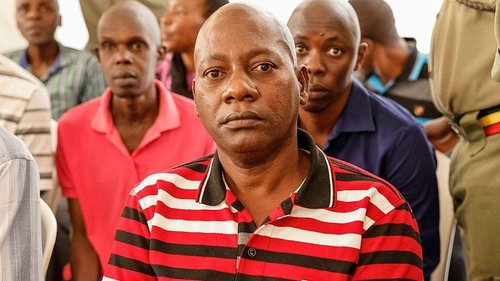
In a secluded church compound in the Philippines, Edgar Matobato, a man with a haunting past, has resurfaced to share his dark confessions. For nearly 24 years, Matobato claims he was a member of a notorious death squad in Davao City, executing orders from then-mayor Rodrigo Duterte, who later became president. His admissions are chilling; he describes a range of methods to carry out killings, from strangulation to precise shots fired from his trusted .45-caliber Colt M1911 pistol. Matobato expressed remorse, though he struggled to recall every life he extinguished, stating, “I am trying to remember, but I cannot remember everyone.” His confessions date back to a decade ago when he first divulged his criminal activities, which have kept him living in hiding ever since. The hitman's narrative paints a grim picture of the violence that swept the country, as Duterte's administration was characterized by its brutal war on drugs.As the rain poured down on Matobato's temporary refuge, he recounted grisly tales of murder—for him, a necessity of the job. He even boasted about an episode where he fed a man to a crocodile, a rare deviation from his usual methods. Despite the years of violence he participated in, Matobato expressed a sense of remorse, emphasizing, “I’m sorry,” a troubling admission from a man whose actions have devastated lives.Now, with the urge to testify and unveil the truth behind the orders for killings, Edgar Matobato still grapples with the ghosts of his past. His story pulls back the curtain on a brutal chapter in Philippine history and the personal costs that come with such a violent legacy. The world watches keenly as he navigates this dangerous path, weighing the effects his revelations could have on his life and the wider political landscape in the Philippines. Matobato’s account serves as a stark reminder of the ongoing struggles of justice in the island nation, where the boundaries between power and violence continue to blur under the shadows of its leaders.