MADISON, Wis. — As the 2026 elections approach, Wisconsin Democrats are brimming with optimism about the possibility of reclaiming control of the state legislature, a goal they hope to achieve through what they refer to as a 'trifecta.' Despite the political hurdles in recent years, the party is encouraged by fresh district boundaries ordered by the liberal-majority state Supreme Court, an open governor's race, and a potentially favorable midterm election cycle.
Democratic grassroots leaders believe that gaining total control of the Statehouse could have significant implications for state policies, allowing for expanded Medicaid, increased public school funding, and the restoration of collective bargaining rights for public workers. 'It's a difficult time in national politics,' stated Assembly Minority Leader Greta Neubauer, while expressing her hope for a new direction in Wisconsin following long-standing Republican dominance.
The term 'Cheesehead Revolution' marked a significant political shift in Wisconsin beginning in 2010, resulting in cost-cutting, tax reductions, and the restriction of labor union powers. The events notably positioned the state as a focal point for conservative politics in the 2010s.
In a potentially game-changing twist, Democratic candidates for governor are rallying behind the idea of achieving a blue trifecta. Mandela Barnes, a former lieutenant governor and recent U.S. Senate candidate, underscored this aspiration in a fundraising message, pushing for a shift towards Democratic leadership in state governance. Current Lt. Gov. Sara Rodriguez joined the chorus, invoking excitement for the upcoming race.
The battle for the governorship this November marks an unprecedented open contest since Tony Evers opted not to run for a third term, providing Democrats a prime opportunity to establish a steady presence in state leadership. However, competitive Republican candidates, such as U.S. Rep. Tom Tiffany, remain vigilant, boasting substantial fundraising efforts in preparation for the election.
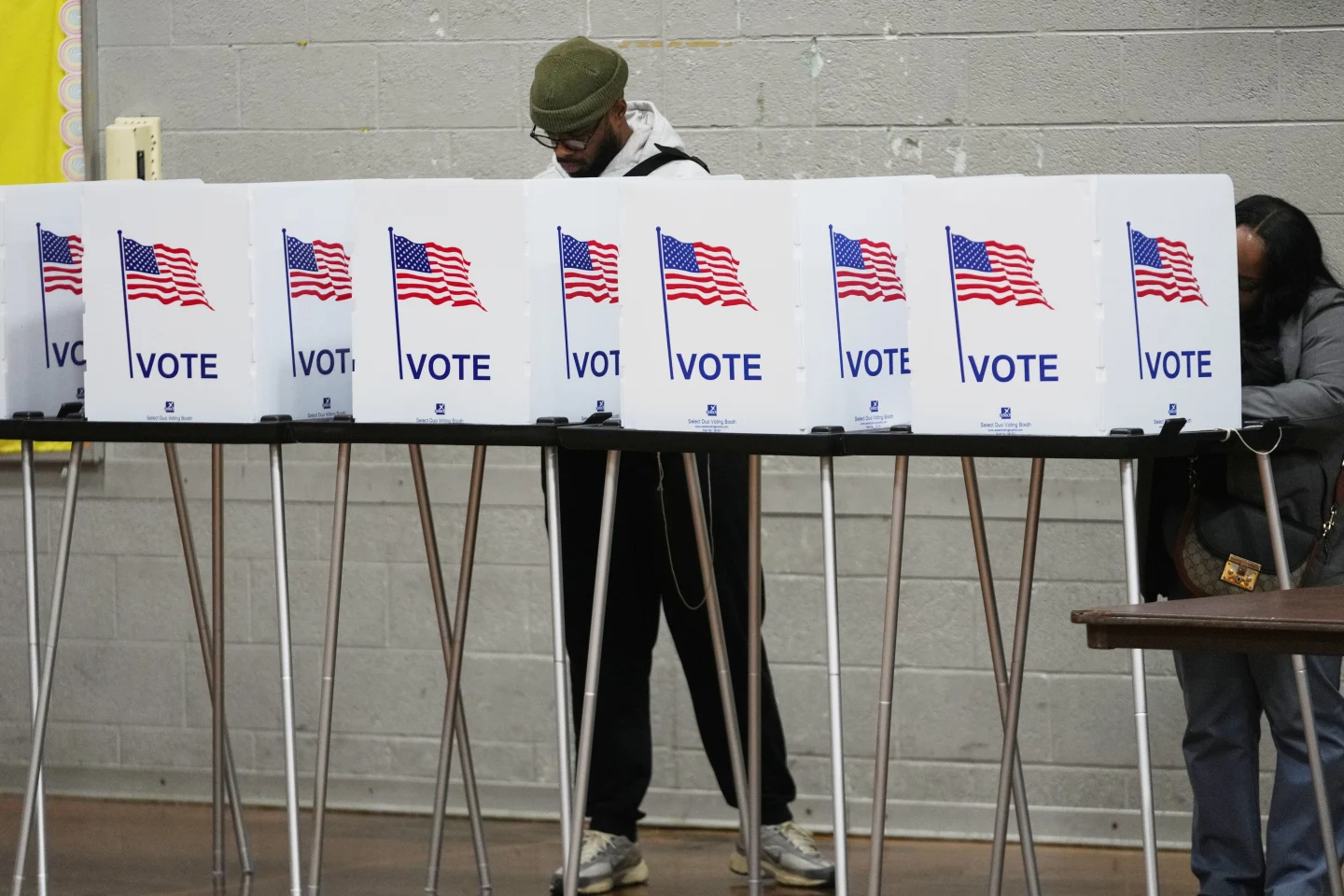
As the electoral landscape evolves, Democrats are also looking to flip crucial legislative seats with new district lines. They require a net gain of two seats in the Senate and five in the Assembly to secure a majority. While Republican leadership remains confident, emphasizing the challenges Democrats face by focusing on anti-Trump sentiments, Democrats are urged to present substantive policies to engage voters effectively.
The outcome of the 2026 elections could be pivotal not only for Wisconsin's governance but also for the national political landscape, particularly with the implications of the 2028 presidential race looming.
Democratic grassroots leaders believe that gaining total control of the Statehouse could have significant implications for state policies, allowing for expanded Medicaid, increased public school funding, and the restoration of collective bargaining rights for public workers. 'It's a difficult time in national politics,' stated Assembly Minority Leader Greta Neubauer, while expressing her hope for a new direction in Wisconsin following long-standing Republican dominance.
The term 'Cheesehead Revolution' marked a significant political shift in Wisconsin beginning in 2010, resulting in cost-cutting, tax reductions, and the restriction of labor union powers. The events notably positioned the state as a focal point for conservative politics in the 2010s.
In a potentially game-changing twist, Democratic candidates for governor are rallying behind the idea of achieving a blue trifecta. Mandela Barnes, a former lieutenant governor and recent U.S. Senate candidate, underscored this aspiration in a fundraising message, pushing for a shift towards Democratic leadership in state governance. Current Lt. Gov. Sara Rodriguez joined the chorus, invoking excitement for the upcoming race.
The battle for the governorship this November marks an unprecedented open contest since Tony Evers opted not to run for a third term, providing Democrats a prime opportunity to establish a steady presence in state leadership. However, competitive Republican candidates, such as U.S. Rep. Tom Tiffany, remain vigilant, boasting substantial fundraising efforts in preparation for the election.
As the electoral landscape evolves, Democrats are also looking to flip crucial legislative seats with new district lines. They require a net gain of two seats in the Senate and five in the Assembly to secure a majority. While Republican leadership remains confident, emphasizing the challenges Democrats face by focusing on anti-Trump sentiments, Democrats are urged to present substantive policies to engage voters effectively.
The outcome of the 2026 elections could be pivotal not only for Wisconsin's governance but also for the national political landscape, particularly with the implications of the 2028 presidential race looming.