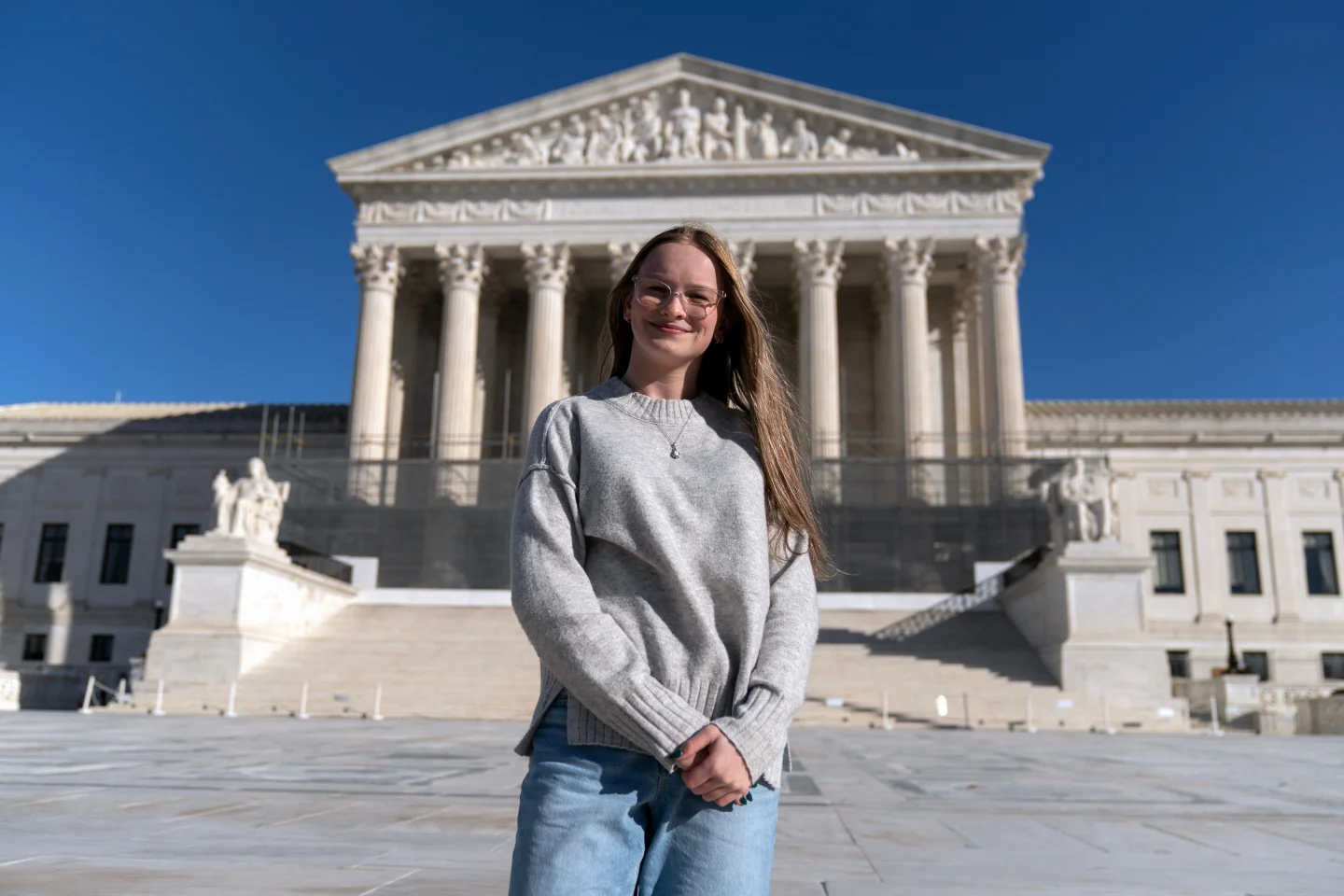
WASHINGTON (AP) — The Supreme Court is hearing arguments regarding state laws restricting transgender girls and women from participating in school athletic teams.
Lower courts have sided with transgender athletes in challenges brought in Idaho and West Virginia against these bans; however, with a conservative majority, the Supreme Court may not share the same view.
In the past year, the Court has previously ruled in favor of state restrictions on gender-affirming care for transgender youth and permitted numerous restrictions targeting transgender individuals.
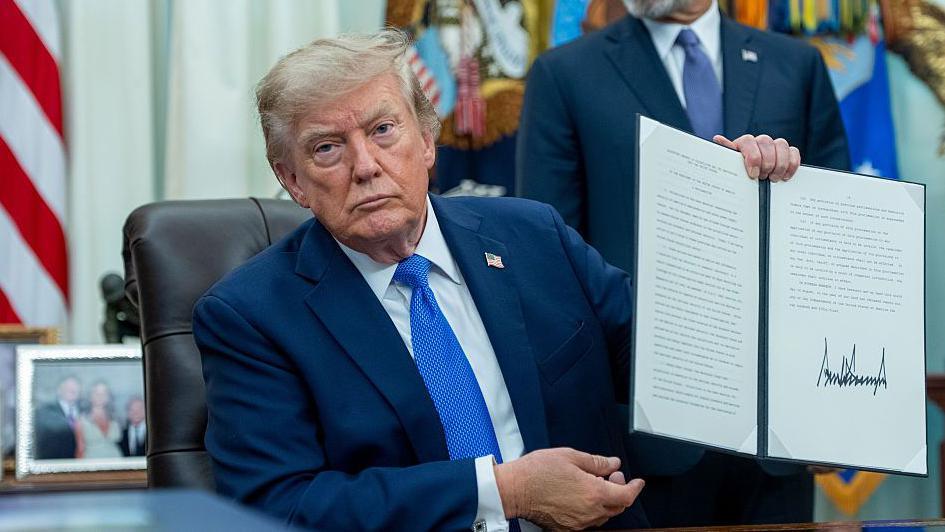
This legal contention arises as part of a larger campaign fueled by former President Donald Trump to marginalize transgender individuals since his second term commenced, which includes barring transgender individuals from the military and affirming the belief that gender is assigned at birth.
These contentious cases from Idaho and West Virginia are among the first outputs in a broader initiative by Republican-led states to limit transgender women's participation in female sports.
The justices are tasked with balancing claims of sex discrimination from transgender individuals against arguments for fairness in women's athletics, as articulated by state proponents of the bans.
Among the plaintiffs is Lindsay Hecox, 25, who challenged Idaho’s pioneering ban to try out for the women’s track and cross-country teams at Boise State University, although she did not make either team. Another is 15-year-old Becky Pepper-Jackson from West Virginia, who has been identified as a girl since age 8 and has achieved significant success in her first year of high school athletics.
Notable figures within the sports community have expressed divided opinions on these issues, with some athletes, including tennis legend Martina Navratilova and soccer stars Megan Rapinoe and Becky Sauerbrunn, weighing in on both sides of the argument.
The Supreme Court is expected to rule on whether these bans infringe upon the Constitution or violate Title IX, which prohibits sex discrimination in educational settings. Despite a previous ruling protecting LGBTQ rights in the workplace, it remains to be seen how the Court will apply this precedent to school sports.
As public opinion generally favors measures restricting transgender youth to teams corresponding to their biological sex, a decision from the Court is anticipated by early summer, which could have far-reaching implications.