
In brief
With a slim majority in the House, Republicans face challenges as they approach the 2026 elections. Donald Trump is attempting to prevent a repeat of past midterm losses by advocating for redistricting that favors conservative candidates. Critics, including Democrats, raise alarms about potential military actions and voter suppression tactics. As both parties gear up for a contentious election cycle, the impact on American democracy could be significant with ongoing discussions about election integrity and safeguards for voter rights.
As the 2026 elections loom, Republicans, led by former President Trump, are strategizing to maintain control of the House of Representatives. With a narrow majority, historical trends suggest they could lose seats during midterm elections, prompting Trump to take decisive action.
Trump, who faced impeachment following a Democratic takeover of the House during his first term, is proactively reshaping congressional maps across the nation in hopes of creating a more favorable landscape for Republicans. However, his tactics have raised significant concerns among Democrats and critics who accuse him of manipulating the electoral process.
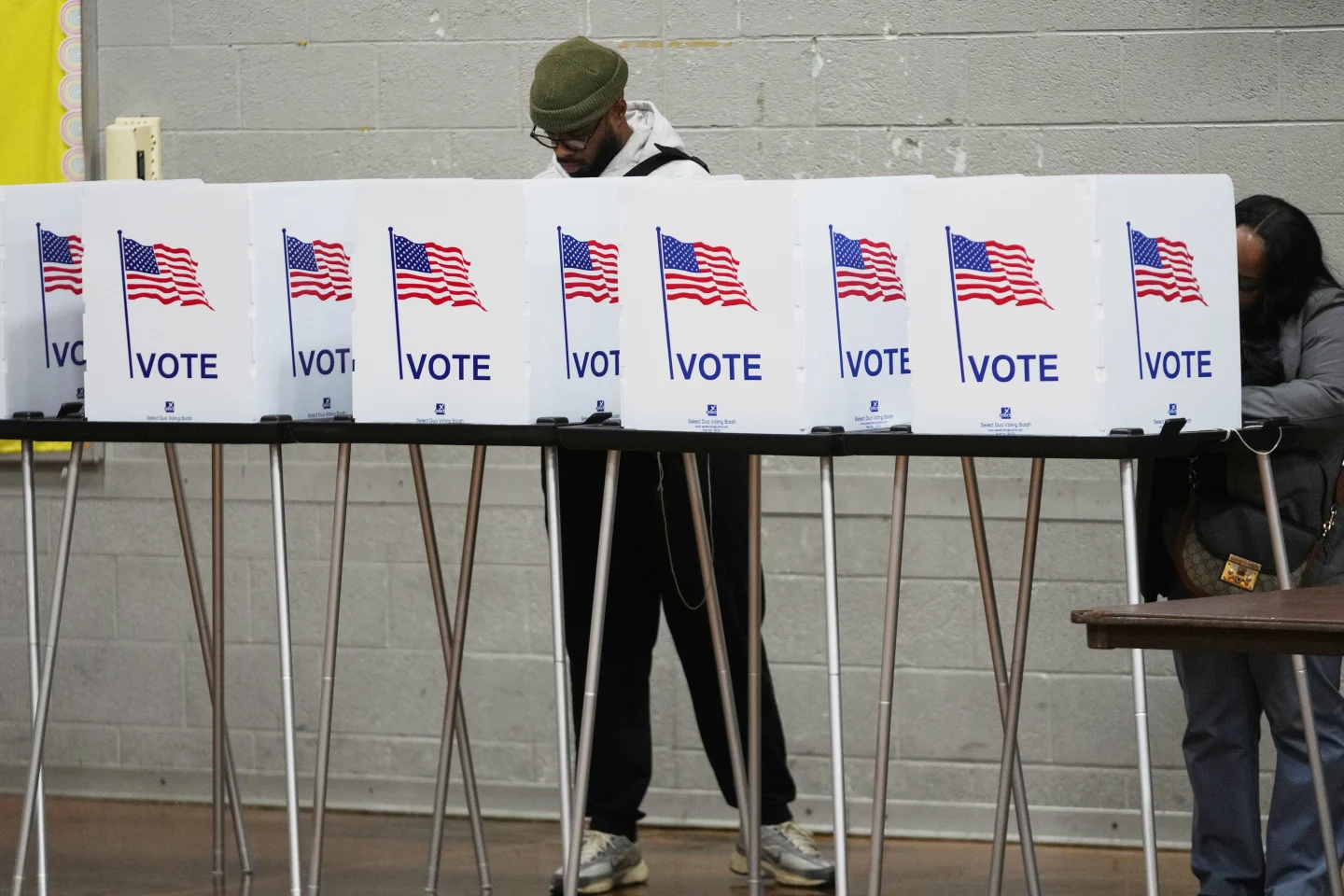
The former President's efforts include targeting Democratic politicians and activists, as well as potentially deploying the military in urban areas to influence voter turnout. This strategy has sparked fears of intimidation at polling stations, with Democrats warning that such moves could suppress voter participation.
Ken Martin, the Democratic National Committee chairman, voiced concerns that military presence could instill fear among voters, discouraging them from casting ballots on Election Day. Such allegations evoke memories of Trump’s previous attempts to cling to power after the 2020 election results.
While Democrats express their apprehensions, Trump’s supporters assert that claims of voter intimidation are baseless and politically charged. White House representatives have dismissed the accusations as fearmongering, emphasizing that no formal plans exist to deploy federal agents at polling places.
The midterms are expected to be contentious, with both parties preparing robust campaigns around voter access and election integrity. As seen in November’s elections, the involvement of federal monitors created alarm but failed to manifest into any major incidents of disruption. Nonetheless, concerns over Trump’s influence and the GOP’s intentions remain prevalent.
Experts caution that Trump could use misinformation to undermine confidence in the electoral process or potentially exploit vulnerabilities in states aligned with Republican leadership. While the president's capability to intervene in elections is constitutionally limited, some actions could still pose challenges for fair voting.
With tensions high, voting rights advocates are prioritizing preparedness ahead of the midterms. A focus on 'voter protection' by Democrats contrasts with Republican efforts aimed at ensuring 'election integrity'. As both sides mobilize, the 2026 election cycle promises to be a significant chapter in the ongoing battle over voting rights and the integrity of American democracy.

