In brief
The Lake Guardian, an EPA research vessel, explores the depths of Lake Ontario, uncovering shipwrecks while using cutting-edge underwater drones to create detailed 3D models of the vessels that once navigated these waters.
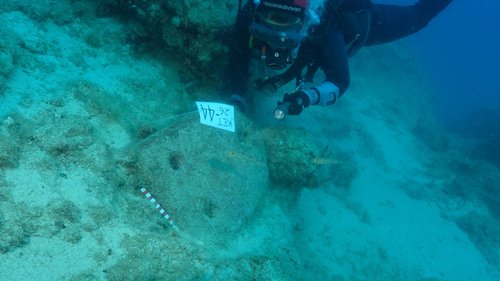
Last week, the Lake Guardian embarked from Oswego, N.Y., on a journey into the maritime history of the Great Lakes. This research vessel, operated by the Environmental Protection Agency, is conducting an extensive exploration within the Lake Ontario National Marine Sanctuary, a vast area of 1,722 square miles traversing from New York's shoreline to the border with Canada. Hidden beneath the clear, cold waters of the lake lie 63 sunken ships, remnants of 19th-century endeavors that met their fate amidst the tempestuous nature of the Great Lakes.The mission, led by maritime archaeologists affiliated with NOAA's Ocean Exploration Cooperative Institute alongside students from the University of Rhode Island, seeks to construct detailed three-dimensional computer models of the wrecked vessels, focusing on around a dozen initial targets. Their work is being bolstered by Rhody, a state-of-the-art remotely operated vehicle equipped with a high-definition camera that captures stunning imagery essential for their digital recreations. During a recent livestreamed segment, researchers expressed their astonishment at the discoveries being made, emphasizing the rich opportunities for further exploration.Benjamin Ioset, a maritime archaeologist with NOAA and a native of central New York, highlighted the expedition's potential to uncover significant insights into the region's industrial past. His lifelong passion for the waters was evident during a visit from local high school students, who shared the same awe in discovering the hidden stories beneath Lake Ontario. Often, shipwrecks are relegated to tales of distant oceans, but the current research initiative is proving that this beloved local lake is steeped in its own captivating maritime narrative waiting to be told.