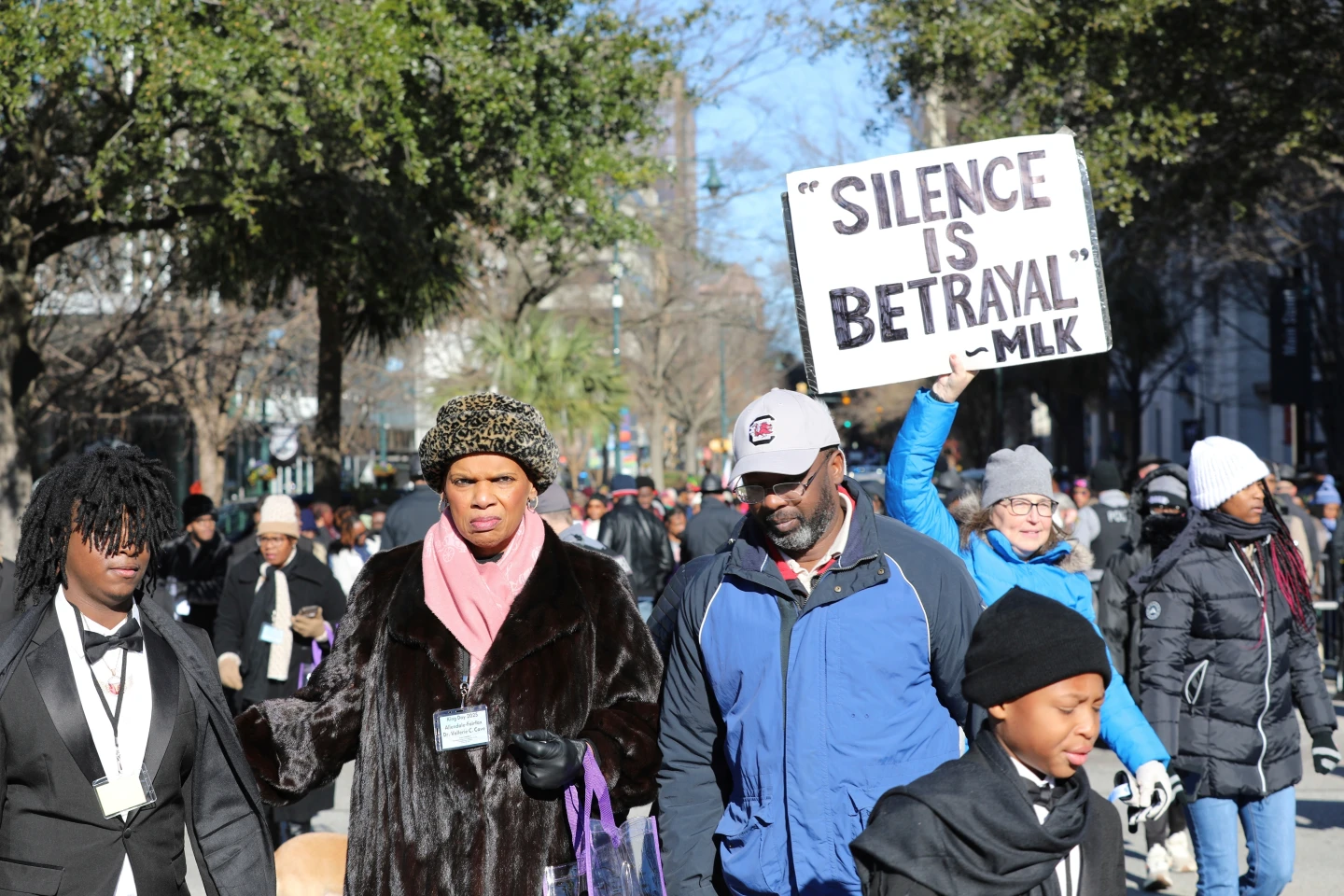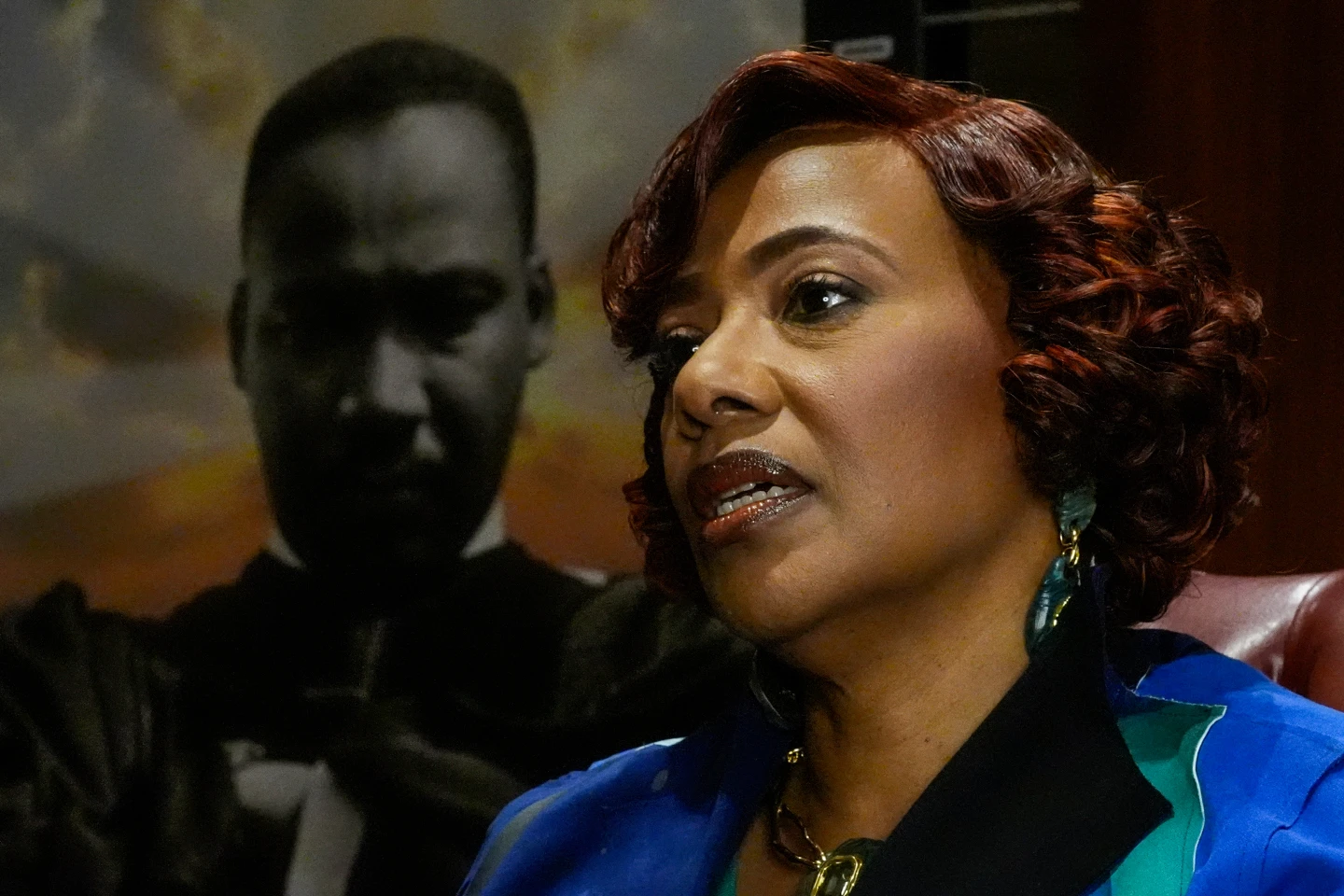
The aspirations cut a wide swath through American history since 1776 — from the “All men are created equal” of the Declaration of Independence to the motto E Pluribus Unum, translating to “out of many, one.” This ideal is echoed in the very name of the nation, connecting a diverse populace through shared values and aspirations.
As the United States approaches its 250th anniversary, the question remains: how has the notion of unity evolved over the past two and a half centuries? It is a challenge that every society faces—defining who belongs and who does not, who is included and who is marginalized.
The Beginning of Unity
From the nation’s inception, the founders emphasized the importance of unity. “It is of infinite moment that you should properly estimate the immense value of your national union,” stated George Washington. This foresight illuminated a path toward a government grounded in the consent of the governed, though the limits of inclusion were evident from the start.
Even as high ideals were proclaimed, the reality of who was afforded rights and who lived under limitations often diverged. The nation’s narrative has always been about balancing these contradictions—defining unity amidst diversity.
Aspiration Versus Reality
Throughout America’s history, unity has been challenged by the stark realities of inclusion and exclusion. Issues of race, economic disparity, and cultural differences have shaped what it means to belong. As Daniel Immerwahr points out, America’s history showcases intricate dynamics between those inside the social fabric and those held outside. From the enslavement of Africans to the ongoing marginalization of indigenous populations and others, the fabric of America remains complex and often contradictory.
What Could Unity Look Like?
As debates intensify in today’s polarized climate, understanding unity poses essential questions: Does true unity require uniformity? Or can it encompass diversity in perspectives? In a nation built on principles rather than lineage, these questions underscore the essence of America’s identity. The very challenge of maintaining unity while allowing for diverse voices and experiences is a continuing conversation that shapes the United States' fabric.
A look back through history, and the ongoing dialogue surrounding unity today, reveals that the quest for togetherness still reflects the nation's early days, demonstrating that true unity is a journey filled with both triumphs and challenges.