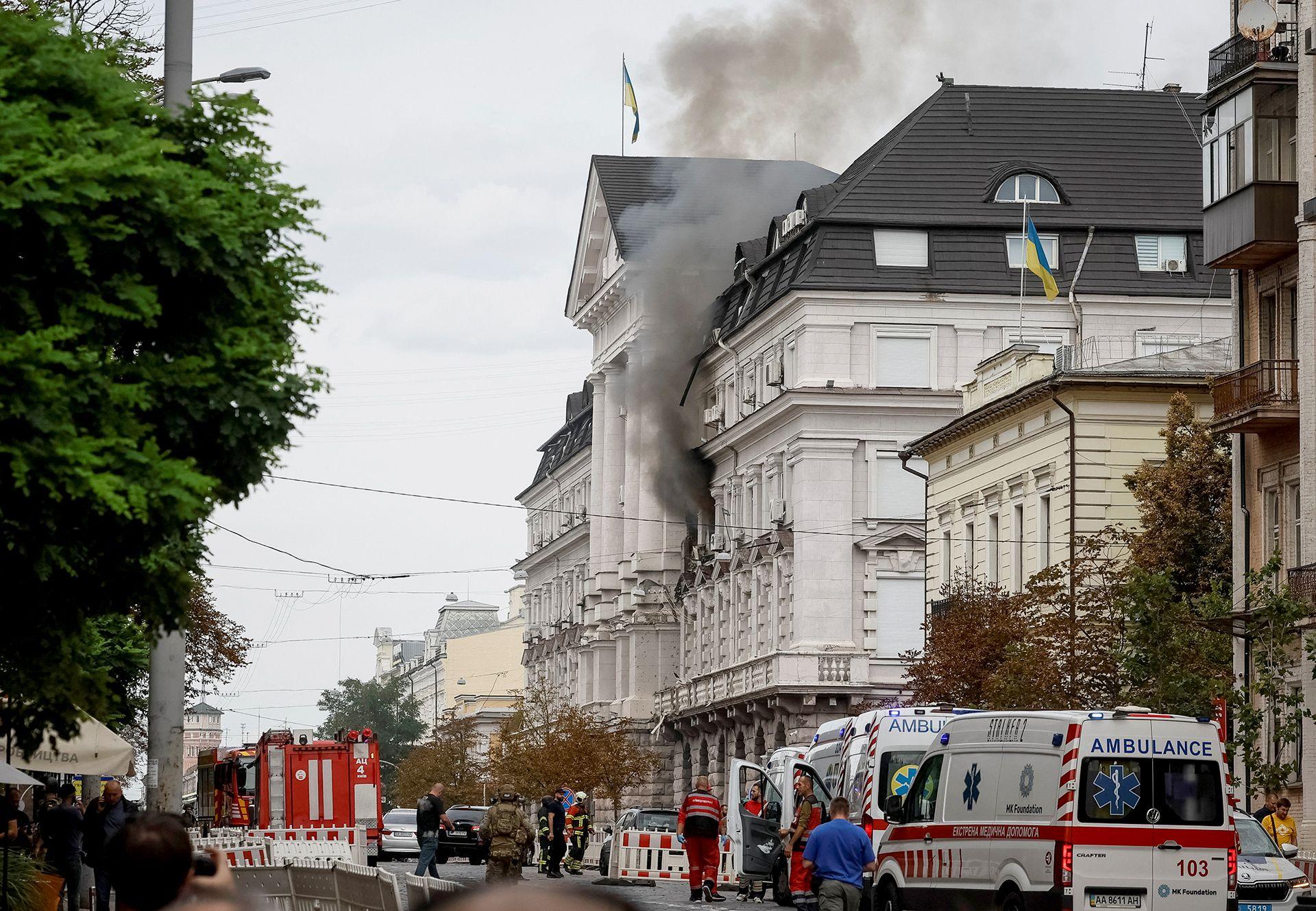
A senior officer of Ukraine’s military intelligence agency, Vladyslav Reut, stood before a Kyiv courthouse Thursday to testify in a custody hearing that he had no part in the murder of Anastasia Berezovska, a woman linked to a suspected parcel‑bomb attack that exploded in Monaco the week before her death. Reut, 34, had previously confessed to shooting Berezovska after investigators pointed to his and fellow suspect Vitalii Zhykovych—formerly a secretary‑general of Ukraine’s Security Service—using her phone and bank records. Now he claims he was a victim of intimidation and shifts the blame entirely onto Zhykovych.
Reut’s account says that on a road to Kyiv, Zhykovych loaded a handgun and demanded he shoot Berezovska to protect them both. According to the GUR officer, Zhykovych then shot her himself, buried the body in a forested grave, and disposed of the weapon and her belongings in a lake. “I would never intentionally murder an innocent civilian woman,” Reut asserts, insisting his motive was to defend his country against enemy combatants.
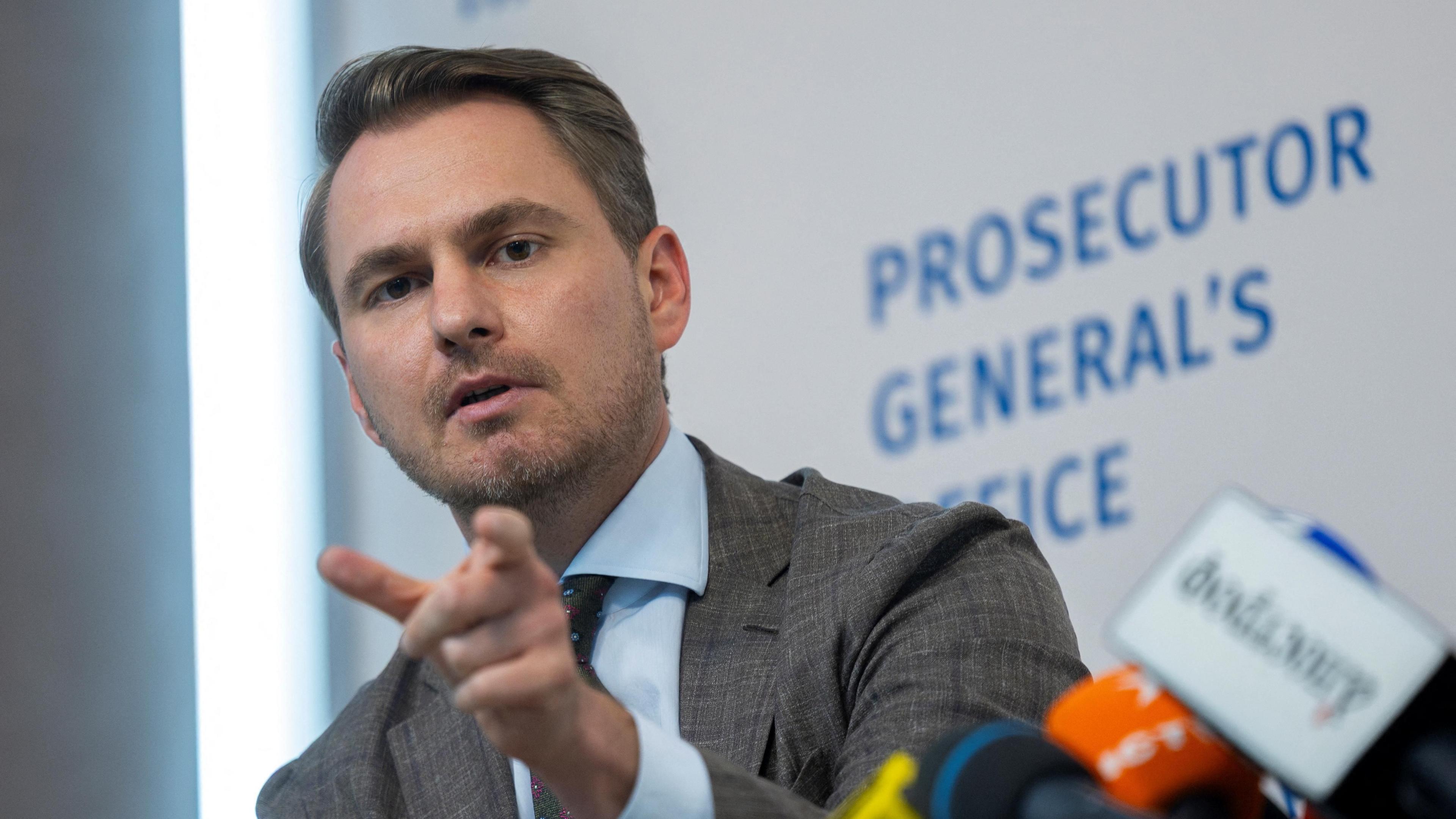
The prosecutors, led by Dmytro Tkachuk, describe the act as a pre‑meditated murder carried out in “jointly and in a coordinated fashion.” They are probing whether the murder was a cover-up for the Monaco bombing or part of a larger espionage effort. In court, Zhykovych’s lawyer suggested a possible Russian trail, noting that Ukrainian intelligence agents have been recruited by Moscow in the past.
Provisional information from the suspects’ testimonies has not been released, as preliminary details might impede the investigation. Meanwhile, the Ukrainian president announced that additional relevant reports would be shared in the coming days. Both Reut and Zhykovych were denied bail and remain in custody while authorities continue to examine the evidence.
The case, built on conflicting narratives of guilt and coercion, remains a stark reminder of the precarious nature of intelligence work in a war‑torn region. As investigators delve deeper, Kyiv’s legal system is under international scrutiny, awaiting clarity about whether the murder was a ruthless act of political vengeance or a fabricated crime tied to the Monaco bombing.