In brief
Operation Vivaldi, Ukraine’s latest counter‑offensive, has pushed Russian forces back 277 square kilometres in the Donbas, liberating dozens of settlements. Starlink, the satellite network allowing live battlefield video, has proved crucial for Ukrainian drones and command centres. However, U.S. authorities unexpectedly tightened limits on the system, raising concerns over continued electronic advantage. Ukrainian soldiers cite the move as a major morale boost, while critics warn that the restriction could unravel weeks of progress. The blend of drones, robots and high‑speed communications continues to shift the balance in a war that feels all too familiar.
Ukraine’s push on the eastern front line has gained new momentum with the help of a high‑speed satellite network.
In a campaign called Operation Vivaldi, Ukrainian forces have freed 277 square kilometres around the key city of Lyman. The advance has pressed Russian soldiers back three months after a gruelling series of repositioning marches.
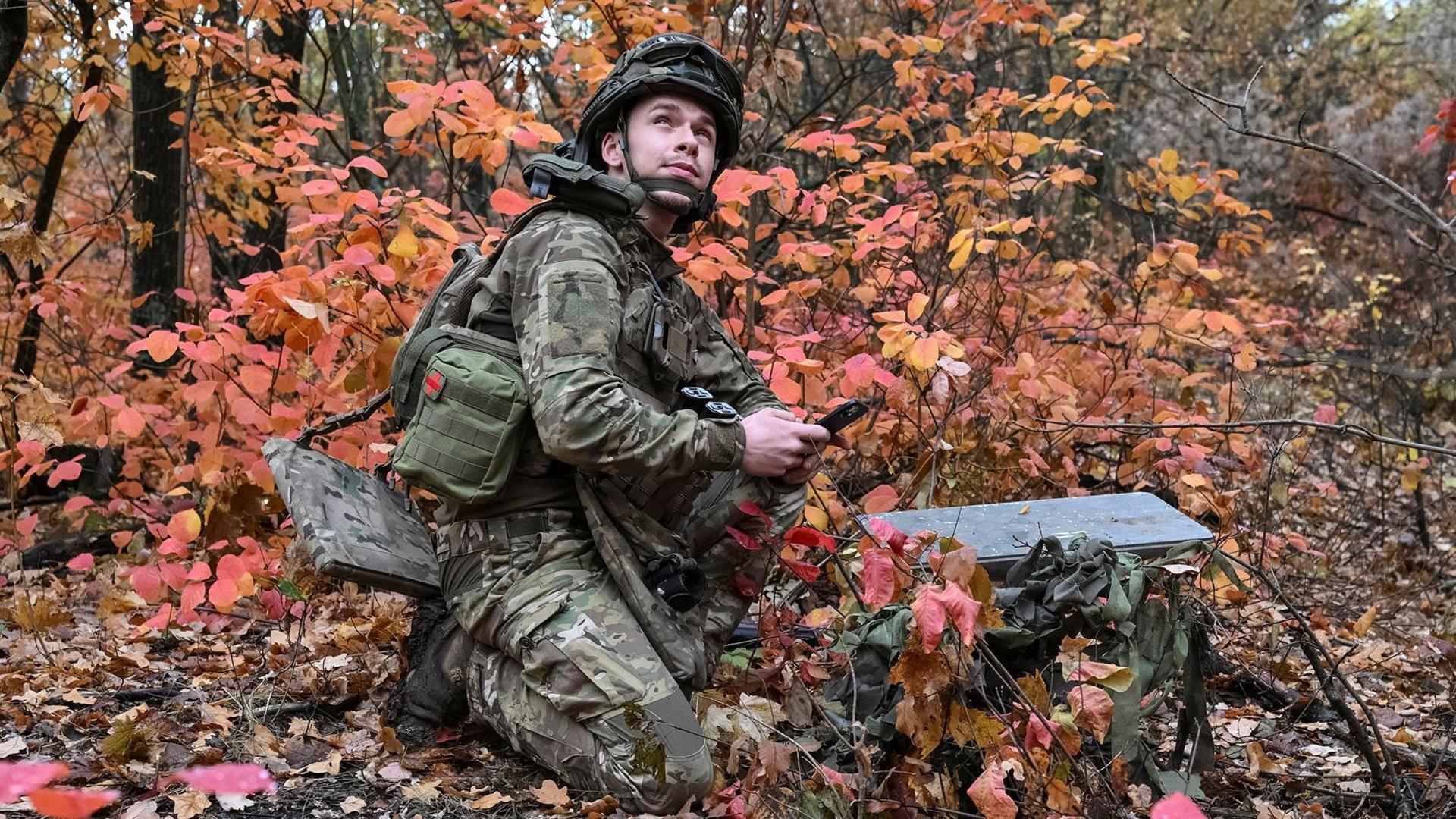
Control of the battlefield now rests heavily on a satellite service developed by Elon Musk. The Starlink system provides a live feed that commanders use to direct unmanned aircraft and drones over hostile ground. When a Russian scouting drone crosses the screen, a Ukrainian attack drone can drop a net and eliminate the threat in seconds.
That instant decision‑making is only possible because every observer on the front has real‑time data. The network also keeps soldiers connected to command posts, allowing them to give orders from kilometres away.
Yesterday, Kyiv announced that the U.S. had imposed unforeseen restrictions on Starlink, trimming the bandwidth available to the Ukrainian army. The order appeared to arrive without warning, forcing a scramble to re‑allocate resources.
Officials say they still can operate, but the limits could slow the pace of operations and weaken the ability to counter Russian drones. Analysts warn that if the cut becomes permanent, the advantage created by the satellite system may fade.
Despite the uncertainty, morale remains high among soldiers. Many credit the technology with saving lives and turning the tide against a well‑armed foe.
Reports from the front show that automated rovers are now ferrying supplies and evacuating wounded troops. Every step forward is a reminder that the battlefield lives on the thin line between old‑school trench warfare and the digital age.
The conflict continues to test the limits of technology and strategy. As the U.S. re‑examines its support, Ukraine braces to maintain the thrust that has seen significant gains this month.