In brief
In a landmark referendum, more than two‑thirds of Albertans voted to stay in Canada, delivering a significant political boost to Prime Minister Mark Carney. Carney’s message of unity – echoed across the province’s “Forever Canadian” banners – has strengthened his standing amid a trade war with the United States. Alberta’s rich oil and mineral wealth, and plans for a new Pacific pipeline, position the province as a key lever in Canada’s economic diversification strategy. The vote, juxtaposed with President Trump’s northern rally, underscored the stakes of national unity and international trade dynamics.
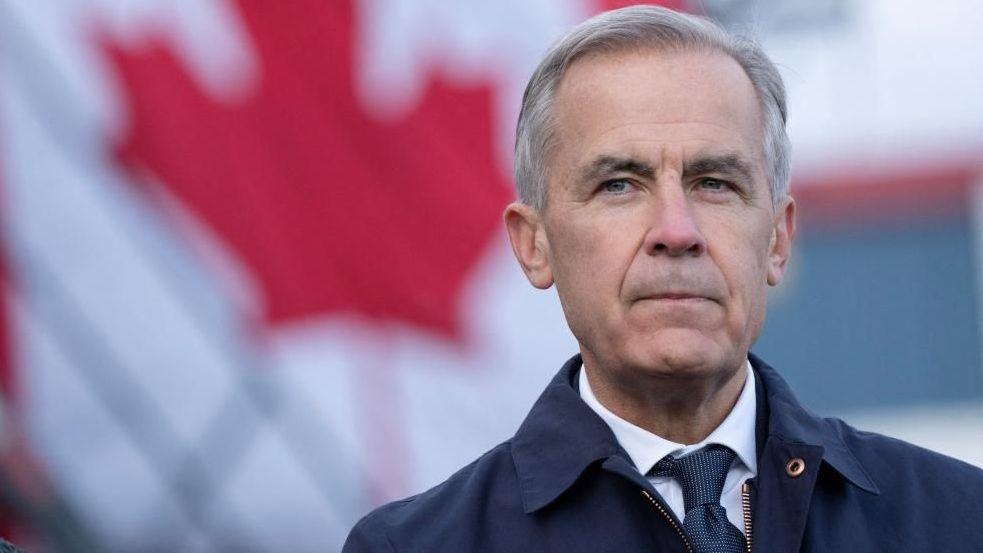
“Vote like Canada depends on it,” Prime Minister Mark Carney declared to cheering crowds in Calgary last week on a stage emblazoned with bright red and white “Forever Canadian” banners.
That rallying cry appeared to resonate with voters, as preliminary results show more than two‑thirds of Alberta voters said they want to remain part of Canada. Yet the province still holds the country’s future, thanks to its vast oil reserves and mineral wealth that fuel Ottawa’s strategy to diversify trade, strengthen the economy, and forge new alliances beyond North America.
Carney, the former central banker who grew up in Alberta and is now the country’s builder‑in‑chief, played the referendum perfectly. With a single statement after the seat‑of‑the‑protege, he underscored that Alberta’s choice of unity would “build together and take care of each other.”
The overwhelming “yes” vote has also reinforced Carney’s political foundation. He has already warned that “there are some outside our borders who are working to break us, so they own us” – clues to an international threat, without naming the country.
At the same time, former lawmaker Thomas Lukaszuk, who led the Forever Canadian campaign, warned that the vote will send a very strong message to the rest of the world, especially to the United States. “Don’t mess with Canada,” he told supporters in Edmonton.
While most foreign governments are not interested in Canadian domestic politics, the referendum highlighted Alberta’s economic blueprint: a proposed pipeline to the Pacific coast designed to reduce dependence on the U.S. and open up Asian markets for Canadian oil.
The referendum results coincide with President Trump’s own campaign talks in Kansas, where he promised to preserve “ice hockey” and the “O Canada” anthem, only to add “we’re only kidding.” For Canadians, that dismissal lands hard.
Carney’s response has been to hold swift foreign policy actions, including cancelling trade talks with the U.S., bolstering his image as a defender of Canadian sovereignty. Meanwhile, the proposed Pacific pipeline stands as a symbol of Alberta’s economic self‑determination and the province’s role in Canada’s future energy strategy.
The referendum’s outcome, coupled with Carney’s assertive stance, signals that Canadian unity remains in strong shape. However, the longer‑term challenge lies in sustaining that unity once Trump’s influence fades and new international dynamics emerge.
For now, the entire nation can celebrate the “yes” vote that underscores Canada’s resilience and unity.