US sanctions more Cuban companies and officials.
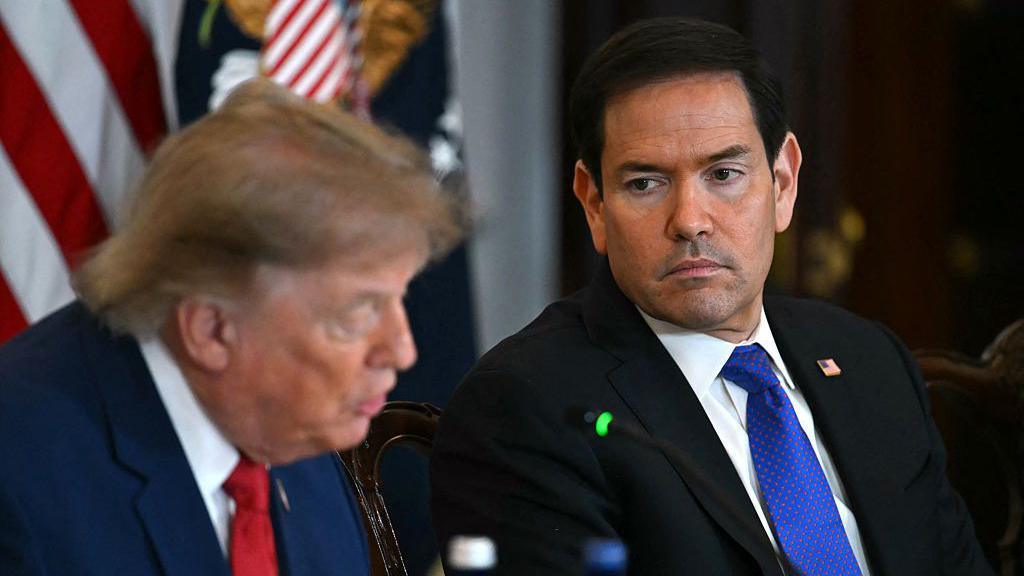
The State Department rolled out a new tranche of economic sanctions targeting nine state‑owned mining, metal and construction firms, the Ministry of Construction, and officials linked to the Cuban Institute of Friendship with the Peoples (ICAP). In the announcement, Secretary of State Marco Rubio said these figures were key to “ferrying a new brigade of international sympathizers to Havana to network with regime officials,” a move the United States said would coincide with Fidel Castro’s 100th anniversary.
Rubio called the sanctioned officials part of a regime that “exports Marxism, racial resentment, and Communist violence across the world” and warned that the United States would not tolerate the Cuban government’s attempts to fund repression or pursue “subversive anti‑American activities.”
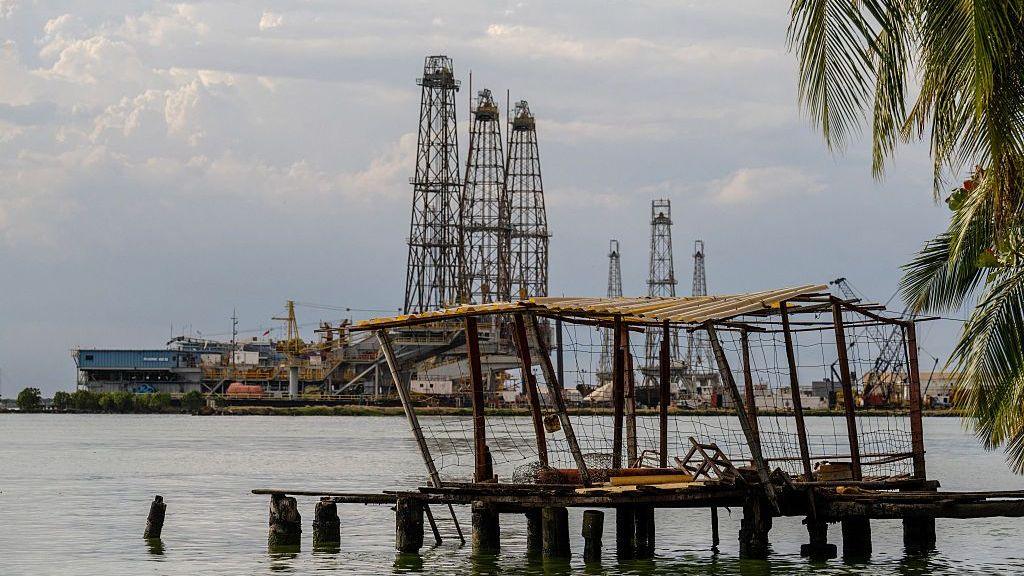
Cuban Foreign Minister Bruno Rodríguez criticized the sanctions as punitive and said they would further harm the island’s economy, which is already struggling under a U.S.–imposed oil blockade that has caused dramatical power cuts. He warned that the sanctions would impede the government’s ability to guarantee basic services for the population.
Recent fuel shortages have forced Cuban hospitals to run emergency generators, while the country’s aging electricity infrastructure, over‑reliant on imported fuel, has been unable to meet even a third of current demand. Continuous power failures have sparked rare protests, a rare occurrence in a country where dissent is usually met by long prison sentences.
Experts note that the sanctions intensify pressure on the Cuban economy, already hit by a collapse in tourism and escalating political tensions surrounding international anti‑Cuba sentiment.