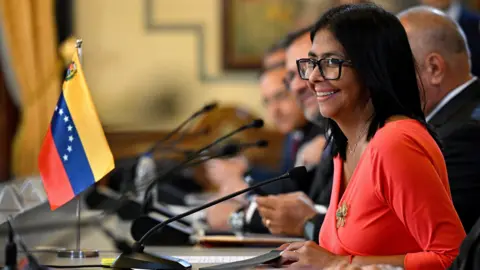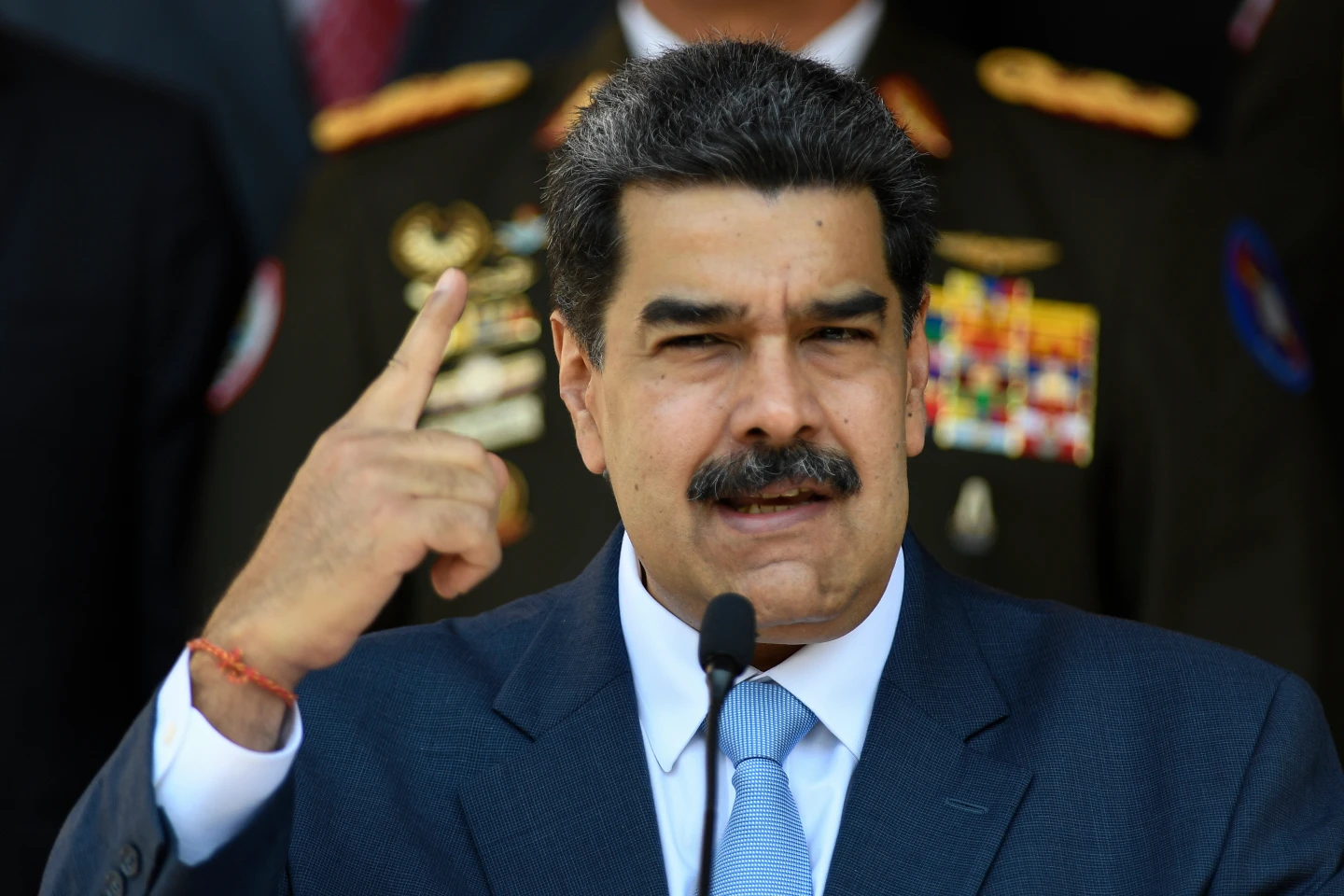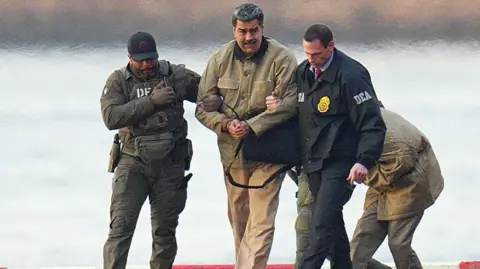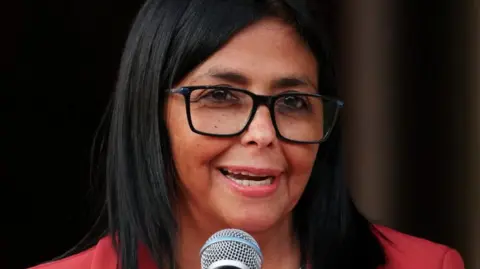
The United States has lifted sanctions on Venezuela's interim president, Delcy Rodríguez. The move comes less than three months after US forces seized the country's previous leader, Nicolás Maduro, and his wife in a military raid in Caracas and took them to New York to face drug trafficking charges. Rodríguez, a close ally of Maduro who served as his vice-president, had been placed on the sanctions list in 2018, with the US accusing her of undermining democracy.
She was sworn in as interim president by Venezuela's National Assembly, which is dominated by Maduro loyalists, days after the US raid and has been described by Trump as a terrific person. Rodríguez welcomed her removal from the Specially Designated Nationals (SDN) List, which blocked her assets in the US and prohibited US nationals from doing business with her.
In a post on X, Rodríguez called it a significant step in the right direction to normalise and strengthen relations between our countries. White House spokeswoman Anna Kelly stated that the move showcased progress towards stability and economic recovery in Venezuela.
Critics, including opposition activists in Caracas, have expressed dissatisfaction with the decision, arguing that the US should push Rodríguez to release political prisoners still held in Venezuelan jails. Despite attempts by the National Assembly to pass amnesty laws, rights groups claim almost 500 political prisoners remain incarcerated.
This lifting of sanctions is viewed as a sign of improving relations between the US and Rodríguez's administration. Recently, the US reopened its embassy in Caracas, enhancing diplomatic ties. Critics, however, highlight that discussions regarding democratic elections in Venezuela have been scarce, raising concerns about the political future of the nation.”
She was sworn in as interim president by Venezuela's National Assembly, which is dominated by Maduro loyalists, days after the US raid and has been described by Trump as a terrific person. Rodríguez welcomed her removal from the Specially Designated Nationals (SDN) List, which blocked her assets in the US and prohibited US nationals from doing business with her.
In a post on X, Rodríguez called it a significant step in the right direction to normalise and strengthen relations between our countries. White House spokeswoman Anna Kelly stated that the move showcased progress towards stability and economic recovery in Venezuela.
Critics, including opposition activists in Caracas, have expressed dissatisfaction with the decision, arguing that the US should push Rodríguez to release political prisoners still held in Venezuelan jails. Despite attempts by the National Assembly to pass amnesty laws, rights groups claim almost 500 political prisoners remain incarcerated.
This lifting of sanctions is viewed as a sign of improving relations between the US and Rodríguez's administration. Recently, the US reopened its embassy in Caracas, enhancing diplomatic ties. Critics, however, highlight that discussions regarding democratic elections in Venezuela have been scarce, raising concerns about the political future of the nation.”