The bombshell announcement
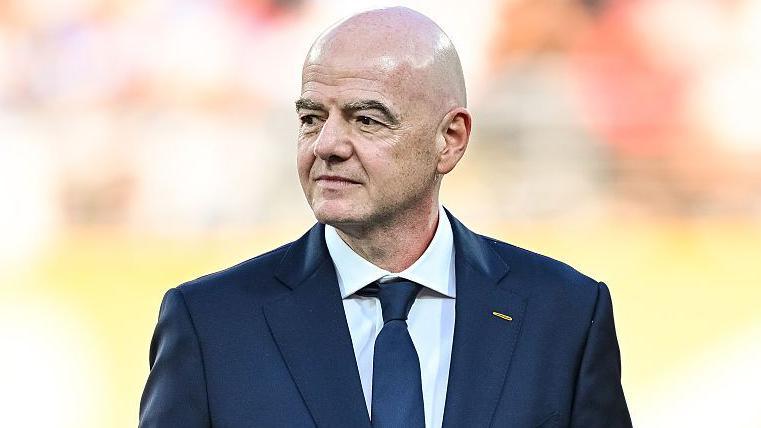
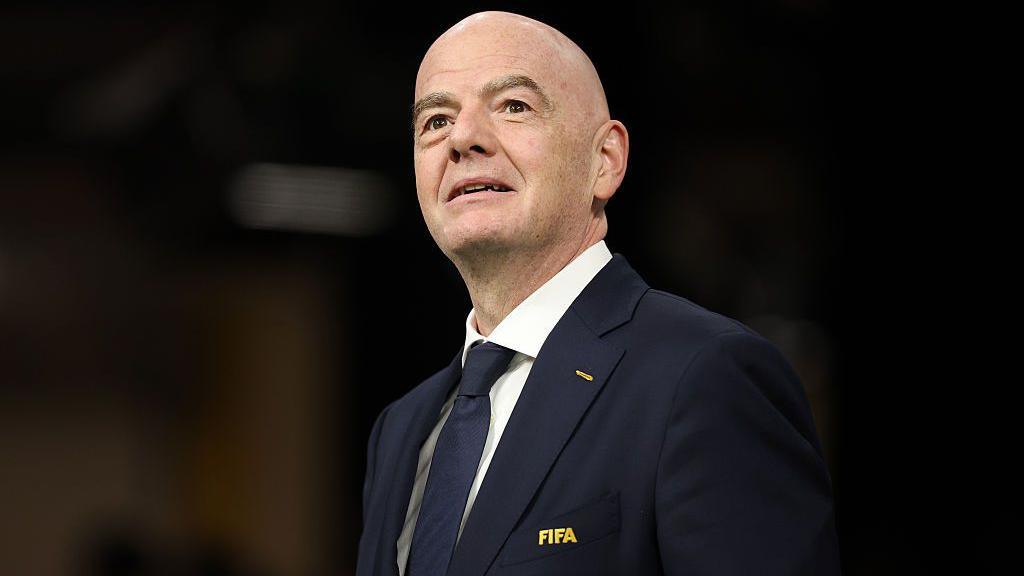
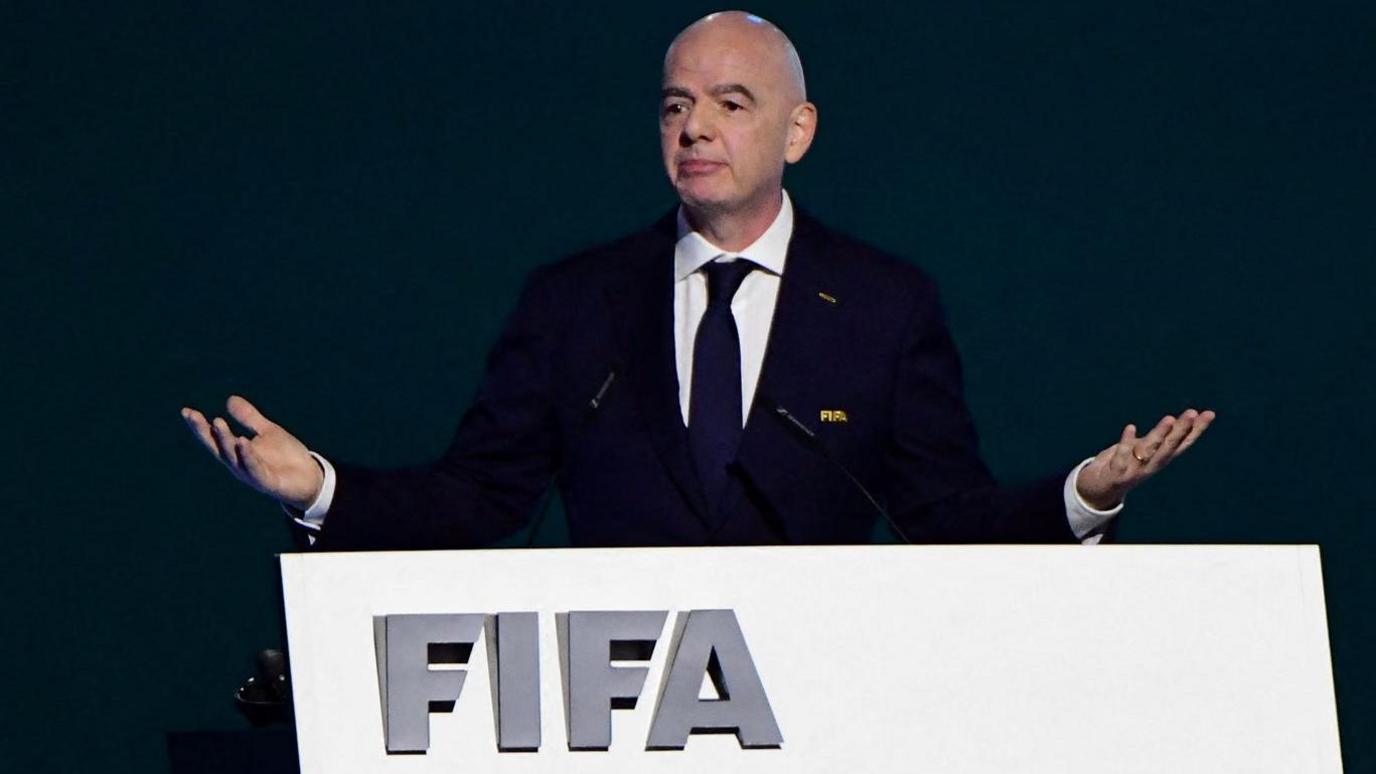
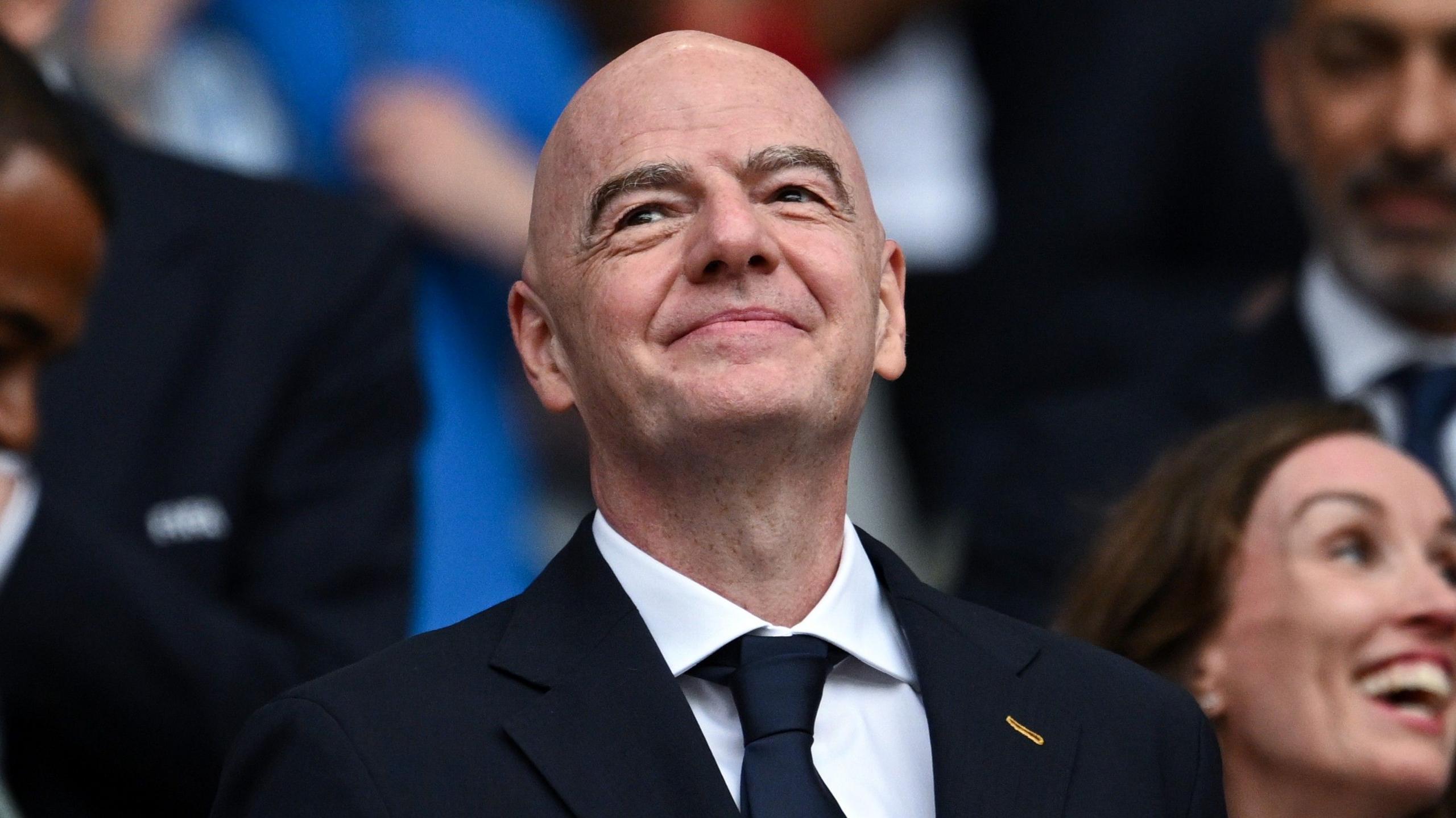
16:00 BST on Thursday, 30 July saw FIFA unveil a plan to sell a 20% stake in a new subsidiary that would run all FIFA competitions, including the World Cup. Infantino said the company would be partly funded by private investors, notably Joshua Kushner, linked to former US President Donald Trump.
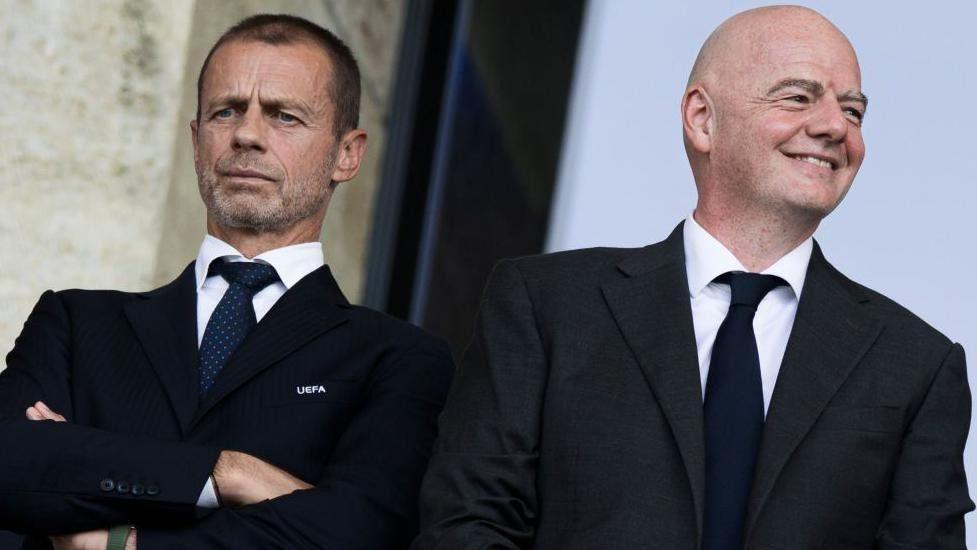
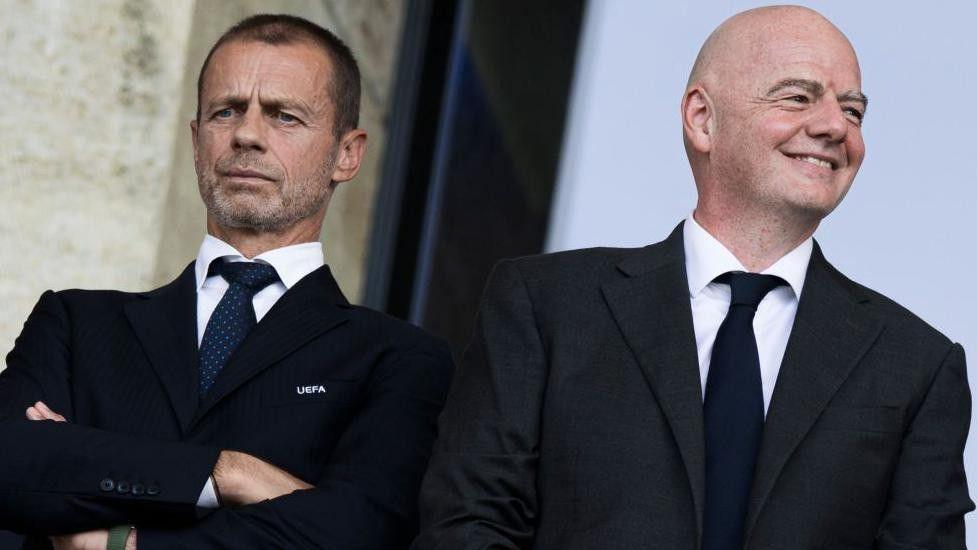
The proposal was met with an immediate and unforgiving response from UEFA, the continental governing body. In a bold statement, it declared that “UEFA and its national associations will not participate in FIFA competitions” if the deal is approved.
What could be the fallout?
Potential boycott is now on the table. UEFA’s threat could be triggered once FIFA’s proposal is accepted, with member nations withdrawing from upcoming events such as the U20 Women’s World Cup on 5 September and the senior World Cup play‑offs in October. This would cause a split in every top tier FIFA event.
Concacaf leaders have echoed the criticism, and several national associations have formally rejected the plan. Football Association chair Debbie Hewitt and Scottish FA president Mike Mulraney both sided with UEFA, warning that the proposal is a “friends deal” and not acceptable.
Can Infantino survive?
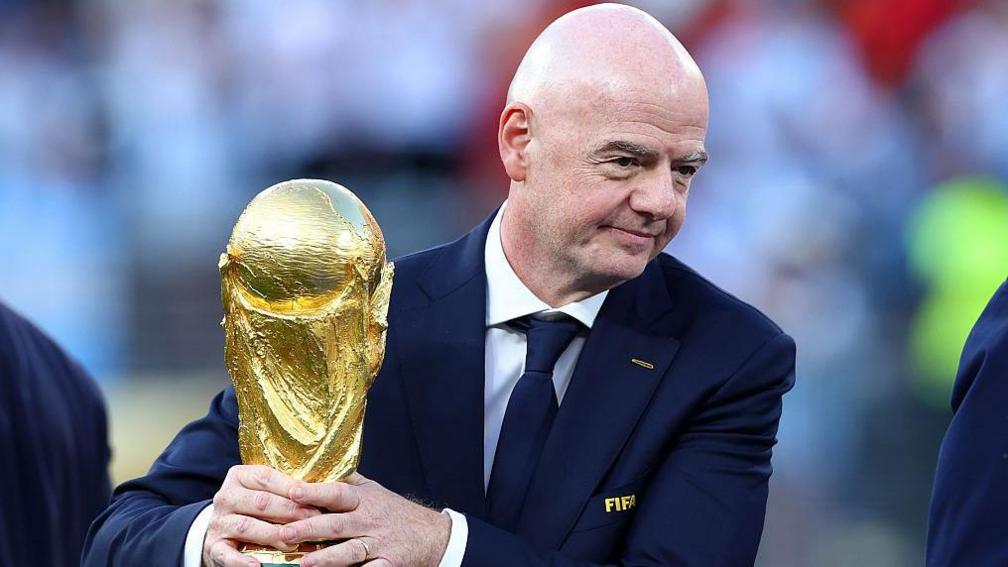
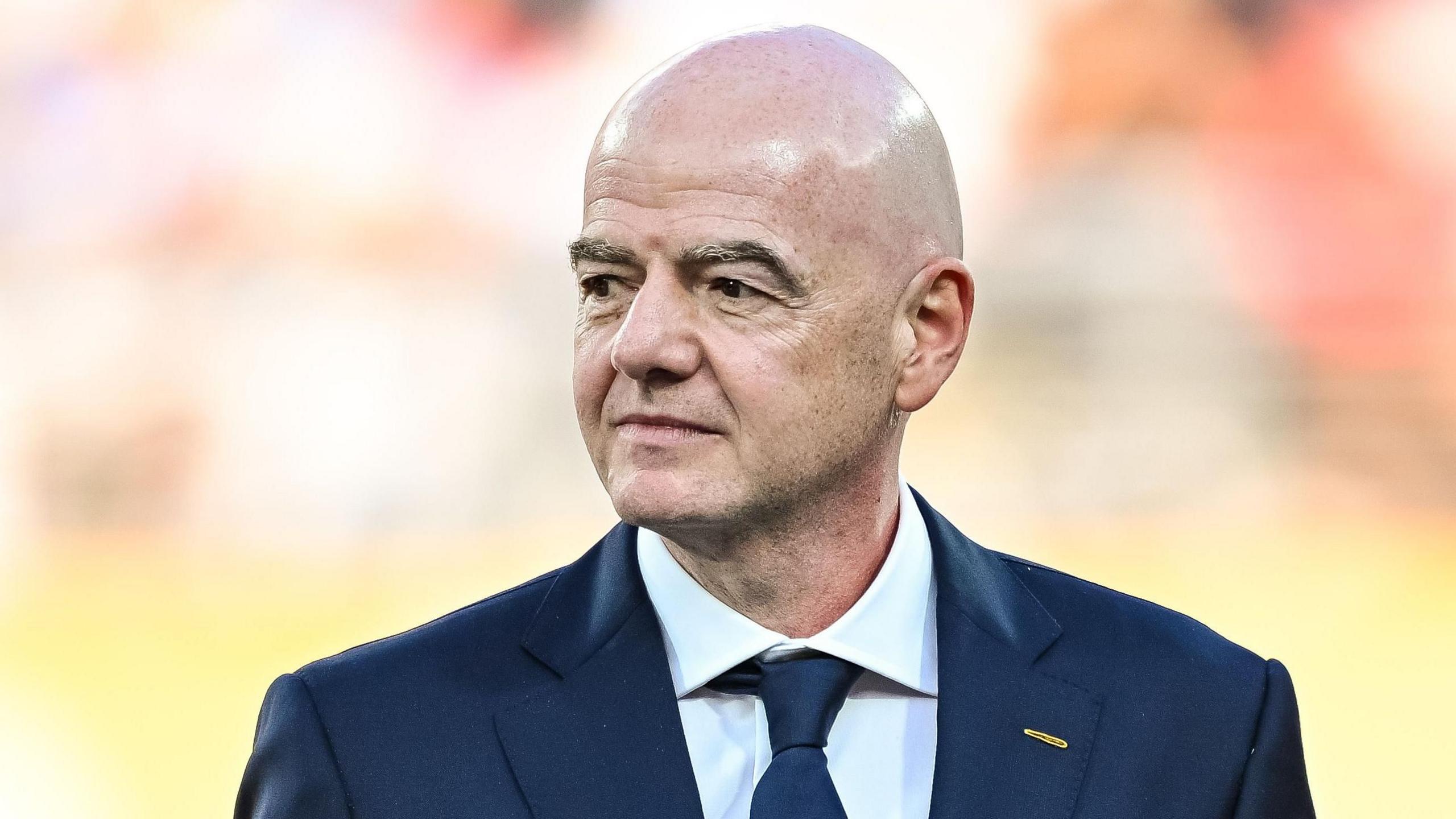
Infantino’s future is uncertain. He was elected in 2016 and is due for a fourth term in March 2027. However, supporters of the Fatima proposal have lost faith, as evidenced by Concacaf’s rejection and the backlash from major clubs. Former Uefa chief executive Lars‑Christer Olsson called for a new system that rotates the presidency among confederations, suggesting that Infantino’s position is in danger.
Some experts say that if Infantino can’t secure enough backing from national associations, he may be forced to step down, while others argue he could stay in place if he retains widespread support.
The stakes for Europe
UEFA’s influence in FIFA events is massive. In the last world tournament, it supplied three of the four semi‑finalists in the women’s world cup and the club world cup. A boycott would not just break ties but also generate severe commercial losses, derailing Infantino’s promised $40bn ($30bn) growth targets.
The FA and the Scottish FA have publicly backed UEFA’s stance, while other national associations are still gauging the potential fallout.
If the division deepens, it may prompt a reevaluation of football’s global governance structure, potentially leading to a formal split between FIFA and UEFA.