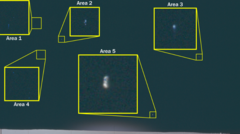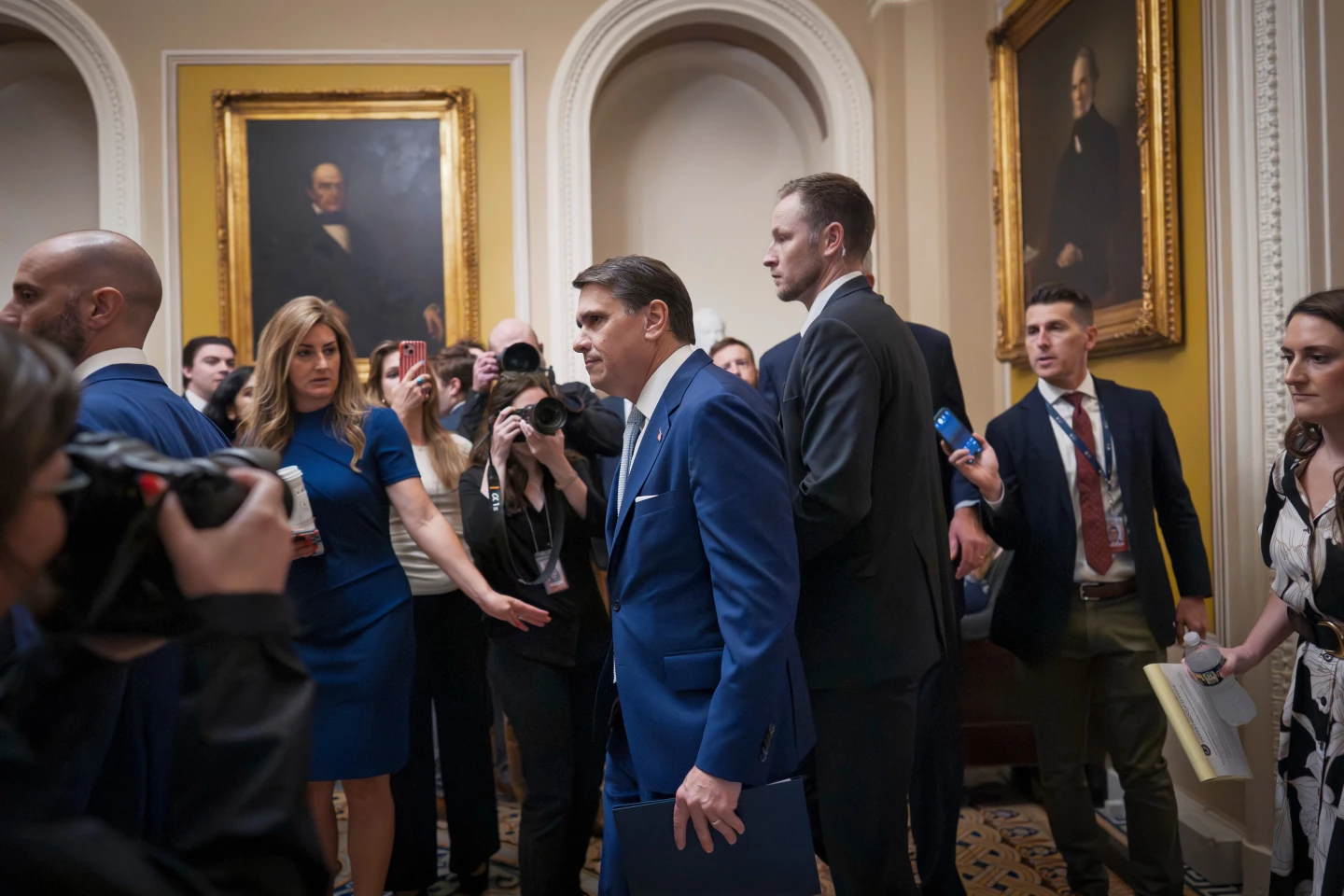
After a U.S. army helicopter was downed in the Gulf, President Donald Trump and Iranian officials exchanged intense threats, heightening a tense diplomatic standoff.
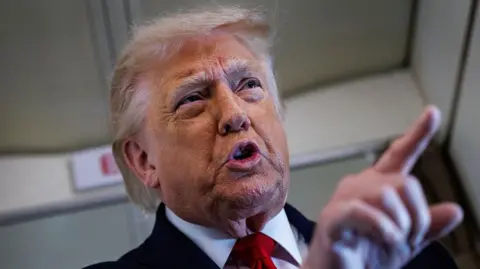
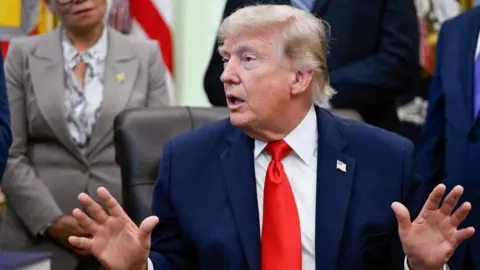
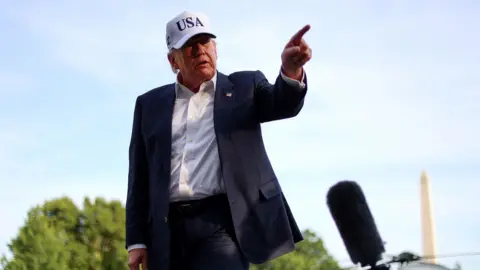
Trump urged Tehran to “pay the price,” saying the Iranian military was a “complete and total mess” that no longer existed. He insisted Iran had been delayed in negotiating a deal and was “all talk and no action.”
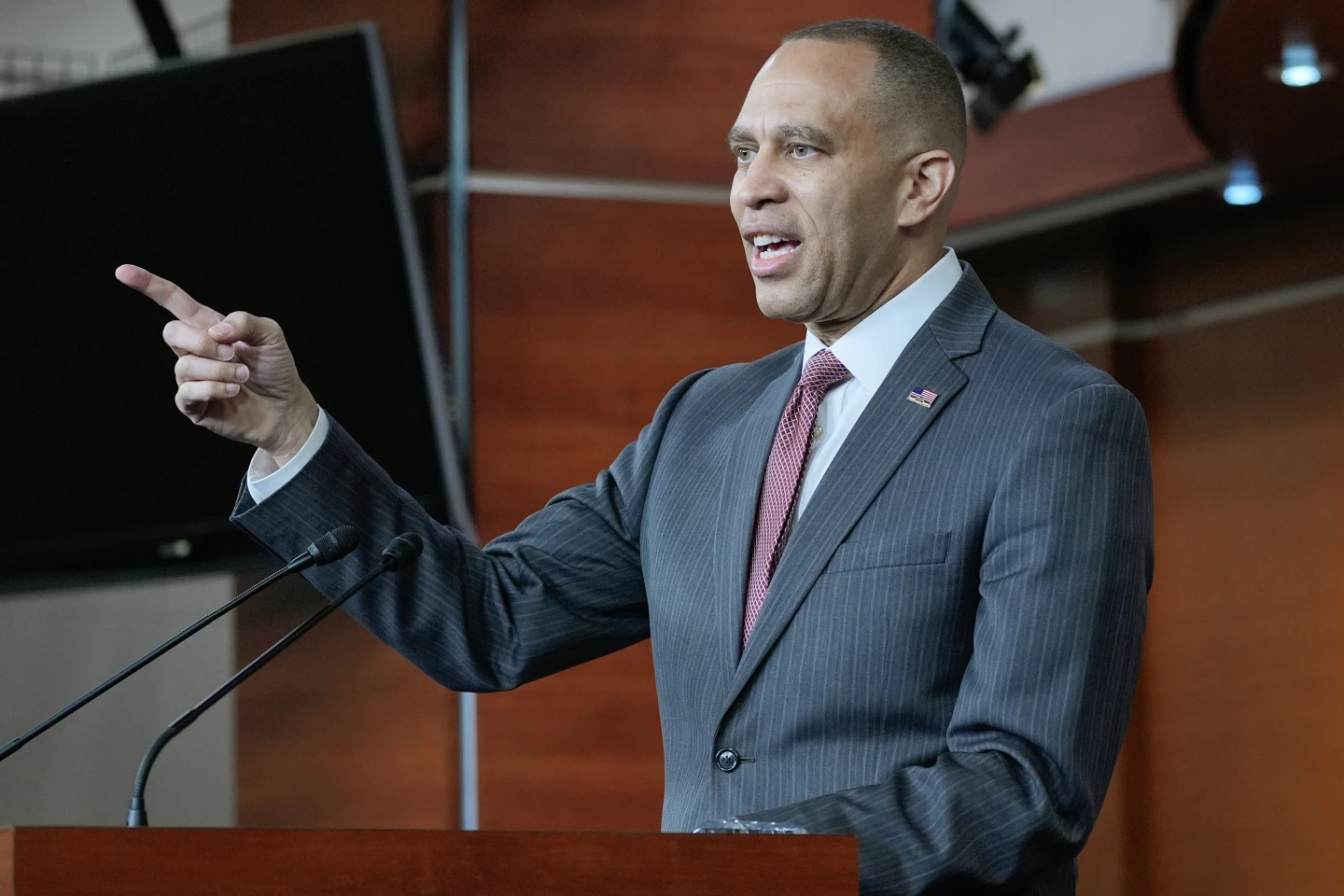
Iran’s Foreign Minister Abbas Araghchi warned that no attack or threat would be left unanswered, citing U.S. “defeats on the battlefield.” He accused the United States of damaging the diplomatic process with contradictory messages and repeated ceasefire violations.
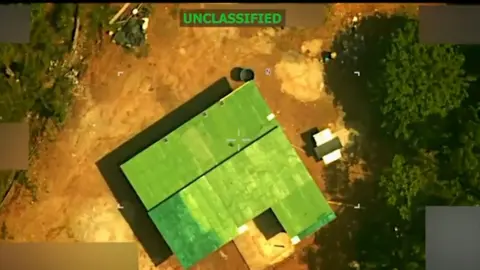
The U.S. response involved strikes on Iranian sites near the Strait of Hormuz, targeting defence systems, ground control stations, and radar sites. In retaliation, Iran’s Islamic Revolutionary Guard Corps launched attacks on 21 U.S. bases across the region, hitting Bahrain, Jordan, and others while Kuwait intercepted an attack.
Trump’s comments were markedly different from earlier that week, when he reported the U.S. and Iran were “in the final throes of what will be a very, very good deal.” The sharp shift in rhetoric reflects escalating tensions amid ongoing disputes over ceasefire obligations and diplomatic negotiations.