In brief
In a U.S. defamation lawsuit, a judge has ordered Donald Trump to take a deposition concerning a BBC Panorama segment that edited his post‑Capitol riot speech. Trump cancelled the session citing national duties, but the court noted he was campaigning in Georgia that day. The BBC claims it accidentally presented his words as a call for violence, apologised, and now seeks dismissal. Failure to comply could result in the lawsuit being struck out.
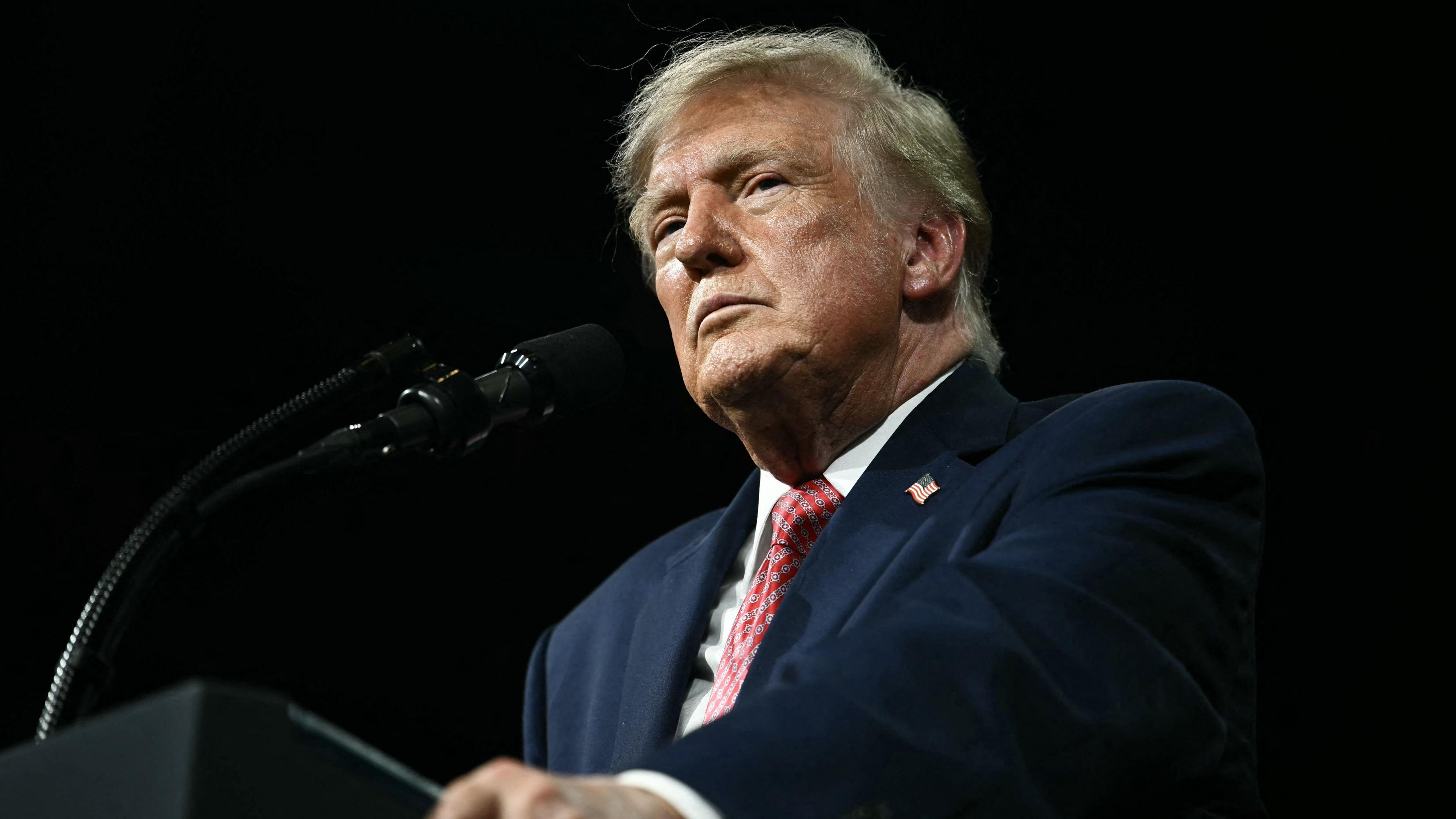
U.S. Magistrate Judge Enjoliqué Lett has directed former President Donald Trump to sit for a deposition in his defamation lawsuit against the BBC, with a deadline of 11 December. Trump’s case accuses the broadcaster of “intentionally, maliciously and deceptively” editing his 6 January 2021 speech to make it appear he was calling for violent action outside the U.S. Capitol.
The lawyer for the BBC, Charles Tobin, told the Miami court that Trump had not yet completed a deposition even though the discovery period was only two months from now. Lett warned that failure to comply could lead to sanctions, the most severe of which could be dismissal of Trump’s lawsuit unless the discovery period was extended.
Trump had originally cancelled a scheduled deposition on 16 October, citing “matters of national importance.” The court however pointed out that, on the day of the cancelled session, Trump was campaigning in Georgia and attending a fundraiser at his Mar‑a‑Lago property, effectively prioritising political activities over the court’s request.
Responding to the court’s order, Trump’s lawyers said the former president could appear for the interview between 11 and 22 January next year and argued that the BBC was wrong to claim he was avoiding his deposition.
The lawsuit, filed in Florida, claims the BBC’s Panorama programme “maliciously and deceptively doctoring” the speech, creating a “mistaken impression that Trump made a direct call for violent action.” The broadcaster apologised for the error and has asked the court to dismiss the claim, arguing the programme does not meet legal standards for defamation and was not available in the U.S.
Earlier in July, Trump’s team admitted they had no evidence the documentary was offered on the BBC’s BritBox subscription service, its website, BBC Select or via U.S. broadcasters. As a result, Trump finally dropped the lawsuit against BBC Studios, the broadcaster’s commercial arm.