WASHINGTON (AP) — The Trump administration is expected this week to revoke a scientific finding that has long served as the basis for U.S. regulations on greenhouse gas emissions and efforts to combat climate change, a White House official has confirmed.
The Environmental Protection Agency (EPA) is set to issue a final rule rescinding the 2009 endangerment finding, which determined that carbon dioxide and other greenhouse gases endanger public health and welfare. An unnamed White House official provided insights into this move, originally reported by the Wall Street Journal.
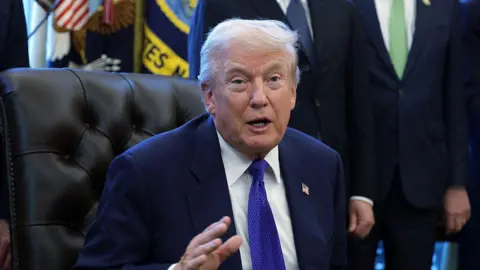
“This week, President Trump will be undertaking what can only be described as the most significant deregulatory actions in American history to unleash energy dominance and lower costs for our citizens,” stated White House Press Secretary Karoline Leavitt.
The endangerment finding has been foundational for climate regulations under the Clean Air Act, influencing standards for motor vehicles and power plants among other key pollution sources exacerbating climate change.
It's noted that the expected changes will likely invite legal challenges, with environmental organizations describing this maneuver as the most aggressive assault on U.S. climate policies ever.
Critics of the administration's approach emphasize that the EPA's new direction would lead to increased climate pollution, rising health risks, and economic damages, refuting claims made by supporters of the repeal that such restrictions were overly hampering economic growth.
As the EPA moves forward in finalizing a new regulatory framework, past court rulings, including a significant 2007 Supreme Court decision that identified greenhouse gases as air pollutants, signal potential challenges to the validity of the rollback.
Many scientists and environmental advocates, including University of Pennsylvania climate scientist Michael Mann, argue that this action represents an ongoing trend of climate denial and will exacerbate environmental issues while undermining public health safeguards in place.
In conclusion, as the Trump administration pushes forward with this change, the discourse around climate action in the U.S. remains a point of contention, with implications reaching far beyond environmental regulations.