In brief
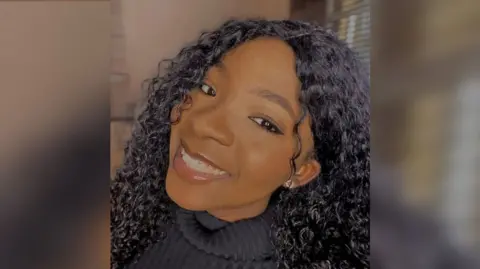
Ifunanya Nwangene, a 26-year-old singer known for her diverse musical style and recent prominence on The Voice Nigeria, tragically died after being bitten by a snake in her home. Despite her talent and upcoming plans for a solo concert, the incident has raised serious questions about healthcare access and safety in Nigeria.
There has been an outpouring of grief in Nigeria following the death of aspiring singer Ifunanya Nwangene, who died on Saturday after being bitten by a snake in Abuja. Nwangene, 26, gained attention after her appearance on The Voice Nigeria in 2021, showcasing a blend of jazz, opera, classical music, and soul. Videos circulating on social media depict a snake handler removing a snake from her apartment, with onlookers exclaiming, 'It is a cobra!'A close friend and music director, Sam Ezugwu, referred to Nwangene as a 'rising star' and mentioned that she had plans for her first solo concert later this year. Additionally, she was a trained architect. Reports reveal that she was asleep when the snake bite occurred, waking her abruptly. After seeking initial treatment at a nearby clinic that lacked antivenom, she moved to a hospital that had some, but not all, required antivenom.Ezugwu recounted racing to the hospital only to arrive and find that she had passed away, while other supporters of the singer gathered at the hospital hoping for a miracle. The tragedy has sparked discussions about the state of healthcare in Nigeria, particularly following several recent incidents underlining medical negligence concerns. This incident comes amid a wider discourse on the accessibility and adequacy of medical resources in Nigeria, particularly for snake bites, which disproportionately affect people in rural areas.According to the World Health Organization (WHO), many snakebites go unreported due to a lack of resources and reliance on traditional healers. Venomous snakebites are a critical public health issue in Africa, leading to tens of thousands of deaths each year. The WHO estimates indicate between 435,000 and 580,000 snakebites requiring treatment are recorded annually in Africa, exposing significant weaknesses in health systems across the continent.