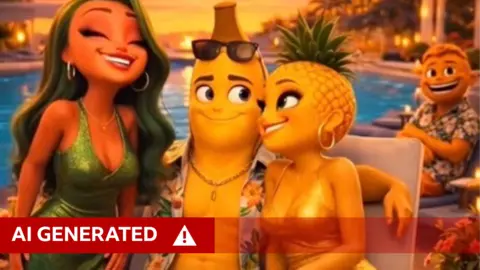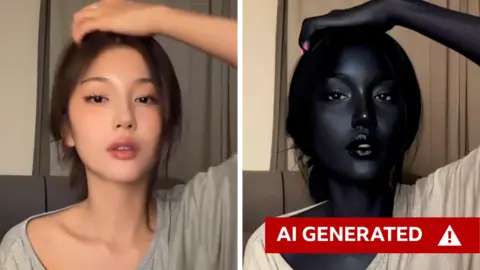
TikTok has banned 20 accounts after the BBC highlighted the use of AI-generated black female influencers to drive users to sites promoting sexually explicit content. These accounts are part of a growing trend criticized as racist and exploitative, employing racial tropes and misleading representations.
The BBC and researchers from Riddance discovered numerous accounts on Instagram and TikTok featuring highly sexualized black female avatars. Most of these images were generated by AI without any indication of being artificial, violating the platforms' guidelines.
Instagram's parent company, Meta, confirmed it is investigating the situation but has not disclosed any actions taken. The digital avatars often donned revealing outfits and presented exaggerated body shapes, sometimes with artificially dark skin tones.
BBC's investigations have identified 60 accounts primarily on Instagram linked to explicit adult content, although some accounts did not contain such links. Content from one of the banned TikTok accounts has garnered significant attention, amassing millions of views.
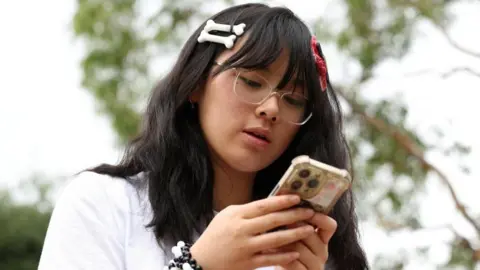
Riya Ulan, a content creator whose videos were manipulated, expressed her anger regarding the unauthorized use of her content to promote explicit material. She reported the accounts but only received action after the BBC's approach to TikTok.
Critics argue that these AI-generated avatars perpetuate stereotypes and exploit black women, while also impacting the authenticity of representations online. TikTok emphasized its zero-tolerance policy for content promoting off-platform sexual services and assured users of its commitment to removing harmful AI-generated content.