WASHINGTON (AP) — A stark shift is evident in Americans' perceptions of the job market, with rising pessimism captured in a recent Gallup survey. Despite maintaining a low unemployment rate, only 28% of workers assert that now represents a good time to search for quality employment. This stands in contrast to 70% of workers expressing optimism just over a year ago.
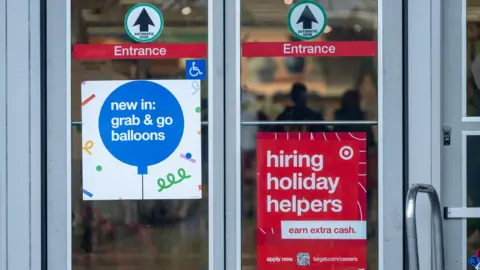
The survey, conducted during late 2025, reveals that a significant 72% perceive it as a bad time for job hunting, reflecting a nationwide ongoing hiring drought. As a result, economic sentiment remains largely bleak, even as many traditional indicators suggest growth.
Particularly among college graduates, pessimism is intensifying. Only 19% in this group feel optimistic about job opportunities, whereas 35% of workers without college degrees are more hopeful about their prospects. Comparative data indicates the lowest optimism among degree holders since 2013.
Young Workers Feel the Strain
Among younger demographics, notably those aged 18-34, a mere 20% indicate it is a good time to find a job, contrasting sharply with around 40% of older workers aged 65 and above who feel similarly optimistic. The hiring rate is notably weak, with figures from the Labor Department indicating a drop to 3.2%—the lowest in over a decade—suggesting a challenging environment for new entrants in the job market.
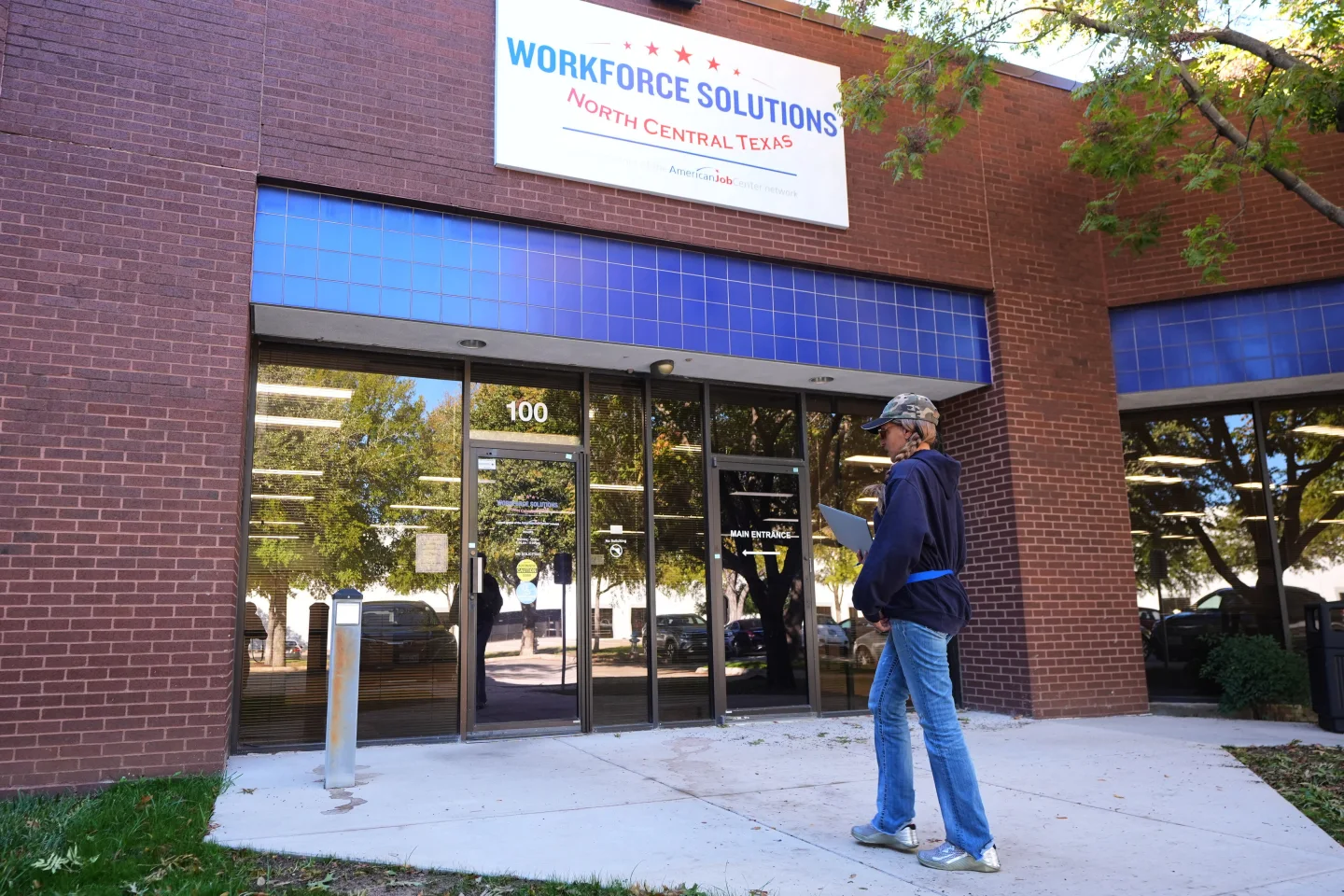
Economists observe that businesses are retaining existing employees while hiring remains sluggish, creating an environment particularly challenging for younger workers seeking permanent positions. Additionally, more young individuals report actively searching for job opportunities compared to older generations.
Wider Economic Sentiment
Overall, the negative sentiment reflected in Gallup's findings echoes other surveys that note diminished consumer confidence, with many Americans expressing concerns about the economy's trajectory. Indicators show that for every job available, there are now more unemployed individuals, marking a turn from the trends seen shortly after the pandemic began. These evolving dynamics highlight the complexities of the current job market, where optimism is increasingly overshadowed by economic uncertainties.