
In brief
Ugandans are poised to cast their votes in a significant election that could shape the country's future. President Yoweri Museveni, in power since 1986, aims for a seventh consecutive term, while his main opponent, pop-star-turned-politician Bobi Wine, represents a call for change. The atmosphere leading up to the election has been tense, marked by allegations of harassment against opposition supporters and concerns over the electoral process's integrity, raising questions about whether the vote will be free and fair.
As Ugandans Go to the Polls: A Choice Between Stability and Change
As Ugandans go to the polls next week, they are faced with a critical choice of propelling a leader into his fifth decade in power or backing a candidate seeking to capitalize on the desire for change from many quarters.
President Yoweri Museveni, 81, has been in office since 1986, aiming for a seventh consecutive election victory. His main challenger, pop-star-turned-politician Bobi Wine, 43, has promised a revolution in governance and sweeping reforms, attracting a significant youth following tired of economic hardship.
The campaign has been marred by the disruption of opposition activities, with security forces allegedly detaining activists and breaking up rallies. With high youth unemployment and economic concerns in the spotlight, the upcoming elections hold great significance.
Polling Date and What to Expect
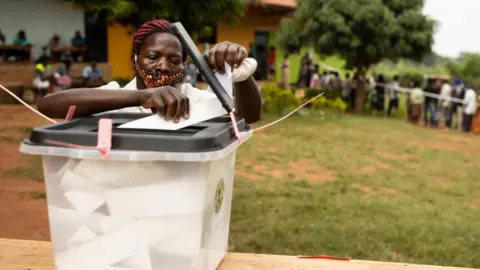
Polling is set for Thursday, January 15. Polls will open at 07:00 local time (04:00 GMT) and close at 16:00, allowing anyone in the queue at closing time to vote. The 21.6 million registered voters will be participating in three elections: presidential, parliamentary constituency representatives, and parliamentary women representatives.
Key Players in the Election
Both Museveni and Bobi Wine are the two front-runners among eight male candidates. This election marks their second encounter at the ballot box, with Museveni having won the 2021 poll amidst controversy over alleged rigging and a crackdown on opposition, securing 58% of the vote to Bobi Wine's 35%.
Museveni, the longest-serving leader in Africa, claims to guarantee stability and progress, but his administration faces criticism over human rights abuses. Bobi Wine, known in his music career as a voice for the youth, has become the leading opposition force and embodies aspirations for a brighter future among the younger population.
The other candidates include Frank Bulira, Robert Kasibante, Joseph Mabirizi, Nandala Mafabi, Mugisha Muntu, and Mubarak Munyagwa. Prominent opposition figure Kizza Besigye is currently incarcerated on treason charges.
Concerns and Challenges Ahead
Voters are primarily concerned about economic issues, particularly unemployment, with the youth population struggling to find good jobs. Corruption, poor infrastructure, and inequalities in access to quality education and healthcare remain critical points of contention as well.
While officials assert that the elections will be free and fair, there are widespread fears regarding harassment of opposition supporters, potential violence, and controversies surrounding election transparency. The conduct of past elections raises doubts about the government's commitment to a fair process, with possible internet shutdowns during the election being a lingering concern.
If all goes as planned, the results of the presidential vote should be known within 48 hours after polls close, with a possibility of a run-off if no candidate secures over 50% of the votes.

