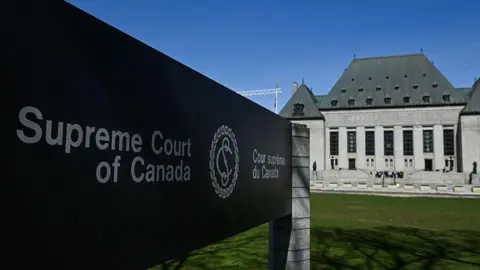
The U.S. Supreme Court is stepping back into the complex arena of racial discrimination in jury selection with the case of Terry Pitchford, a Black man on death row in Mississippi. Scheduled for arguments this Tuesday, the case examines whether it was appropriate for the trial judge, Joseph Loper, to allow the prosecution to exclude Black jurors from the jury pool based on questionable reasoning.
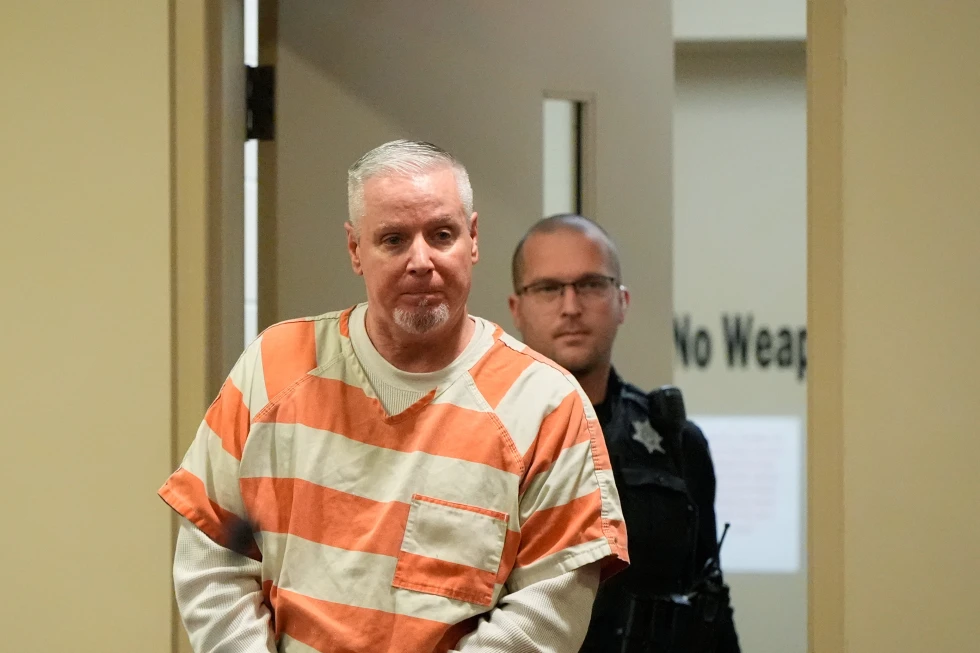
Pitchford, now 40, was convicted in 2004 for his involvement in the robbery and murder of Reuben Britt, who was shot three times. He was a teenager at the time of the offense, and his accomplice, being underage, could not face the death penalty. Despite the ruling of the state Supreme Court, Pitchford's defense argues that explicit racial discrimination influenced the jury's composition.
The Supreme Court’s decision to entertain this appeal follows a similar case involving Curtis Flowers, whose death sentences were overturned after established patterns of racial bias in jury selection were identified. Justice Brett Kavanaugh formerly described the process of excluding Black jurors as a 'relentless, determined effort,' setting a timely precedent as Pitchford's case unfolds.
Pitchford's conviction was previously overturned in 2023 by U.S. District Judge Michael P. Mills, who ruled that the defense was not given a fair opportunity to challenge the juror exclusions. However, this ruling was reversed by the 5th U.S. Circuit Court of Appeals, which felt the original trial process met legal standards.
Mississippi Attorney General Lynn Fitch stands firm in defending the exclusionary practices as lawful, continuing to assert that the legal process followed by the trial was justified.
Legal experts indicate that if the Supreme Court sides with Pitchford, he may either be retried or released, a decision that could have significant implications for racial equality within the judicial system.
Pitchford, now 40, was convicted in 2004 for his involvement in the robbery and murder of Reuben Britt, who was shot three times. He was a teenager at the time of the offense, and his accomplice, being underage, could not face the death penalty. Despite the ruling of the state Supreme Court, Pitchford's defense argues that explicit racial discrimination influenced the jury's composition.
The Supreme Court’s decision to entertain this appeal follows a similar case involving Curtis Flowers, whose death sentences were overturned after established patterns of racial bias in jury selection were identified. Justice Brett Kavanaugh formerly described the process of excluding Black jurors as a 'relentless, determined effort,' setting a timely precedent as Pitchford's case unfolds.
Pitchford's conviction was previously overturned in 2023 by U.S. District Judge Michael P. Mills, who ruled that the defense was not given a fair opportunity to challenge the juror exclusions. However, this ruling was reversed by the 5th U.S. Circuit Court of Appeals, which felt the original trial process met legal standards.
Mississippi Attorney General Lynn Fitch stands firm in defending the exclusionary practices as lawful, continuing to assert that the legal process followed by the trial was justified.
Legal experts indicate that if the Supreme Court sides with Pitchford, he may either be retried or released, a decision that could have significant implications for racial equality within the judicial system.