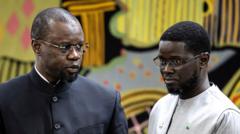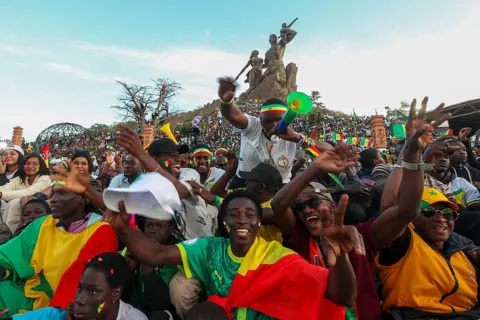
Government ministers in Senegal have been banned from all non-essential foreign travel following the rise in the price of oil resulting from the conflict in Iran, the prime minister has announced. Speaking at a youth rally on Friday, Ousmane Sonko noted that the current cost of a barrel of oil was approaching double what had been budgeted. Sonko has postponed his own trips to Niger and Spain as part of the restrictions, stating that the mines minister will unveil further cost-cutting measures next week.
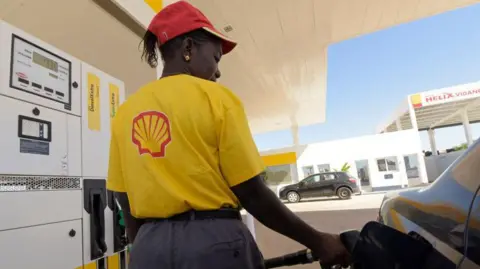
Senegal's response mirrors wider actions across Africa as nations adjust to the challenges of a sharp oil price increase. Sonko expressed concern at the rally, aiming not to alarm the youth but to instill a sense of resilience amidst tough economic realities. Despite having a booming oil and gas industry on the horizon, Senegal heavily depends on fuel imports, complicating its economic situation.
Last year, the International Monetary Fund declared Senegal's economy as 'robust' with an estimated growth rate of nearly 8% and low inflation rates. However, the country's public debt is significant, exceeding 130% of its total annual economic size. Sonko attributed these financial burdens to the previous administration's mismanagement, complicating the current government's efforts to mitigate the effects of rising oil prices.
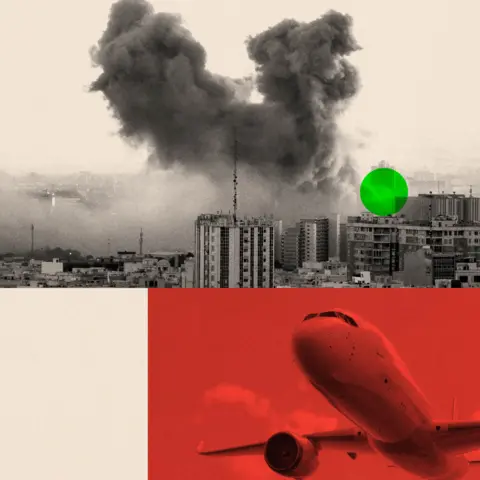
As the oil crisis unfolds, Senegal is among several African nations adopting varying strategies to respond effectively, including South Africa's recent tax reductions on petrol and other countries implementing electricity rationing or fuel levies. The conflict in Iran has furthermore disrupted global fertilizer supply chains, raising concerns about food security in regions reliant on these imports.
Senegal's response mirrors wider actions across Africa as nations adjust to the challenges of a sharp oil price increase. Sonko expressed concern at the rally, aiming not to alarm the youth but to instill a sense of resilience amidst tough economic realities. Despite having a booming oil and gas industry on the horizon, Senegal heavily depends on fuel imports, complicating its economic situation.
Last year, the International Monetary Fund declared Senegal's economy as 'robust' with an estimated growth rate of nearly 8% and low inflation rates. However, the country's public debt is significant, exceeding 130% of its total annual economic size. Sonko attributed these financial burdens to the previous administration's mismanagement, complicating the current government's efforts to mitigate the effects of rising oil prices.
As the oil crisis unfolds, Senegal is among several African nations adopting varying strategies to respond effectively, including South Africa's recent tax reductions on petrol and other countries implementing electricity rationing or fuel levies. The conflict in Iran has furthermore disrupted global fertilizer supply chains, raising concerns about food security in regions reliant on these imports.