NEW YORK (AP) — Senate Minority Leader Chuck Schumer has urged his colleagues to take legal action following the Justice Department's limited and heavily redacted release of records related to the late Jeffrey Epstein, a convicted sex offender. Schumer introduced a resolution to direct the Senate to file or join lawsuits to compel the Justice Department's compliance with the Epstein Files Transparency Act, which mandates these disclosures.
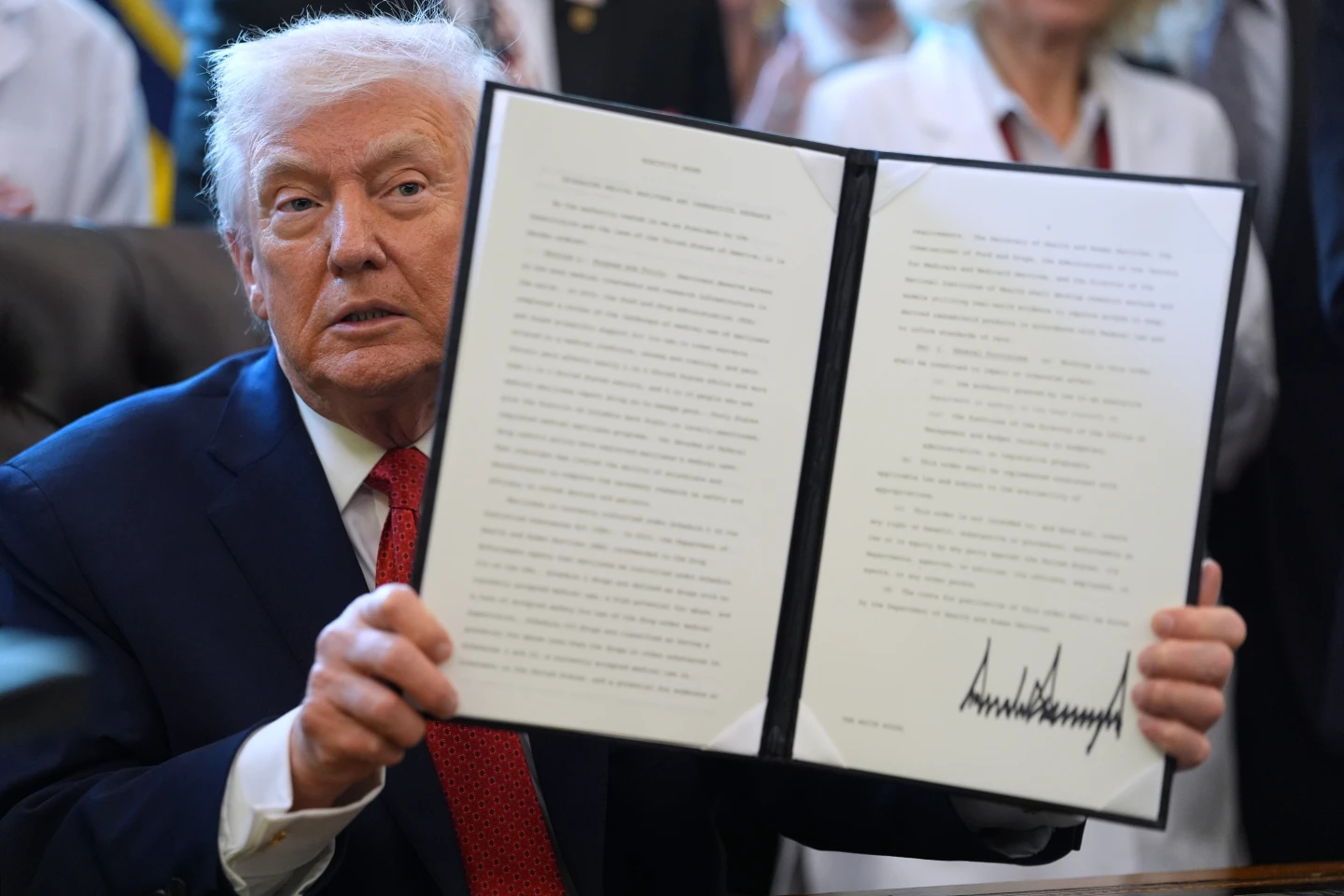
Schumer criticized the release, stating, 'Instead of transparency, the Trump administration released a tiny fraction of the files and blacked out massive portions of what little they provided.' He described this as a blatant cover-up.
The resolution, needing bipartisan support, is largely symbolic with the Senate out until January 5, over two weeks past the mandated deadline. Despite this, it serves as a tool for Democrats to pressure Republicans to address the lack of transparency surrounding the Epstein case.
In response to the criticism, the Justice Department argued that its release would occur on a rolling basis by the end of the year, attributing delays to the necessity of protecting victims' identities. So far, many released materials, including photographs and court records, have either been publicly available or heavily censored, leaving many without necessary context.
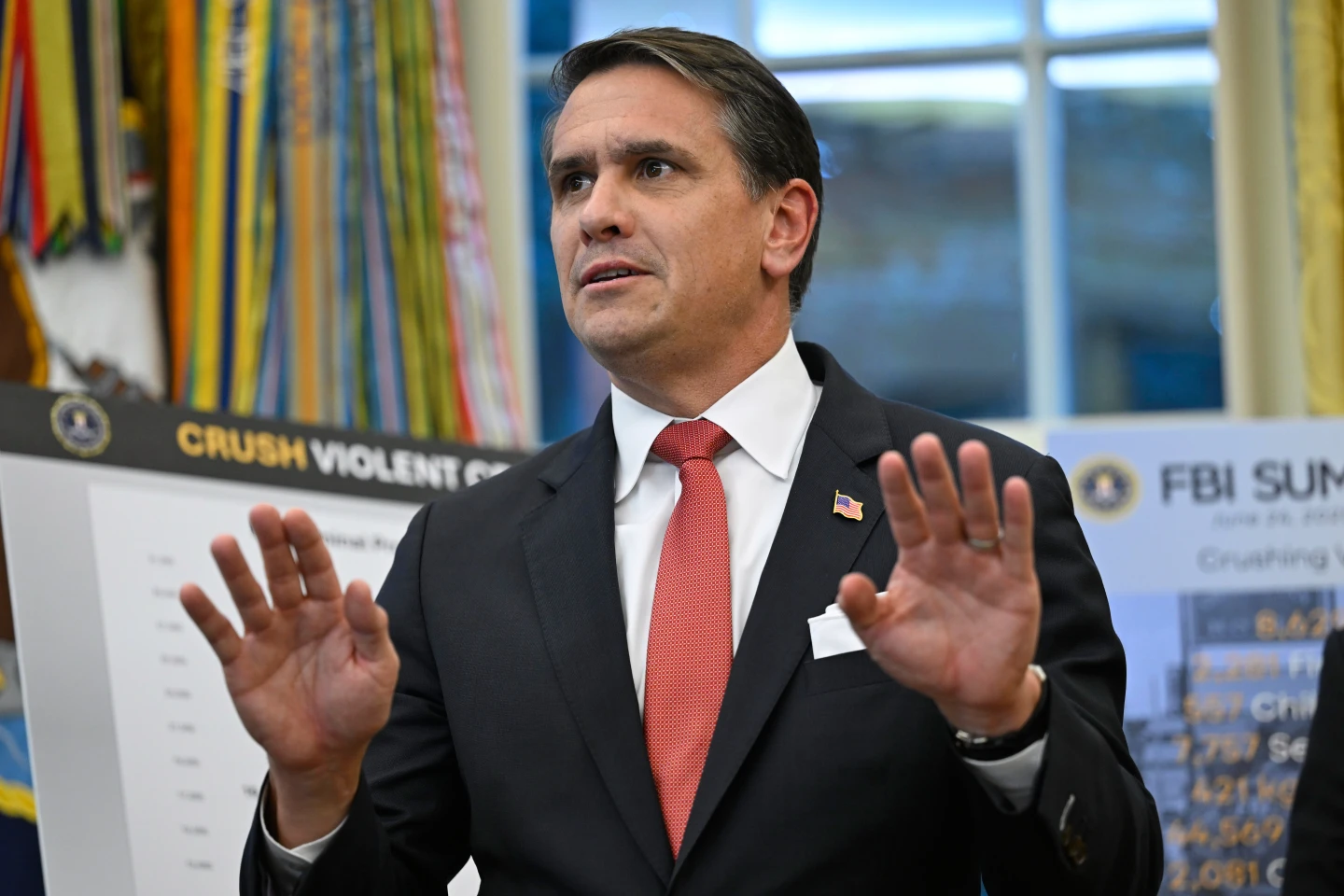
Deputy Attorney General Todd Blanche defended the cautious approach of the Justice Department, emphasizing the importance of safeguarding sensitive information concerning abuse survivors. He assured that all mandated disclosures would eventually be fulfilled but insisted that redaction was needed for certain documents.
Contentiously, some key materials, like FBI interviews and internal memos about charges, have not been included in the releases. Additionally, the absence of references to prominent figures associated with Epstein, including former Prince Andrew, has fueled frustration among accusers and congressional members who advocated for the transparency act.
Blanche reaffirmed the department's commitment to transparency, stating, 'We are not redacting information around President Trump, around any other individual involved with Mr. Epstein.' He characterized accusations of protective measures for Trump as unfounded.