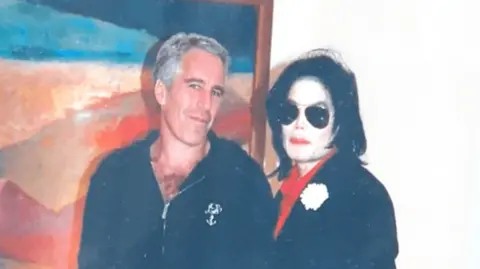
The release of thousands of pages of documents related to the late sex offender Jeffrey Epstein's abuse has left some who were anxiously awaiting the files disappointed.
The documents' release was prompted by an act of Congress that directed the US Justice Department (DOJ) to make materials related to Epstein's crimes public. However, numerous documents have heavy redactions, while others have not been shared publicly at all.
Lawmakers who advocated for the release of these files have described the effort as incomplete and insincere. Some legal experts also warned that extensive redactions may fuel existing conspiracy theories.
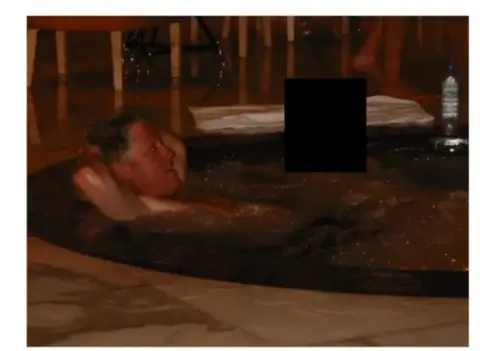
Deputy US Attorney Todd Blanche stated that the department identified over 1,200 Epstein victims or relatives, citing that materials that could identify them were withheld. The latest released information includes a photograph of Epstein confidante Ghislaine Maxwell outside Downing Street, a document claiming Epstein introduced a 14-year-old girl to Donald Trump at Mar-a-Lago, and multiple images of former President Bill Clinton.
However, being named or pictured does not indicate wrongdoing; both Trump and Clinton have consistently denied any allegations related to Epstein.
Many documents remain heavily redacted, a fact that survivors find particularly frustrating. Epstein survivor Liz Stein expressed concern about the Department's apparent disregard for the Epstein Files Transparency Act, demanding full disclosure of all evidence related to the abuse.
Baroness Helena Kennedy, a human rights lawyer, voiced that while survivors seek transparency, they may not be prepared for the consequences of what the files might contain. Congressman Ro Khanna, who has been vocal about the incomplete release, is exploring measures of accountability against the DOJ.
The White House has defended the transparency efforts of the Trump Administration, alongside assurances from Blanche that all names, regardless of notoriety, should be released in accordance with the law.
The DOJ has reiterated that it does not redact names unless they are of victims but the extensive redactions have raised numerous questions about compliance with the law and the transparency of the release itself.