What on earth has the last fortnight been all about?
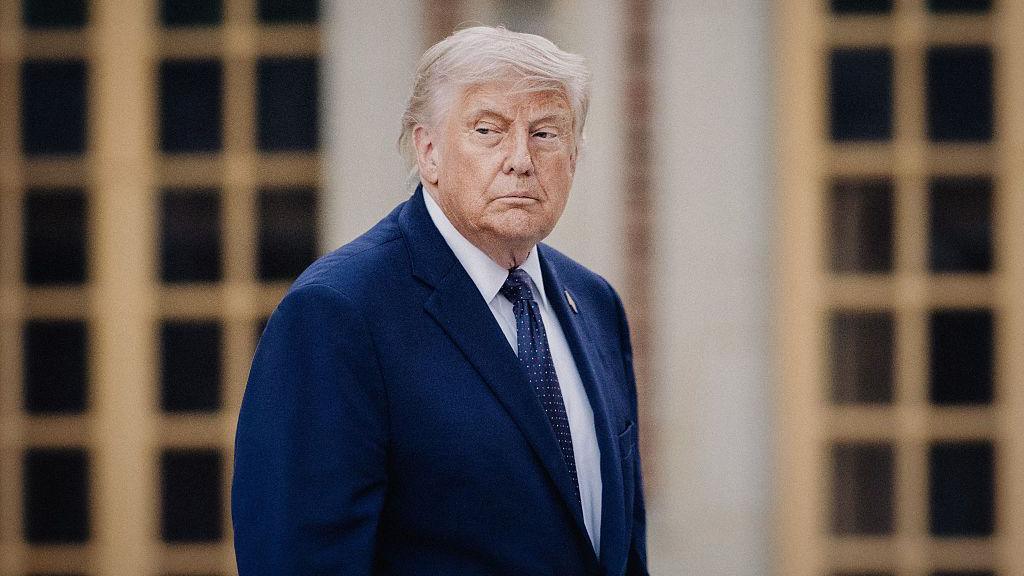
In the wake of a successful military operation in Venezuela earlier this month, a buoyed-up Donald Trump started to ratchet up the rhetoric on Greenland.
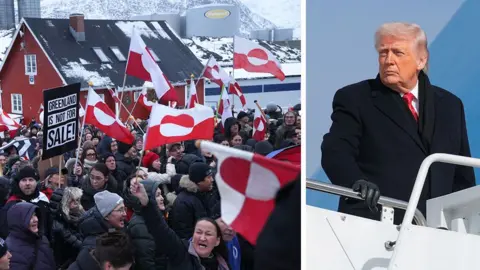
Day after day, the world was treated to claims of ownership, threats of military action and tariffs against traditional allies in Europe.
Now, in an apparent puff of smoke, it may all have gone.
Nato Secretary General Mark Rutte, arguably the Trump whisperer-in-chief, seems to have talked the president down from his dangerously high hobby horse.
The ground may have been laid last week during a visit to Washington by the foreign ministers of Denmark and Greenland. The visit concluded with agreement on a working group to discuss Greenland's future.
But Rutte appears to have finessed an issue that had threatened to shatter the north Atlantic alliance.
We don't yet know the details of the deal, but many will wonder why it needed a frenetic two-week crisis to get here.
Denmark had long said that it was only too happy to see an increased American military presence on Greenland.
If Nato has now pledged to up its presence on and around the island, then that will go some way towards reassuring Donald Trump that the alliance is finally paying proper attention to Greenland.
Quote from The New York Times suggests an arrangement whereby Denmark could cede sovereignty over small areas of Greenland for U.S. military bases, paralleling the UK's arrangement on Cyprus.
Trump mentioned the deal would involve access to Greenland's mineral resources.
Neither Denmark nor Nato has confirmed these or any other reports.
Nato said discussions would focus on ensuring Arctic security through collective efforts aimed at preventing Russia and China's economic or military footholds in Greenland.
In conclusion, the whirlwind of drama conjured by Trump, which pointed to an existential crisis within NATO, will leave a lasting impact that is not easily forgotten.
Canada's Prime Minister Mark Carney characterized the moment as a rupture, indicating significant shifts in geopolitical dynamics.
EU Commission President Ursula von der Leyen noted a seismic change urging greater European independence, making it clear that a swift return to the old diplomatic order is unlikely.