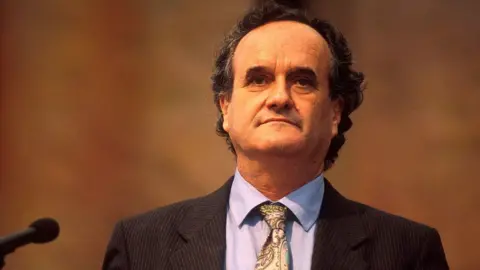
Sir Mark Tully, the broadcaster and journalist recognized for his extensive coverage of India, passed away at the age of 90, leaving behind a profound impact on journalism. His distinctive voice and warm tones became synonymous with landmark events in the country, including wars, riots, and the historical destruction of the Babri Mosque.
Tully's experiences, such as being threatened by a mob during the Ayodhya riots in 1992, showcased not only his bravery but also his commitment to delivering truthful narratives amidst chaos. His career, rooted deeply in Indian culture, began in Calcutta in 1935, where he was born, before joining the BBC in 1965 as a reporter.
Throughout his tenure at the BBC, Tully was a vital conduit, bringing the vibrancy and diversity of India to a global audience. Jonathan Munro, Interim CEO of BBC News, remarked on his contributions, stating, Sir Mark opened India to the world through his reporting.
With fluency in Hindi, Tully transcended the typical image of a foreign correspondent, earning the affection and respect of many in India, where he was regarded as 'Tully sahib'. His love for the country was evident in his work, which was characterized by a nuanced understanding of India's complexities, including its poverty and caste system.
Despite facing challenges, including a controversial exit from the BBC in the 1990s, Tully continued to contribute to the discourse in Indian media, reflecting on faith and spirituality in his later works. His dedication was recognized through prestigious awards, including the Padma Bhushan from India and a knighthood from the UK.
Sir Mark Tully's legacy in journalism remains significant, representing the intertwining narratives of India and its rich history, ensuring that his voice and insights will resonate for generations to come.
Tully's experiences, such as being threatened by a mob during the Ayodhya riots in 1992, showcased not only his bravery but also his commitment to delivering truthful narratives amidst chaos. His career, rooted deeply in Indian culture, began in Calcutta in 1935, where he was born, before joining the BBC in 1965 as a reporter.
Throughout his tenure at the BBC, Tully was a vital conduit, bringing the vibrancy and diversity of India to a global audience. Jonathan Munro, Interim CEO of BBC News, remarked on his contributions, stating, Sir Mark opened India to the world through his reporting.
With fluency in Hindi, Tully transcended the typical image of a foreign correspondent, earning the affection and respect of many in India, where he was regarded as 'Tully sahib'. His love for the country was evident in his work, which was characterized by a nuanced understanding of India's complexities, including its poverty and caste system.
Despite facing challenges, including a controversial exit from the BBC in the 1990s, Tully continued to contribute to the discourse in Indian media, reflecting on faith and spirituality in his later works. His dedication was recognized through prestigious awards, including the Padma Bhushan from India and a knighthood from the UK.
Sir Mark Tully's legacy in journalism remains significant, representing the intertwining narratives of India and its rich history, ensuring that his voice and insights will resonate for generations to come.