When Indiana approved new congressional districts four years ago, GOP leaders praised them as 'fair maps' that effectively represented local communities. This year, however, Governor Mike Braun's redrawary proposal aimed to extend Republican power, leading to a contrasting definition of 'fair.'
As mid-decade redistricting sessions across the U.S. commence, a reflection on fairness has emerged: Republicans and Democrats are engaging in a tit-for-tat approach to justify creating partisan districts that further distort community representation. While both sides call their districts fair, critics argue this new framework leads to a winner-take-all environment more akin to the Senate rather than the traditionally diverse House.
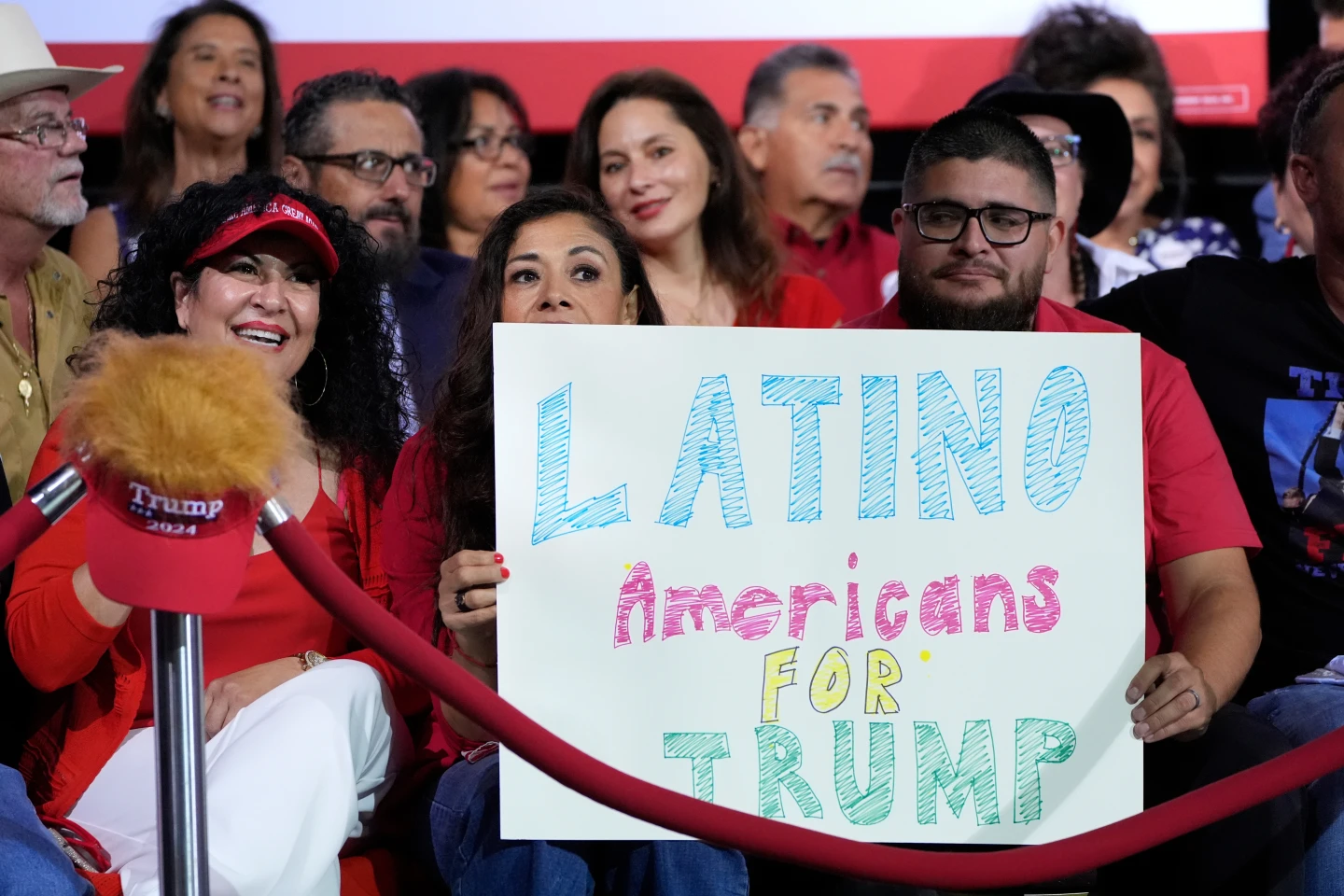
This shift threatens to diminish the influence of minority communities, resulting in fewer unique voices and a narrow focus on specific issues. In particular, Indiana's congressional representation—a mix of seven Republicans and two Democrats—highlights how gerrymandering can splinter communities, such as proposals that separated urban Indianapolis into four districts favoring Republican candidates.
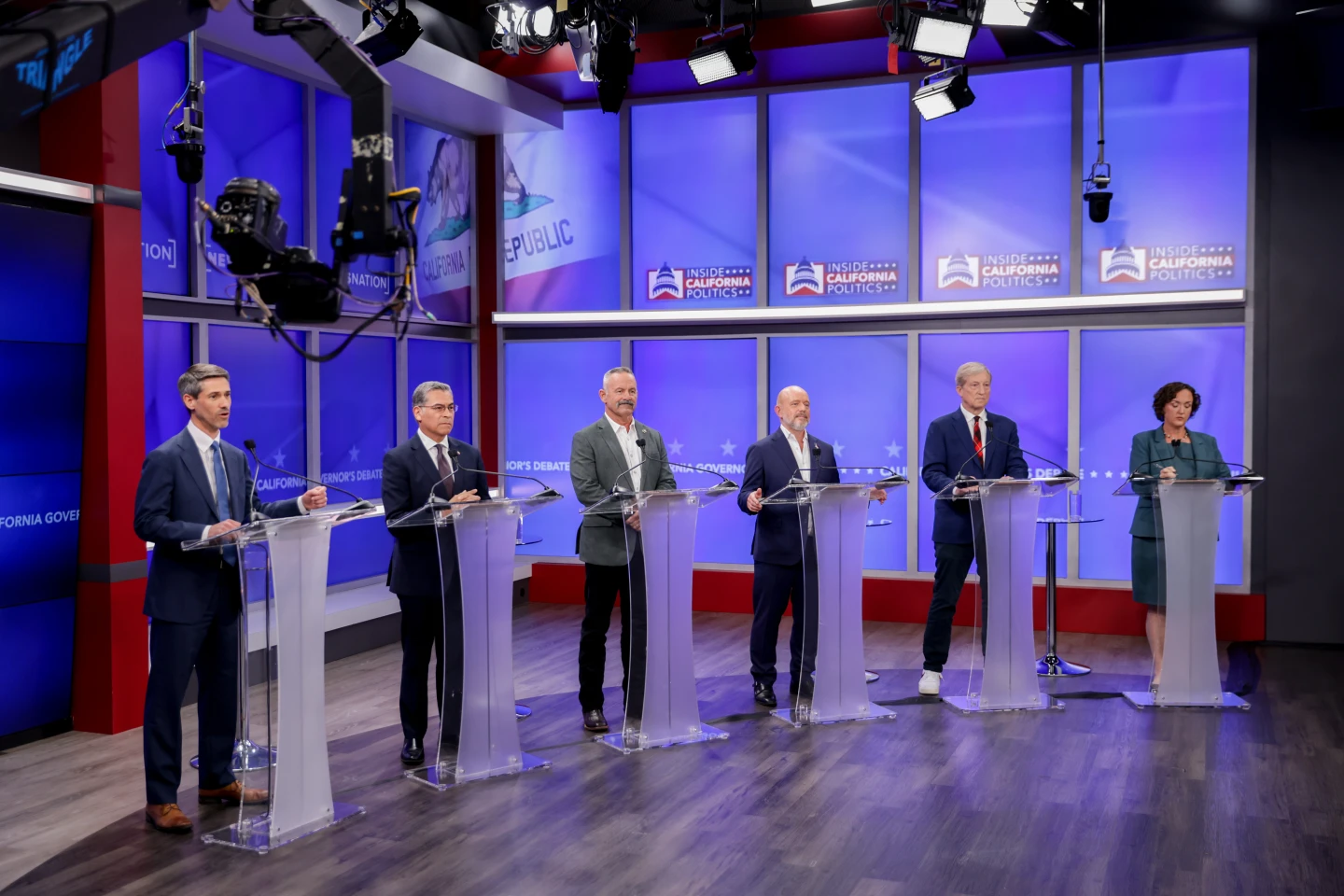
Efforts to revise maps in Texas, Missouri, California, and Ohio demonstrate a deeper tendency toward partisan advantage ahead of the consequential 2026 elections. With proposals aimed at drawing lines that favor dominant parties, residents express concern about their voices being overshadowed.
Experts argue that redistricting's unintended consequences are creating a disconnect between the elected representatives and the communities they serve. Wayne Fields, a political rhetoric expert from Washington University, emphasized the importance of diverse representation in the House, noting the democratic implications of these changes.
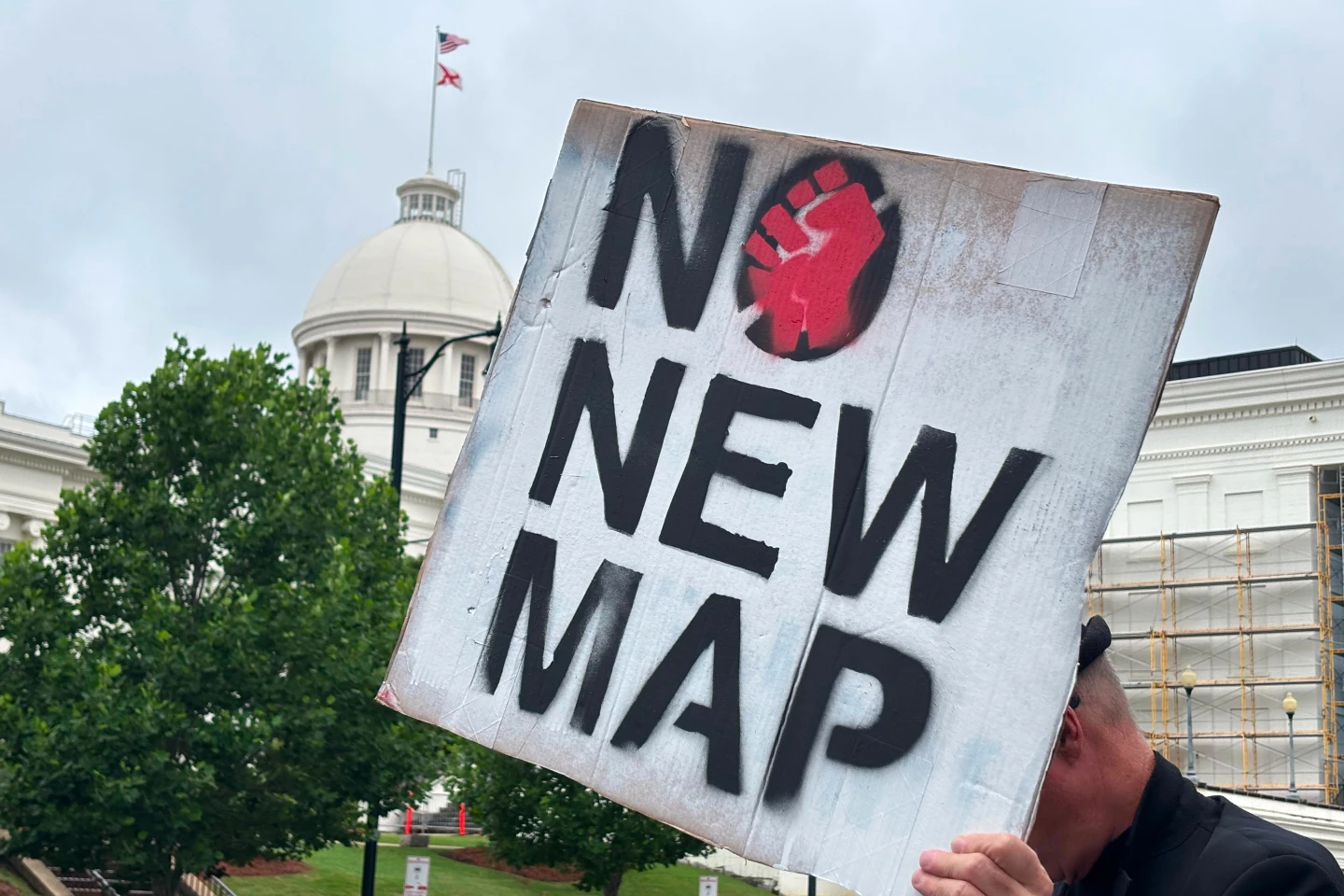
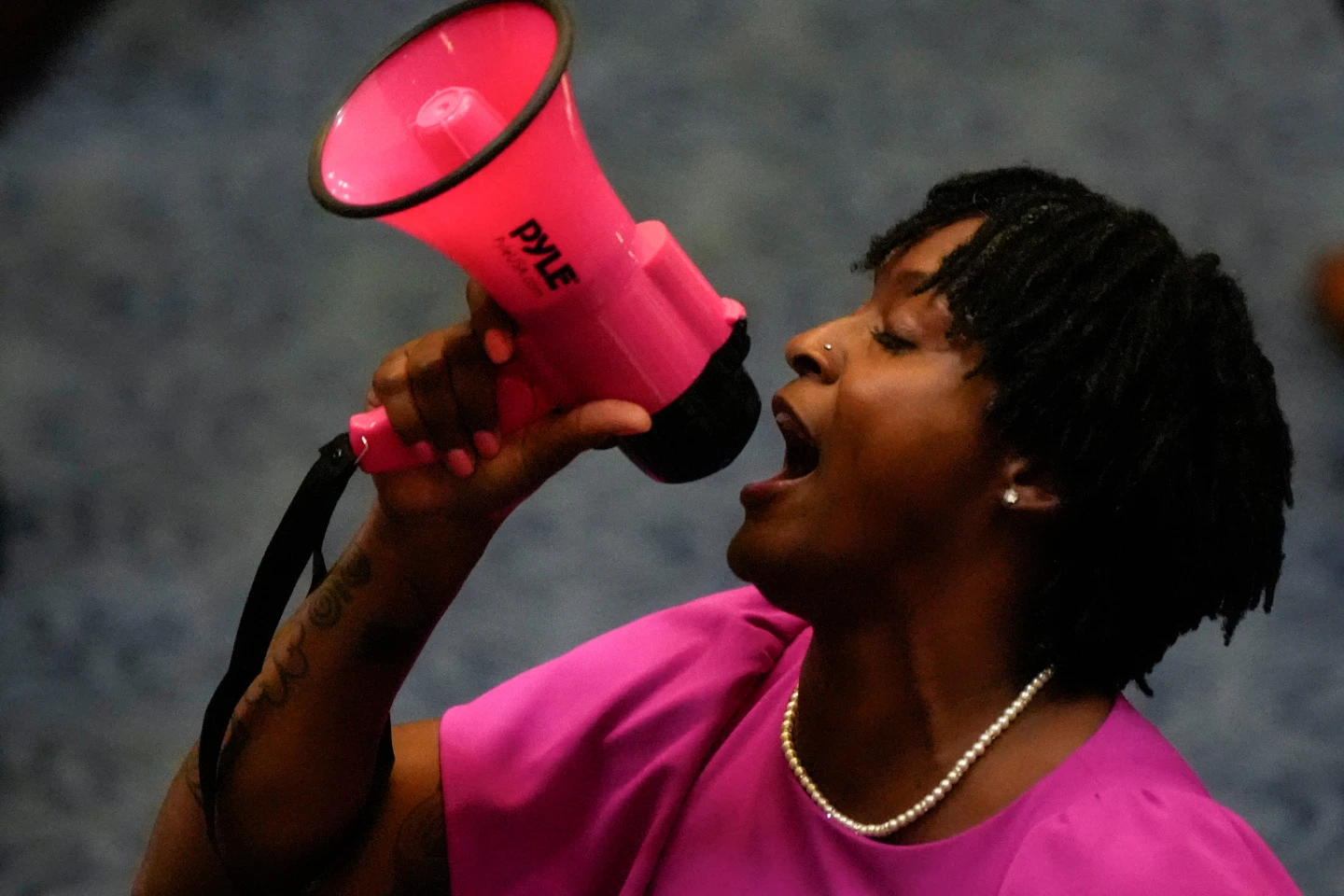
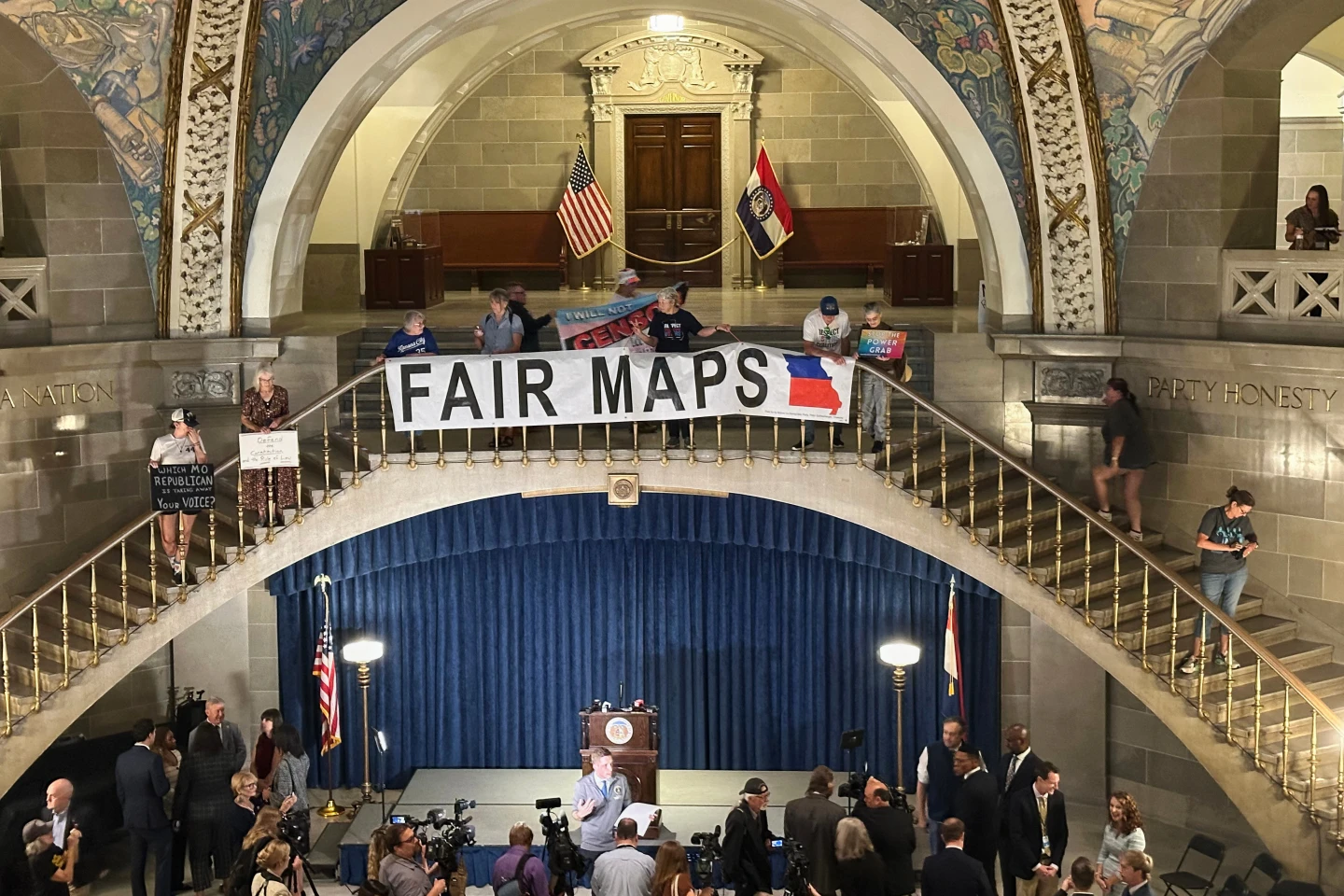
With ongoing protests from residents opposing power grabs in political mapping, calls for a return to fair representation resonate across our states, challenging lawmakers to reconsider their tactics amid a fiercely divided political landscape.