In brief
In South Africa, the rising prevalence of childhood obesity has sparked efforts among educators and campaigners to promote healthier food choices in schools and communities. Initiatives like those at the Kairos School of Inquiry emphasize whole foods and vegetarian diets, while challenges such as the growing influence of fast-food marketing and socioeconomic factors continue to impact children's health. Unicef has called for improved access to nutritious food and restrictions on unhealthy food advertising to children as society grapples with this public health crisis.
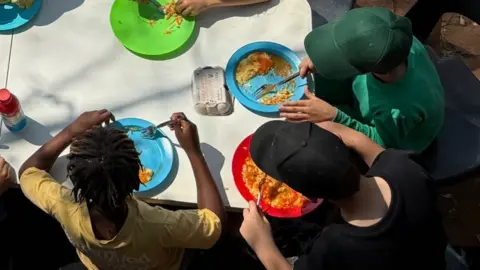
It's lunchtime in the leafy grounds of the Kairos School of Inquiry in Randburg, South Africa, where dozens of children line up excitedly for healthy meals, aiming to curb the rising trend of obesity.
The school's mainly vegetarian food policy, featuring meals like Kitchari—a mix of daal and rice—illustrates a proactive approach to combat the global surge of overweight children, which has now eclipsed underweight figures.
The United Nations reports a dramatic rise in obesity among children and teenagers over the past two decades, with 147 million children aged five to nine now classified as overweight. To counter this, parents at Kairos are encouraged to provide lunchboxes filled with whole foods.
Marc Loon, the headteacher, states that fostering awareness around healthy eating is pivotal for future generations, suggesting that if more schools adopted similar policies, the health outcomes would be greatly improved.
In addressing this issue, Unicef highlighted that the influx of convenient fast food options significantly contributes to increased obesity rates in developing countries, particularly as children often see such foods as treats.
Individuals like Mamkhabela Mthembu are becoming advocates for healthier lifestyles after experiencing personal health challenges linked to poor dietary choices made during their youth and schooling. Their stories highlight the need for increased awareness and community support surrounding childhood nutrition.
The fast food market in South Africa has flourished, now valued at over $2.7 billion, presenting a challenge to parents attempting to limit their children's intake of unhealthy food.
Despite the introduction of higher taxes on sugary drinks in 2018, the rise in obesity persists, with 22% of children under five now overweight or obese—a significant increase from previous years. Unicef is pushing for improved access to nutritious food and advocating against the marketing of unhealthy options to children.
As children at the Kairos School enjoy their wholesome lunches, the hope remains that with concerted efforts from schools, parents, and governments, society can turn the tide against childhood obesity and foster a healthier future.