In brief
The latest U.S. Dietary Guidelines encourage Americans to consume more whole foods and proteins while limiting processed foods and added sugars. Health Secretary Robert F. Kennedy Jr. emphasized the need to overhaul the U.S. food supply. The guidelines highlight the shift towards whole-food sources of saturated fat and increased protein recommendations, while the old advice to limit alcohol has been revised.
Americans are urged to eat more whole foods and protein, while decreasing consumption of highly processed foods and added sugars, according to the newly released 2025-2030 Dietary Guidelines for Americans. The guidelines were announced by Health Secretary Robert F. Kennedy Jr. and Agriculture Secretary Brooke Rollins as part of a broader initiative to transform the U.S. food landscape.
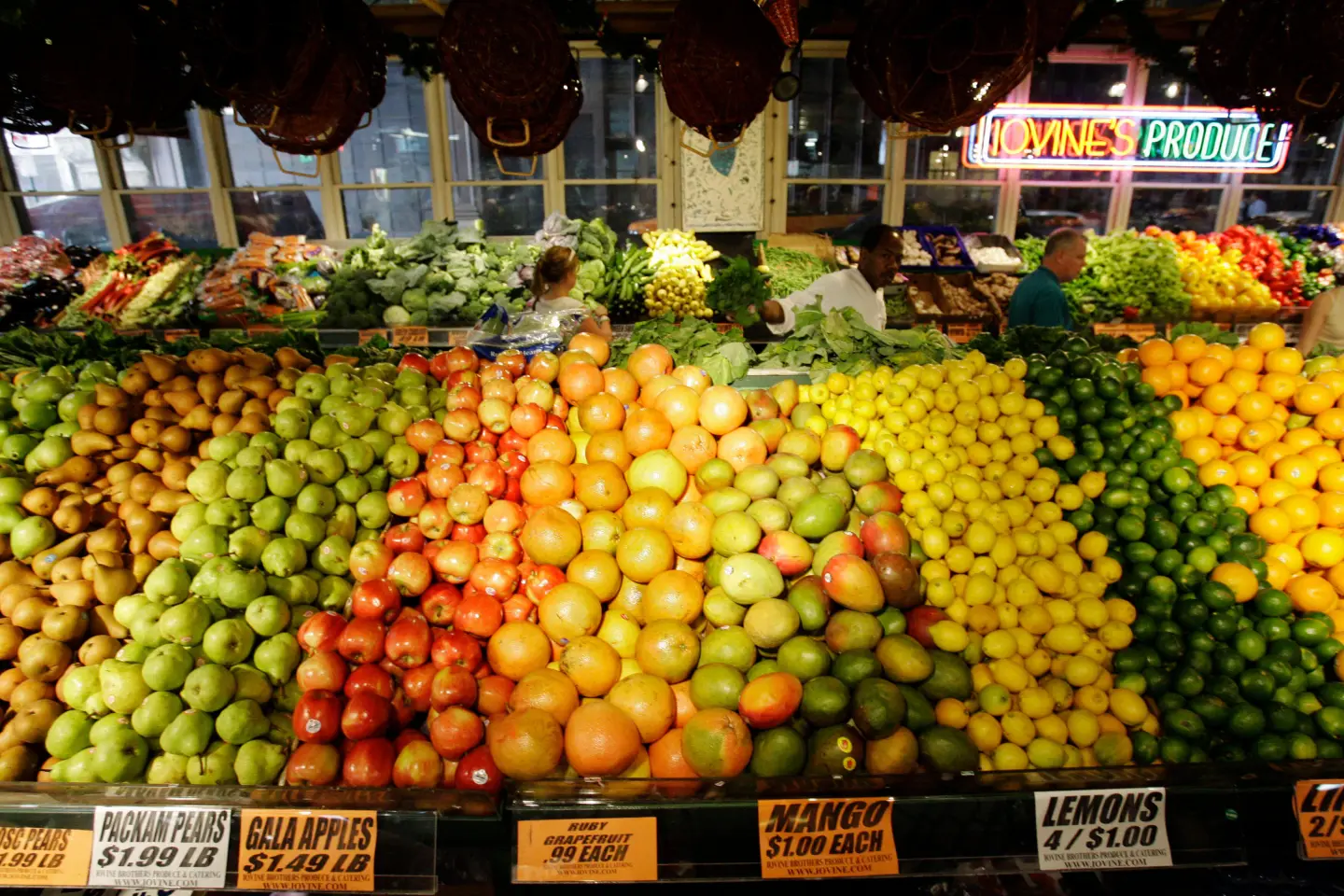
“Our message is clear: Eat real food,” Kennedy stated during a White House briefing, emphasizing the importance of fresh vegetables, whole grains, and dairy products as foundational elements of a healthy diet. The guidelines present a modernized approach to nutrition, showcasing a new graphic that inverts the traditional food pyramid, prioritizing protein, dairy, healthy fats, and fruits and vegetables.
For the first time, the guidelines highlight the need to avoid highly processed foods like chips, cookies, and candy, referring to these as contributors to chronic diseases. The recommendations resonate with efforts to combat obesity and diabetes, conditions affecting a significant portion of the U.S. population.
The guidelines continue to recommend limiting saturated fat intake to no more than 10% of daily calories but suggest a focus on whole-food sources of these fats, such as meats and whole-fat dairy, while easing restrictions on certain traditional fats. This reflects an acknowledgment of evolving nutritional science.
Praised by many nutrition experts, the new guidelines aim to reshape dietary habits and are expected to influence the National School Lunch Program significantly, which feeds approximately 30 million children daily. However, translating these recommendations into actionable food policies may take time.
In particular, the new guidelines recommend increasing protein consumption significantly, suggesting a shift to 1.2 to 1.6 grams of protein per kilogram of body weight. They also advise consumers to sharply limit added sugars, proposing that no meal should contain more than 10 grams of added sugars.
Overall, while the new dietary guidelines reflect a shift towards promoting whole foods, experts urge continued vigilance in the face of longstanding dietary challenges in the U.S.