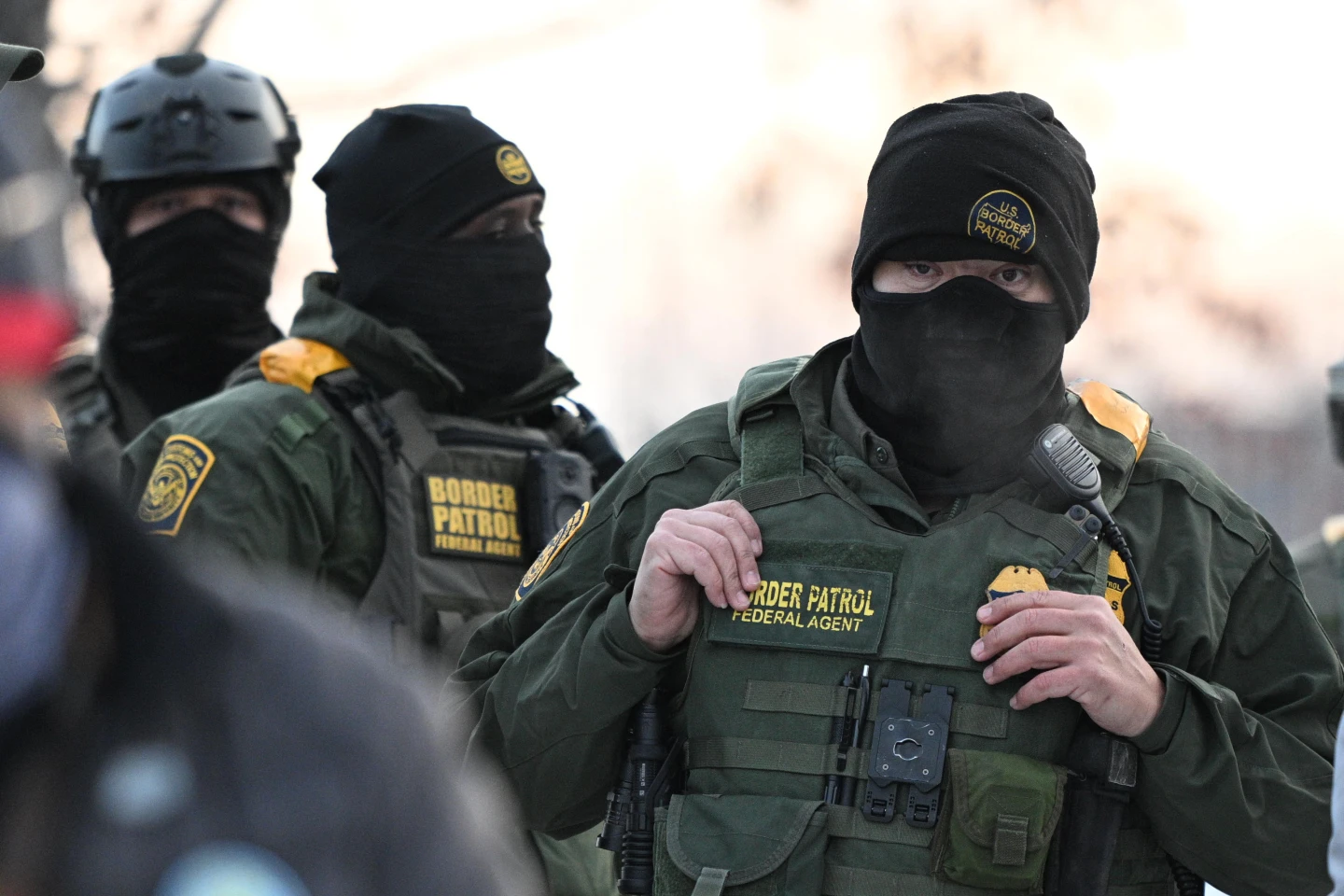
Proposals to prohibit federal immigration agents from masking their faces have gained new life in various states, sparked by a recent court ruling that halted California's ban on such practices.
After California's law was suspended, Washington State’s Democratic Governor Bob Ferguson is poised to enforce a new measure restricting facial coverings for law enforcement, which could ignite similar initiatives in other states.
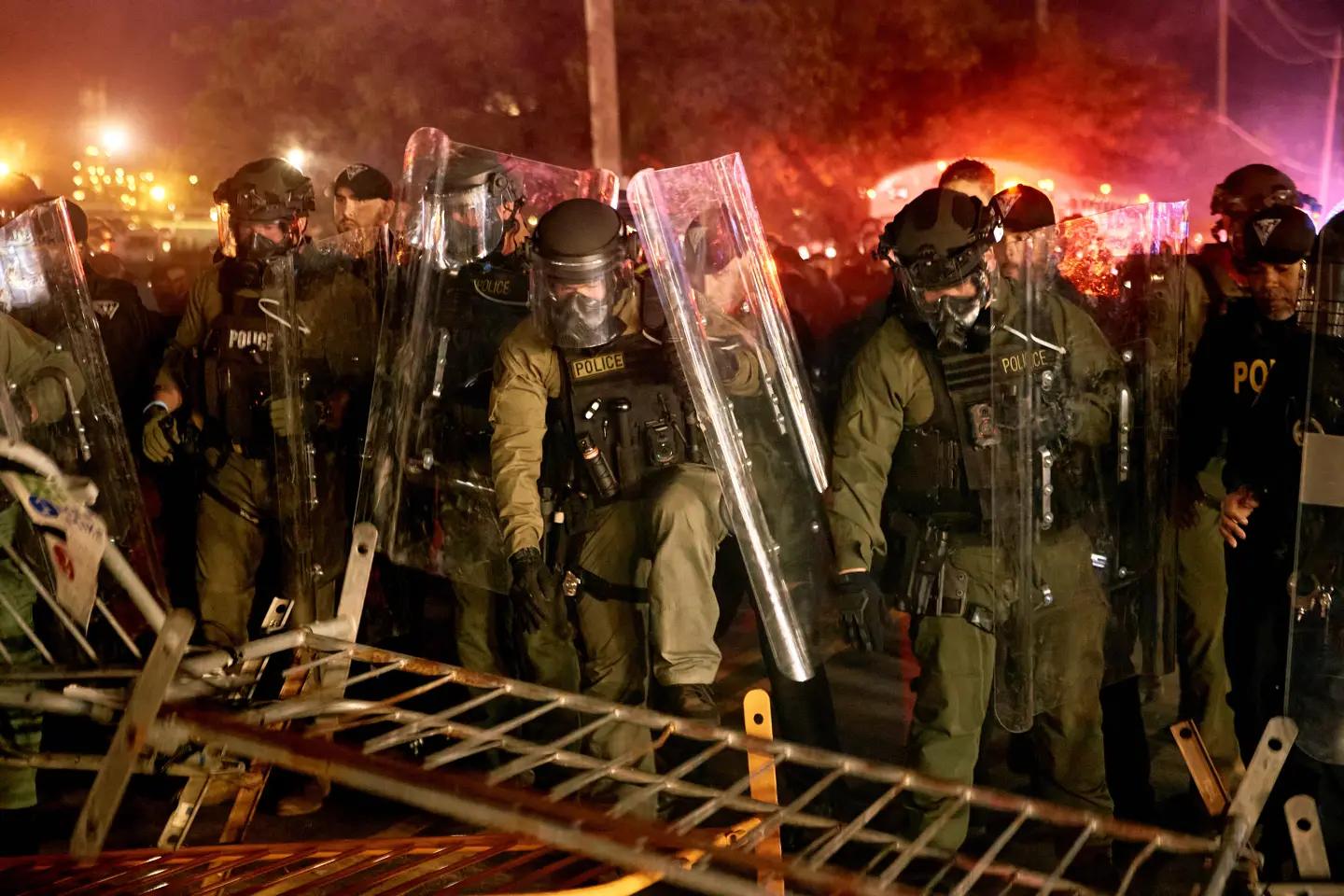
Legislatures in Oregon and Virginia have also advanced comparable anti-masking bills, while discussions are underway in Hawaii, Maryland, and Vermont. This legislative wave reflects a response to President Donald Trump’s enforcement strategies, where masked officers have been criticized for their aggressive tactics amid immigration crackdowns.
While the Department of Homeland Security has condemned this move, labeling it “irresponsible and unconstitutional”, advocates argue that public awareness is critical for accountability and trust in law enforcement.
A federal judge's ruling suggested that California's initial ban was discriminatory towards federal agents, underscoring the complex intersection of state law and federal authority. However, the new Washington measure aims to apply uniformly to all law enforcement to avoid such claims of bias.
In this climate, various stakeholders are weighing the implications of masking regulations for both public safety and officer protection. Supporters of the bans believe that clear identification is vital for accountability, while opponents express concerns regarding officer safety from potential retaliatory threats.
As the dialogue unfolds, it remains evident that the trajectory of law enforcement practices regarding facial coverings is likely to provoke ongoing debate across the U.S. legal landscape.