Earlier this week, a United Airlines flight came alarmingly close to a military Black Hawk helicopter while approaching John Wayne Airport in Southern California, igniting concerns over aviation safety. The incident transpired around 8:40 PM on Tuesday, prompting the Federal Aviation Administration (FAA) to launch an investigation. The passenger aircraft, with 162 passengers and six crew members onboard, halted its descent when the helicopter crossed its path, leveling off to avoid a potential collision.
This close call follows a tragic accident from over a year ago, when an American Airlines jet collided with an Army helicopter near Washington, D.C., resulting in the deaths of 67 individuals. This incident raised questions about flight paths and safety regulations intended to prevent such dangerous near misses.
Responding to increasing scrutiny, the FAA recently updated its policies, mandating that air traffic controllers utilize radar to guide both planes and helicopters in and around airports instead of relying solely on pilots' visual observations. Prior to this incident, controllers had asked helicopter pilots whether they could see the oncoming plane, allowing them to take evasive action.
In a statement regarding the near miss, the FAA confirmed it would investigate the latest occurrence to determine if the revised safety rules were appropriately applied. United Airlines corroborated the event, clarifying that their pilots acted upon traffic alerts provided by air traffic control, which cautioned them about the nearby helicopter and prompted the aircraft to level off to ensure safety.
The United flight reached its closest proximity to the helicopter at approximately 525 feet vertically and 1,422 feet laterally, according to data from FlightRadar24. Audio recordings from the traffic control tower indicate a controller inquiring immediately after the near miss whether the pilot had been informed about the helicopter. The pilot's response included acknowledgment of receiving a "resolution advisory," a significant collision avoidance alert from the aircraft's systems.
Following the event, a spokesperson for the California National Guard confirmed that the helicopter involved was engaged in routine training and maintained communication with air traffic control while operating at an assigned altitude. It remains unclear if there are new temporary restrictions on flight paths or helicopter training routes due to this recent close encounter.
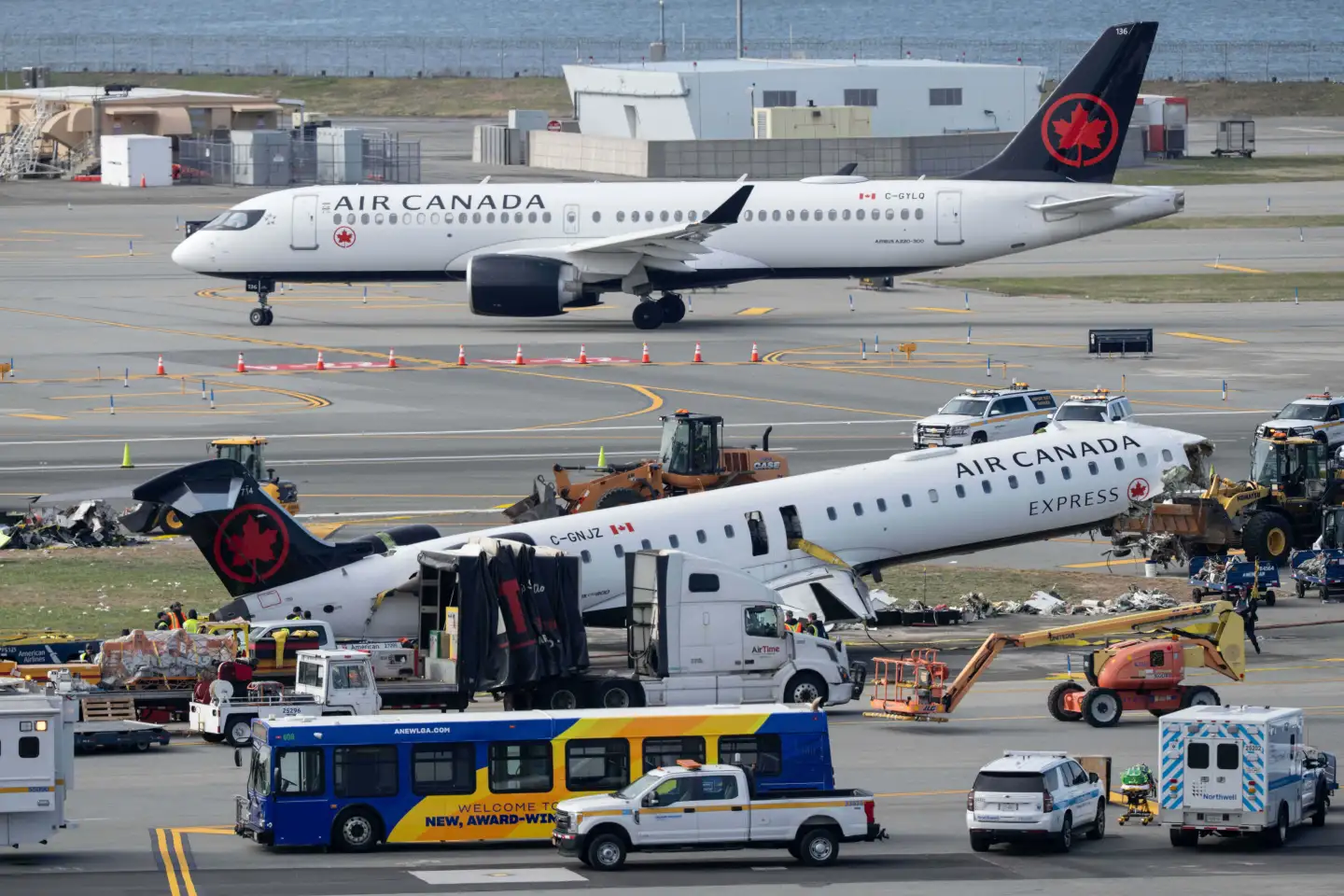
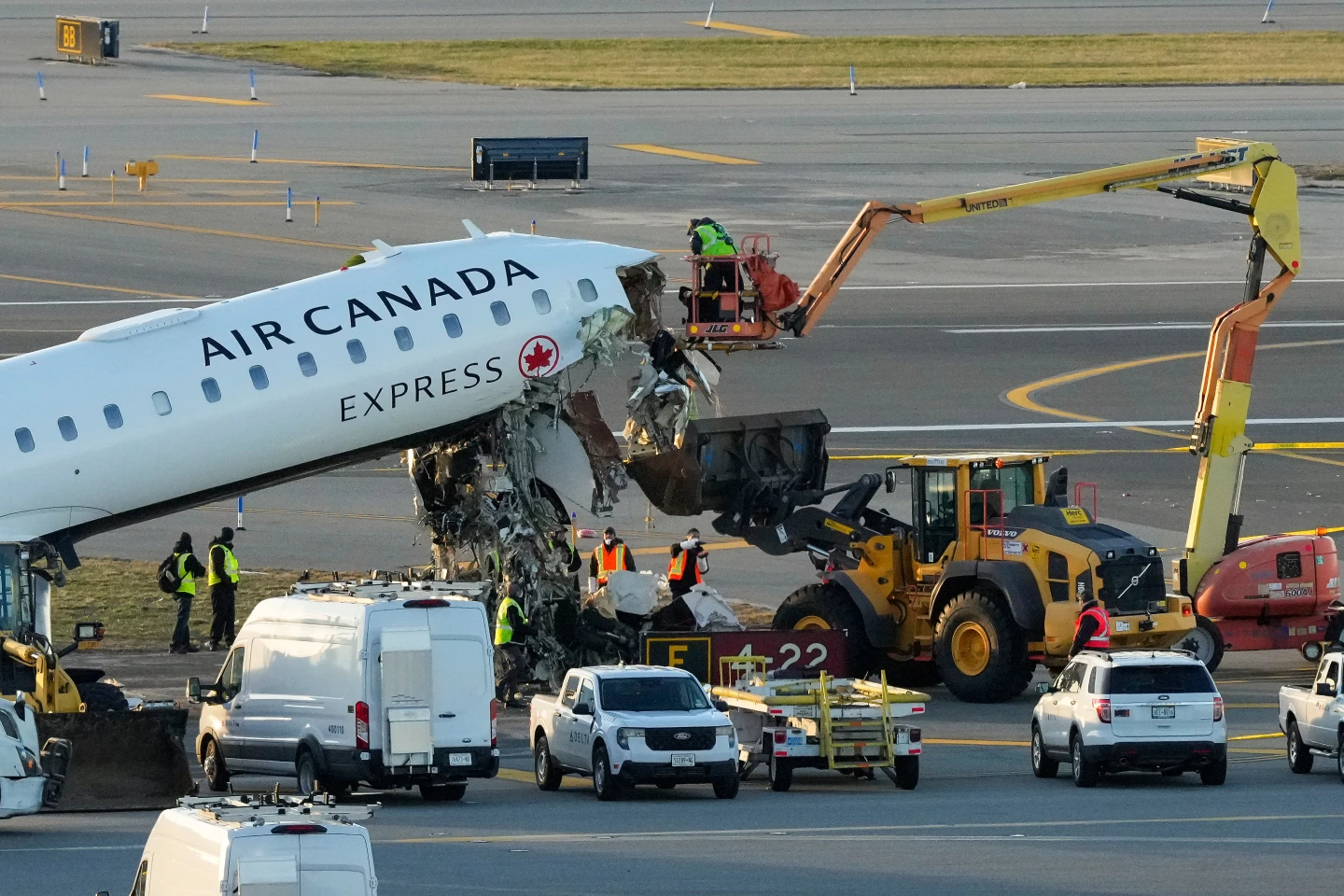
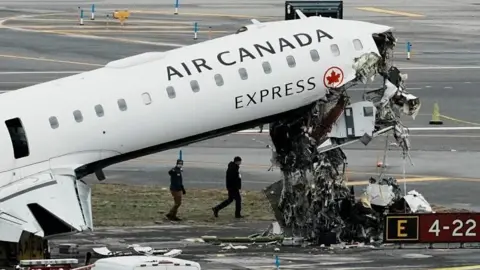
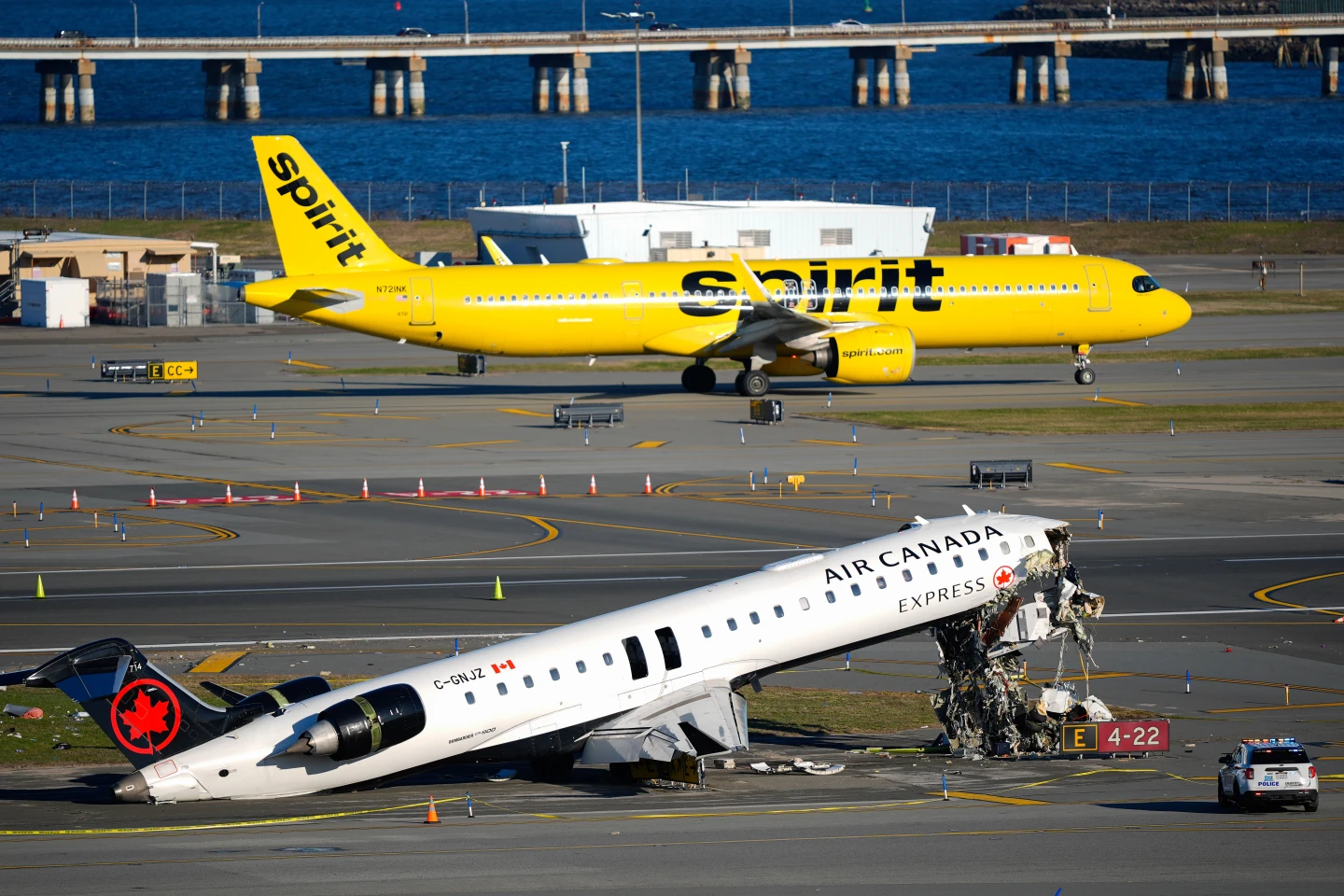
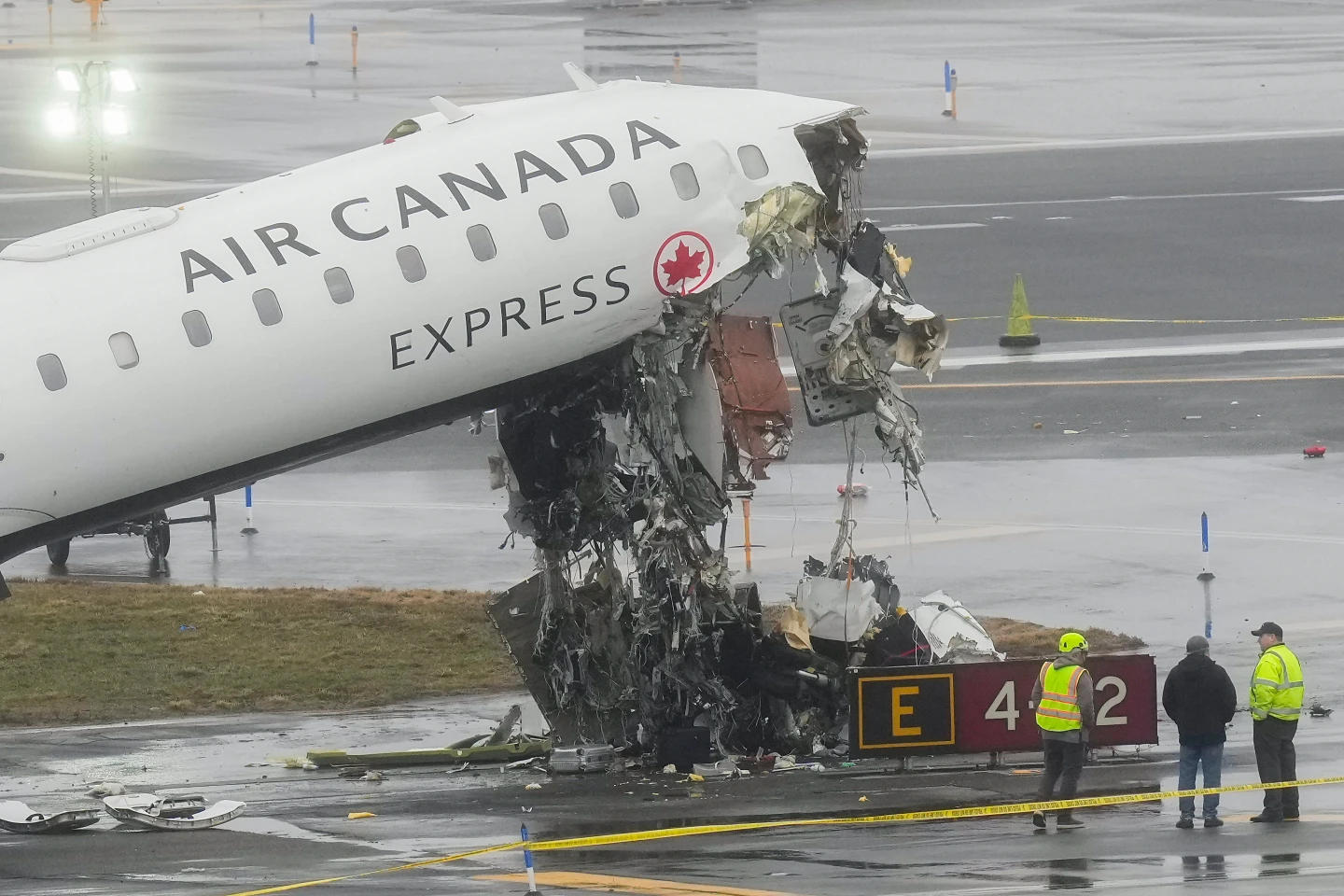
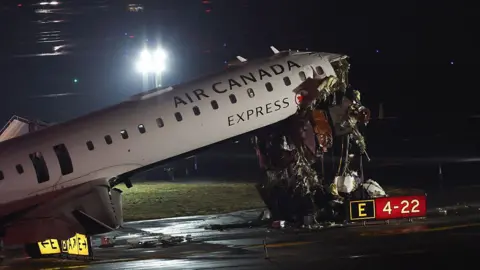
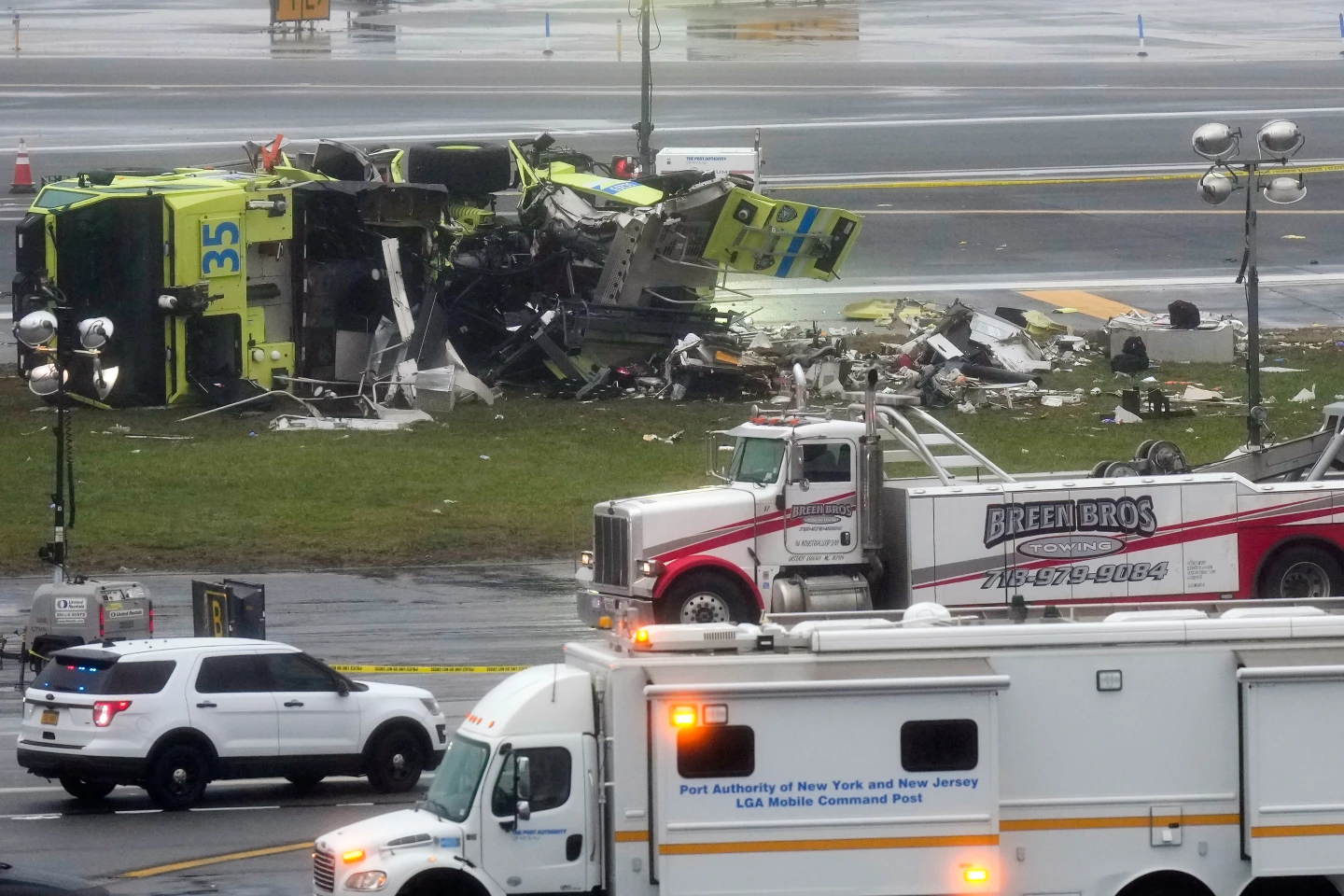
This incident occurred not long after a separate event at New York’s LaGuardia Airport, where an Air Canada jet collided with a fire truck on the runway, tragically resulting in the deaths of both pilots. The ongoing discussions around public safety in aviation continue to be crucial as multiple incidents prompt an urgent review of current protocols.
This close call follows a tragic accident from over a year ago, when an American Airlines jet collided with an Army helicopter near Washington, D.C., resulting in the deaths of 67 individuals. This incident raised questions about flight paths and safety regulations intended to prevent such dangerous near misses.
Responding to increasing scrutiny, the FAA recently updated its policies, mandating that air traffic controllers utilize radar to guide both planes and helicopters in and around airports instead of relying solely on pilots' visual observations. Prior to this incident, controllers had asked helicopter pilots whether they could see the oncoming plane, allowing them to take evasive action.
In a statement regarding the near miss, the FAA confirmed it would investigate the latest occurrence to determine if the revised safety rules were appropriately applied. United Airlines corroborated the event, clarifying that their pilots acted upon traffic alerts provided by air traffic control, which cautioned them about the nearby helicopter and prompted the aircraft to level off to ensure safety.
The United flight reached its closest proximity to the helicopter at approximately 525 feet vertically and 1,422 feet laterally, according to data from FlightRadar24. Audio recordings from the traffic control tower indicate a controller inquiring immediately after the near miss whether the pilot had been informed about the helicopter. The pilot's response included acknowledgment of receiving a "resolution advisory," a significant collision avoidance alert from the aircraft's systems.
Following the event, a spokesperson for the California National Guard confirmed that the helicopter involved was engaged in routine training and maintained communication with air traffic control while operating at an assigned altitude. It remains unclear if there are new temporary restrictions on flight paths or helicopter training routes due to this recent close encounter.
This incident occurred not long after a separate event at New York’s LaGuardia Airport, where an Air Canada jet collided with a fire truck on the runway, tragically resulting in the deaths of both pilots. The ongoing discussions around public safety in aviation continue to be crucial as multiple incidents prompt an urgent review of current protocols.