In brief
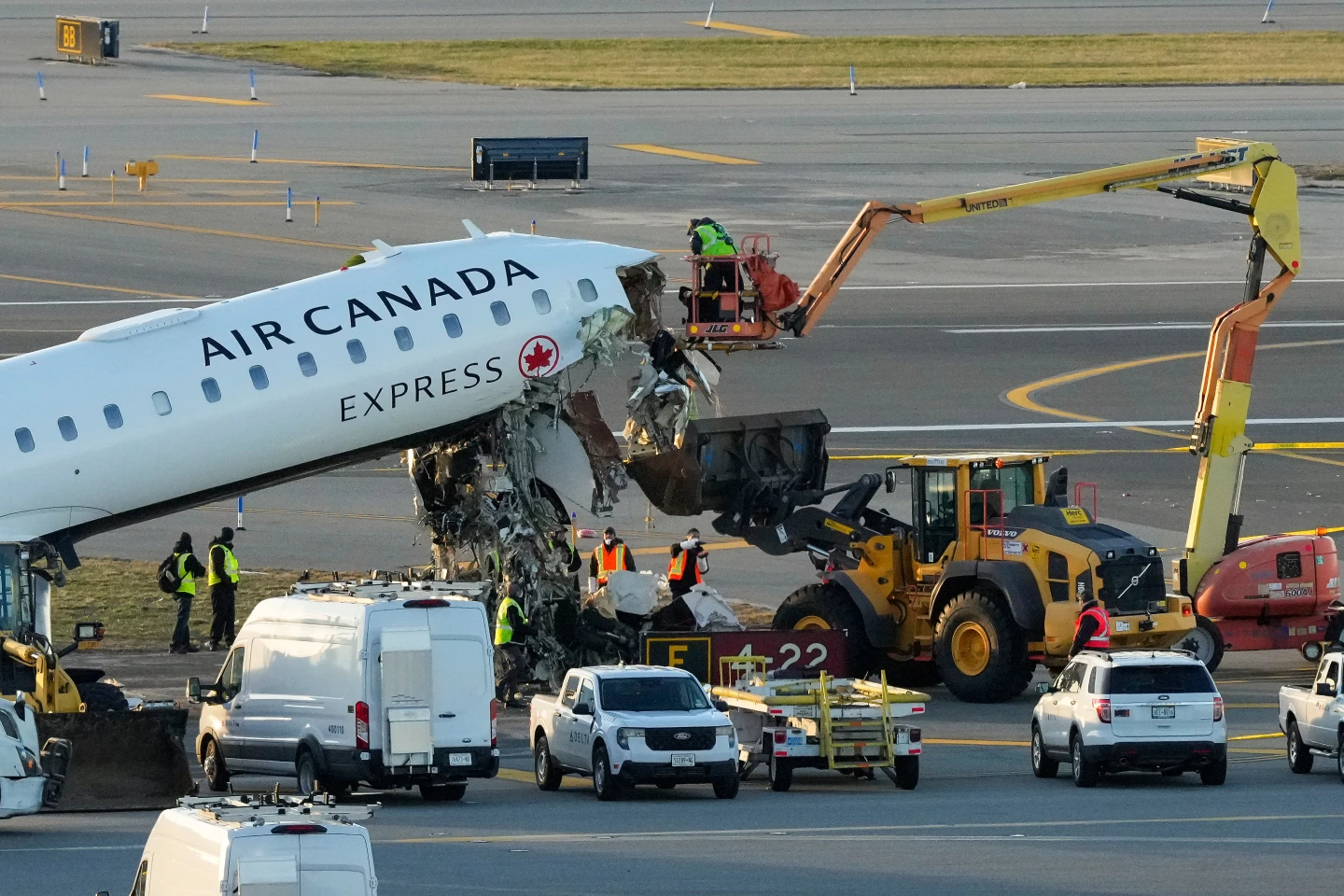
The National Transportation Safety Board (NTSB) has initiated an investigation into a tragic collision at New York's LaGuardia Airport, where an Air Canada jet struck a fire truck during landing, resulting in the deaths of both pilots and injuries to many. Critical safety systems at the airport failed to prevent the incident, which occurred just seconds after the truck had been cleared to cross the runway. The NTSB will focus on understanding the events leading to this serious safety breach and evaluating the existing protocols and technologies intended to prevent runway incursions.
The systems designed to prevent collisions at LaGuardia Airport failed during a recent incident in which an Air Canada jet collided with a fire truck that had just entered the runway. The National Transportation Safety Board (NTSB) is investigating the crash that claimed the lives of both pilots and left multiple individuals injured.
The air traffic controller on duty had given the fire truck clearance to cross the runway just 12 seconds before the aircraft touched down. Urgent calls for the truck to halt just prior to impact did not prevent the collision.
NTSB officials indicate that several factors likely contributed to the accident, and they are in the process of interviewing witnesses and analyzing the wreckage. The aircraft involved was transported to a secured hangar for comprehensive examination. Understanding the malfunction of crucial safety systems is of primary importance.
Failure of Essential Safety Systems
Among the critical technologies in use at LaGuardia is the Airport Surface Detection Equipment, known as ASDE-X, which combines radar imagery with information from aircraft and ground vehicle transponders to provide real-time data to air traffic control. This system has previously been credited with averting incidents at other airports, but its failure during this accident raises serious questions regarding its reliability.
Potential Oversights in Emergency Protocols
NTSB Chairwoman Jennifer Homendy commented that the system did not activate the collision warning alarms in this case, potentially due to a lack of data from the fire truck, which lacked a transponder that would provide specific location details to the ASDE system.
Additionally, multiple emergency vehicles at the taxiway complicated the system’s predictive ability as it struggled to assess this dynamic situation accurately. Even if warnings had sounded, it remains uncertain they would have been issued significantly earlier than the controller's last-minute attempts to prevent the collision.
Regulatory Oversight and Future Improvements
As investigations continue, officials will also examine the runway lighting systems designed to signal when an aircraft is landing. Evaluating the functionality and reliability of these layered safety measures is critical in understanding how to prevent future occurrences. There are no fail-safe systems in aviation—each layer stands in tandem to reduce the risk; however, as this tragic incident illustrates, the task is ongoing.