In brief
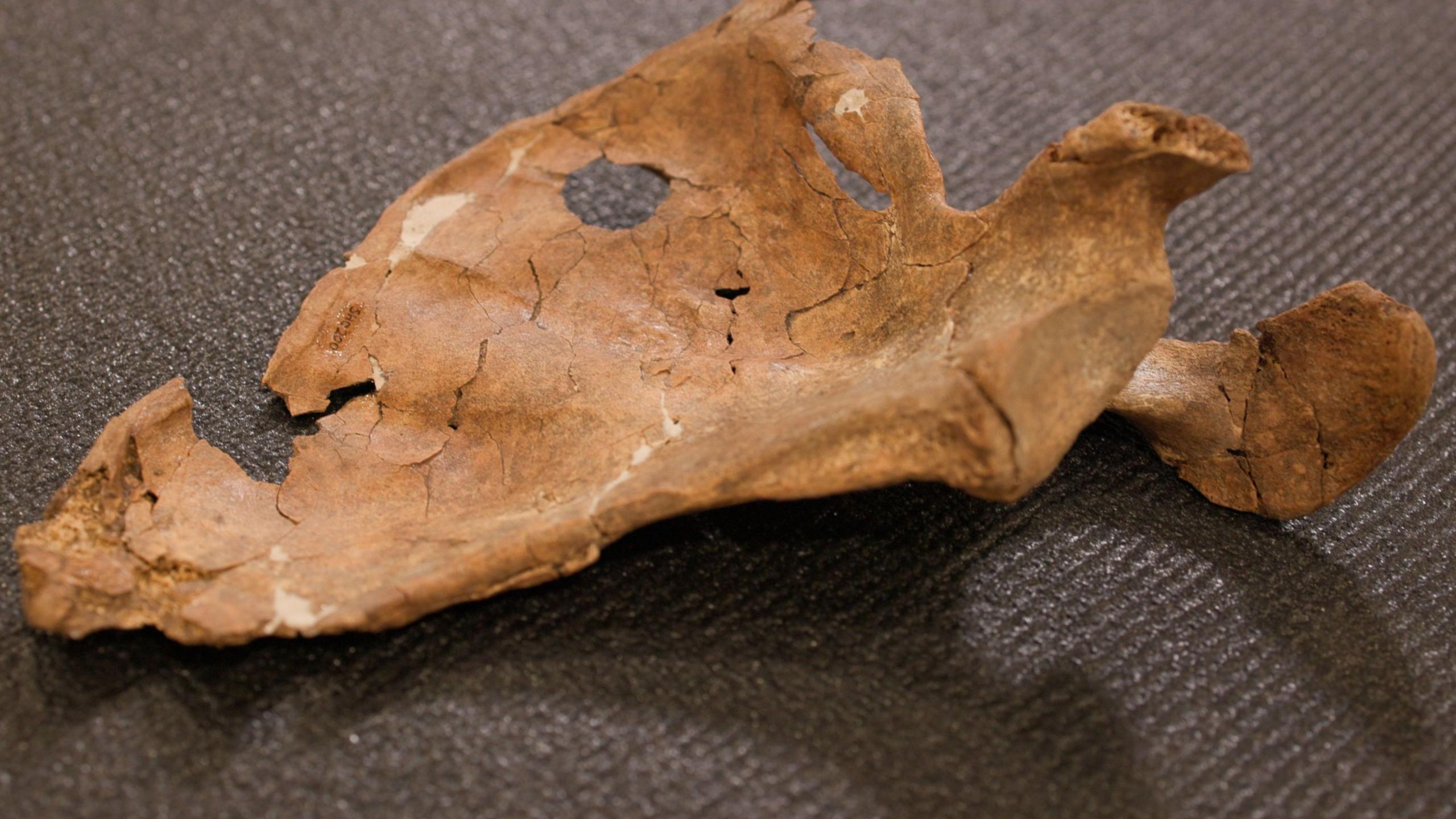
Archaeologists uncovered a 15mm circular wound on a Neanderthal shoulder blade from Shanidar Cave, Iraq, pointing to a possible lethal wooden spear attack 75,000 years ago. The precise trajectory suggests the projectile passed through the chest, damaging vital organs, before exiting the shoulder. This find adds to a growing body of evidence that human‑on‑human violence was far older and more common than once believed. The discovery echoes earlier injuries at Shanidar and the Pit of Bones in Spain, where skull wounds illustrate that interpersonal aggression predates farming. While the exact circumstances remain debated, scientists lean toward intentional violence as the most plausible explanation.
Scientists studying remains from Shanidar Cave in northern Iraq described a 15‑millimetre, almost perfect circle in the left shoulder blade of a Neanderthal that died roughly 75,000 years ago. The shape and size of the wound match a ballistic test of a sharpened wooden spear, leading researchers to suspect that the individual was hit in the chest, suffering fatal lung or vascular damage before the spear exited the shoulder.
The Discovery In Context
Shanidar Cave has yielded over a dozen Neanderthal skeletons, most of which show no bone trauma. The Shanidar A specimen—named after the cave—stands out because only one other witness from the same site, studied in 1957, also displayed a healed rib wound left by a stone spear.
The new 2026 report highlights that the wound’s entrance on the shoulder blade indicates a straight‑line trajectory through the torso, a pattern unusual for accidental fractures but typical of directed blows. Experimental replicas with wooden spears produce almost identical circular holes in bone.
What This Suggests About Neanderthal Societies
Neanderthals went extinct about 40,000 years ago, but this shallow wound suggests that their communities may have engaged in lethal interpersonal conflict more often than previously believed. While the authors stay cautious—allowing for possibilities such as hunting accidents or “friendly fire”—expert commentators argue that a hostile encounter remains the most plausible cause given the wound’s trajectory.
The finding dovetails with other early evidence of violence. A 2022 study of Neanderthal skulls from “Pit of Bones” in northern Spain uncovered 57 healed head injuries and nine potentially fatal fractures, pointing to recurrent killings well before the advent of agriculture.
Beyond the Cave: Broader Implications
These artifacts suggest that individual violence predates settled farming communities, challenging the long‑held view that organized war began only when people occupied permanent villages. The debate in the anthropological community now centers on how often such lone incidents happened and when they might have evolved into group‑level conflicts.
As more sites uncover similar wounds, the picture that emerges is of an early human world where lethal violence was a more common, though not universal, feature of life.
Source: BBC News 15 Oct 2026; report in scientific journal Scientific Reports.