For many American Jews, keeping pace with current events has become emotionally challenging. There exists a shared anger at the rising tide of antisemitic incidents, juxtaposed against internal disagreements on the response to Israeli policies in the tumultuous Middle East.
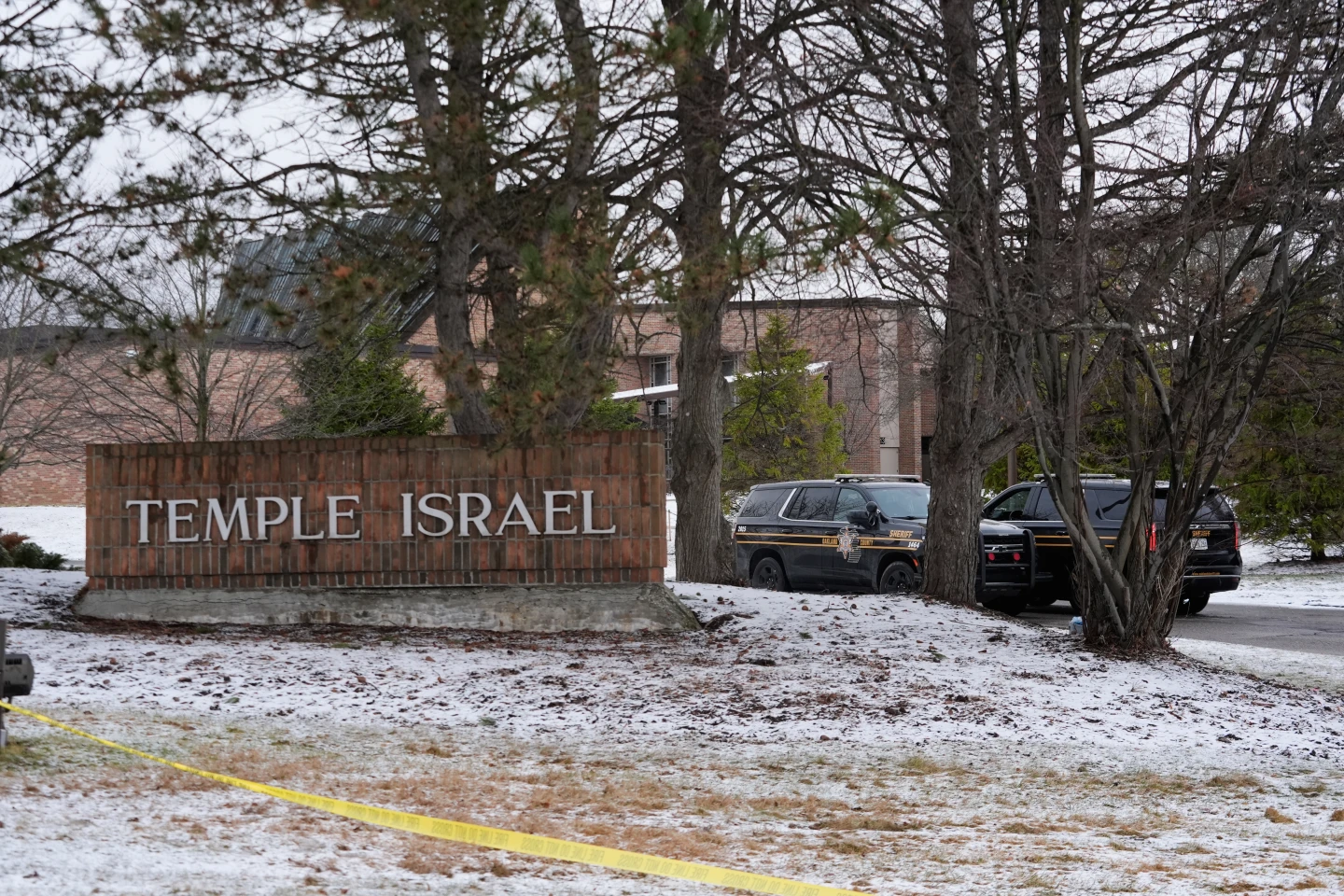
A recent example of this anger manifested itself during a unified outcry against the heinous attack on a synagogue in Michigan, where a man plowed his vehicle through a congregation with children attending preschool. This individual, mourning losses from the Israeli-Lebanon conflict, ultimately took his own life after engaging with a guard. Rabbi Rick Jacobs emphasized the peril of holding American Jews accountable for external conflicts, highlighting that dissent against a foreign government should not lead to violence directed at Jewish institutions.
Jews are embroiled in a complex discussion, one exemplified by author Peter Beinart, who condemned the attack while vocally criticizing Israeli actions in Gaza and the West Bank. He posits that the cultural bonds of identity should not translate into collective guilt for the actions of a state.
A debate stirs not only around antisemites reframing their bigotry but also over the representation of pro-Israel sentiments among synagogues. Beinart argued that visible displays of solidarity can endanger congregants, a notion contradicted by others who believe in the freedom to express beliefs, regardless of potential conflict.
This climate has induced various voices, including representatives from both Conservative and Orthodox movements, to reflect on their place within a collective identity that persists despite political disagreements. They argue against scapegoating based on national actions, likening such blame to broader historical injustices experienced by Jews globally.
As communities band together against the rising antisemitism, they also seek to fortify their traditional beliefs, nurturing the connection to their homeland while remaining vocal critics of governmental actions. The emerging challenge continues to be the discernment between antisemitism and legitimate critique of Israel, a distinction essential for the safety and unity of Jewish communities in America.