In brief
Private well owners in the U.S., numbering around 40 million, face significant risks from PFAS, or 'forever chemicals.' Despite federal regulations on public water supplies, private wells often go unmonitored, leaving homeowners unaware of contamination. In various states, regulations vary widely, with some proactive in testing while others lack clear policies, exposing residents to potential health risks including cancers and developmental delays without sufficient support or resources.
STELLA, Wis. (AP) — An alarming number of Americans, approximately 40 million, depend on private wells for their drinking water, rendering them highly susceptible to harmful chemicals, particularly PFAS, often referred to as ‘forever chemicals.’ Unfortunately, these residents are frequently the last to discover if their water is contaminated, a problem that can take years to remediate.
The federal government has established strict limits on PFAS in drinking water supplied by public utilities but these guidelines do not extend to private wells, leaving residents near industrial sites blind to potential contamination.
PFAS are notably resistant to degradation, meaning they accumulate in the environment and are commonly found in everyday products like waterproof textiles and firefighting foam. Research links them to grave health issues, including increased cancer risks and developmental delays in children.
Regulatory Gaps and Community Impact
Restoring safe water for private well owners is a challenge. Each household must be individually addressed, leaving some residents unsupported as agreements are negotiated among lawyers, companies, and regulators. For instance, the village of Peshtigo, Wisconsin dealt with PFAS contamination from a nearby manufacturing plant, revealing disparities in assistance between residents.
State-Dependent Regulations
A lack of national regulations on PFAS in private wells places responsibility at the state level, resulting in significant variations in how well contamination is monitored. At least 20 states do not conduct routine PFAS testing outside known problem areas, meaning communities in these regions can remain unaware of hazardous levels of contamination.
Contrast this with states like Michigan, where authorities are proactive in testing groundwater and providing financial resources for residents near contamination hotspots, a stark difference for those in regions with little to no oversight of private well safety.
Community Responses
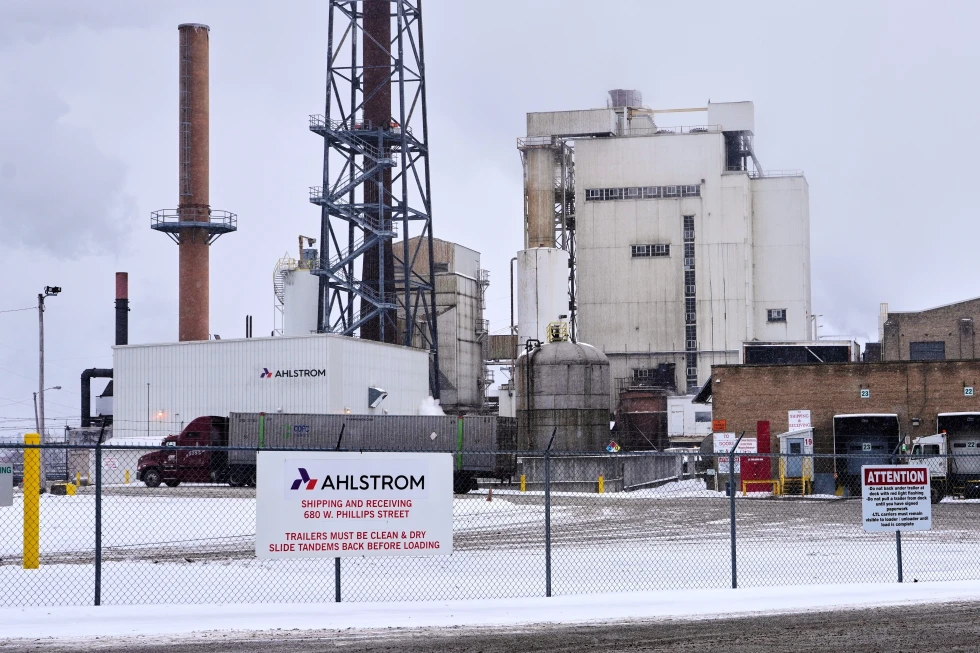
A startling case emerged in a Wisconsin town where locals discovered their well water contained PFAS levels thousands of times over federal safety limits, igniting a community crisis. Investigations traced the contamination to a paper mill that had previously spread PFAS-laden waste on local farmland—a practice permitted long before the dangers were recognized.
The findings have left residents concerned about the implications for their families after years of consuming contaminated water. As states grapple with regulatory responses, the impact of PFAS continues to leak into the lives of those reliant on private well water.