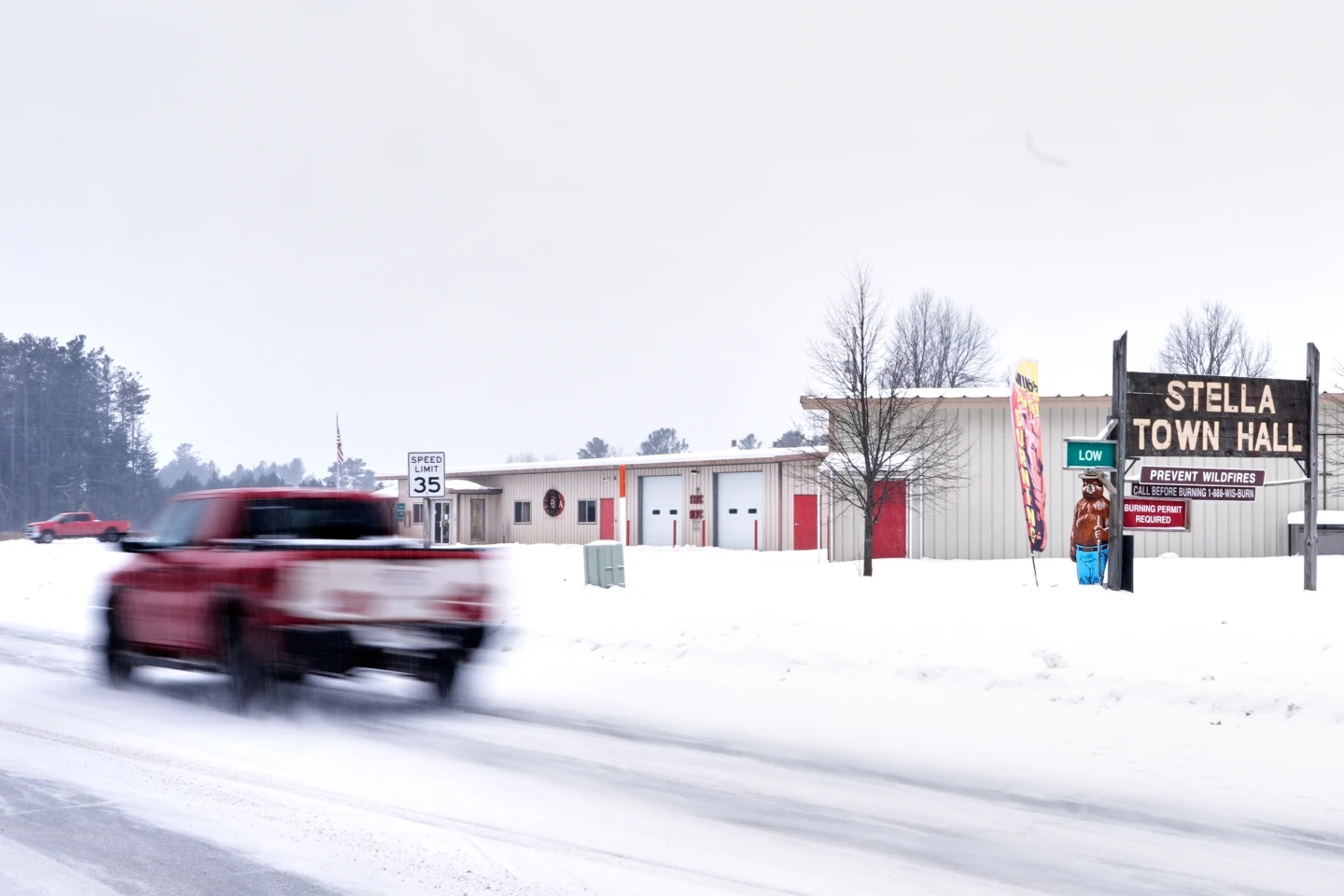
STELLA, Wis. (AP) — A small decision in 2022 by Kristen Hanneman triggered a significant disruption for her community. State scientists were testing private drinking water wells throughout Wisconsin for harmful chemicals known as PFAS. The offer to test her well outside the farmhouse she shares with her three kids prompted her to participate without overthinking.
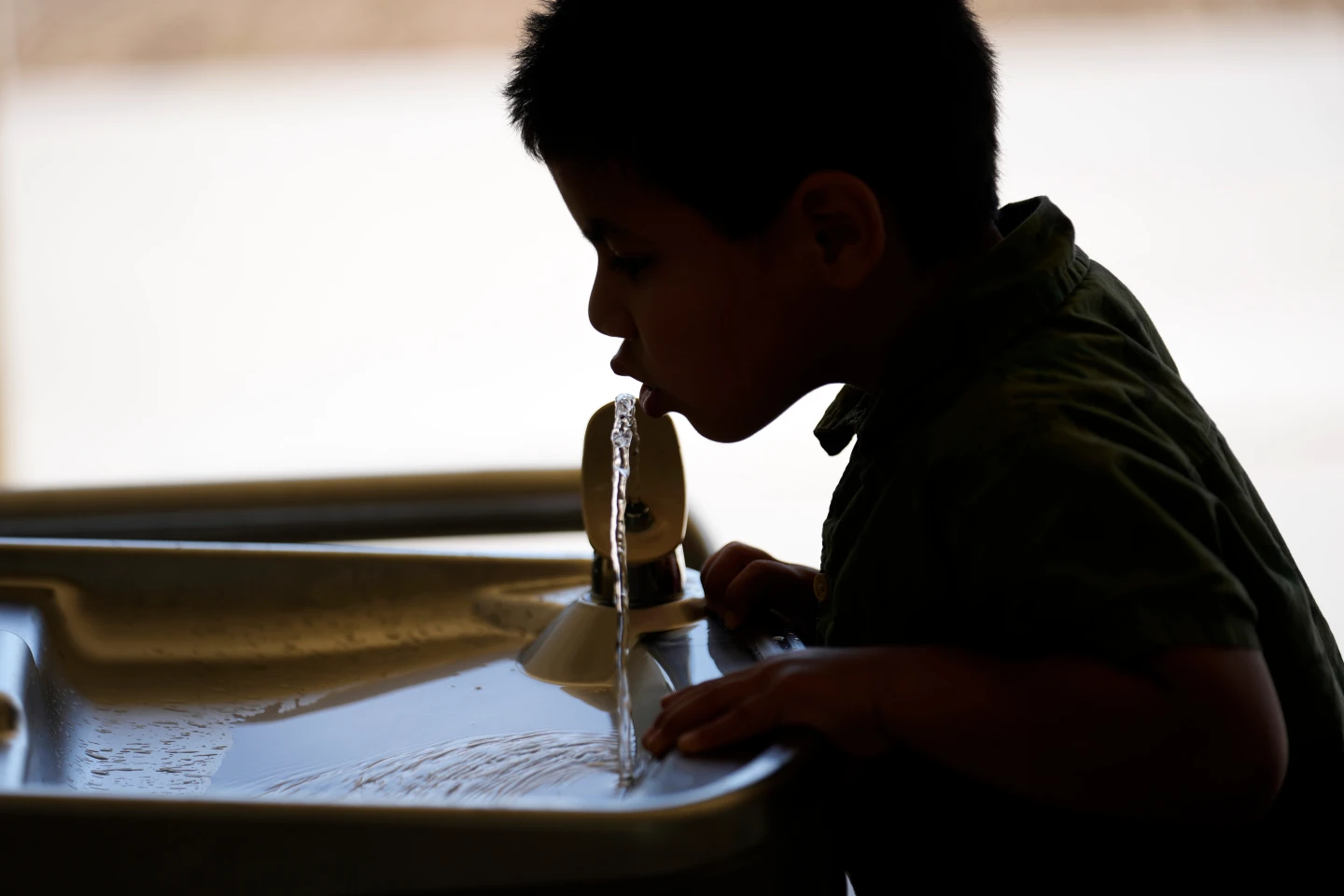
Months later, she received a disturbing phone call from a state toxicologist, advising her to stop consuming her home’s water immediately. Tests revealed her well contained PFAS levels far exceeding federal limits, marking a troubling trend for the region.
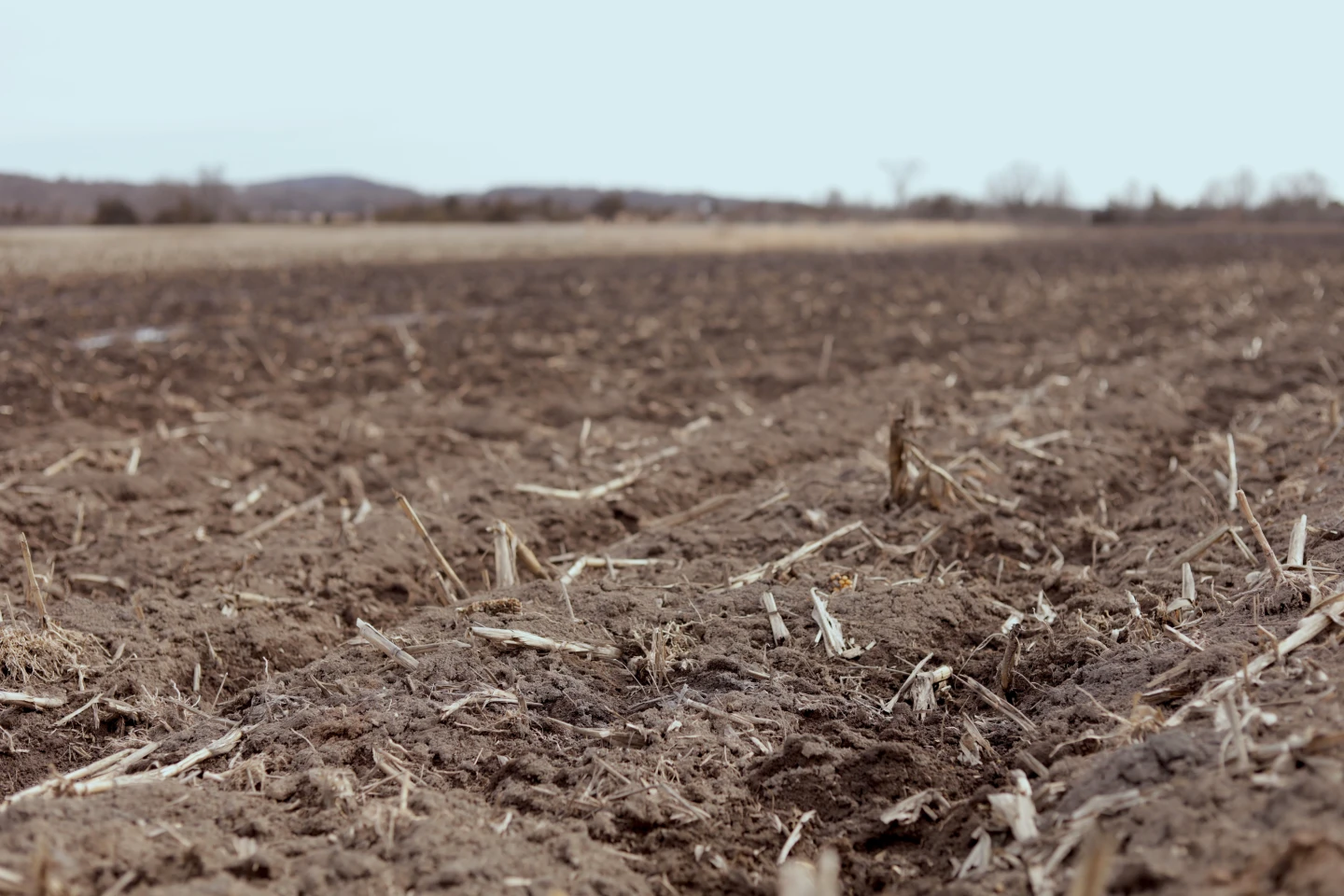
The picturesque landscapes surrounding Stella, once the envy of outdoor enthusiasts, now bear the alarming specter of contamination. Fishing in local lakes or hunting in nearby woods has become fraught with health risks, as officials advise residents to limit consumption of local game and fish.
Selling property is nearly impossible for residents facing water contamination, leaving many trapped in homes that no longer feel safe to raise families. Hanneman reflects, Had I just thrown that survey in the garbage, would any of this be where it is today? This sentiment of regret permeates the community as residents forge new realities amidst the crisis.
Stella’s situation sheds light on a national problem. Studies suggest as many as fifty percent of U.S. households may unknowingly be consuming contaminated water, particularly in rural areas where private wells are common.
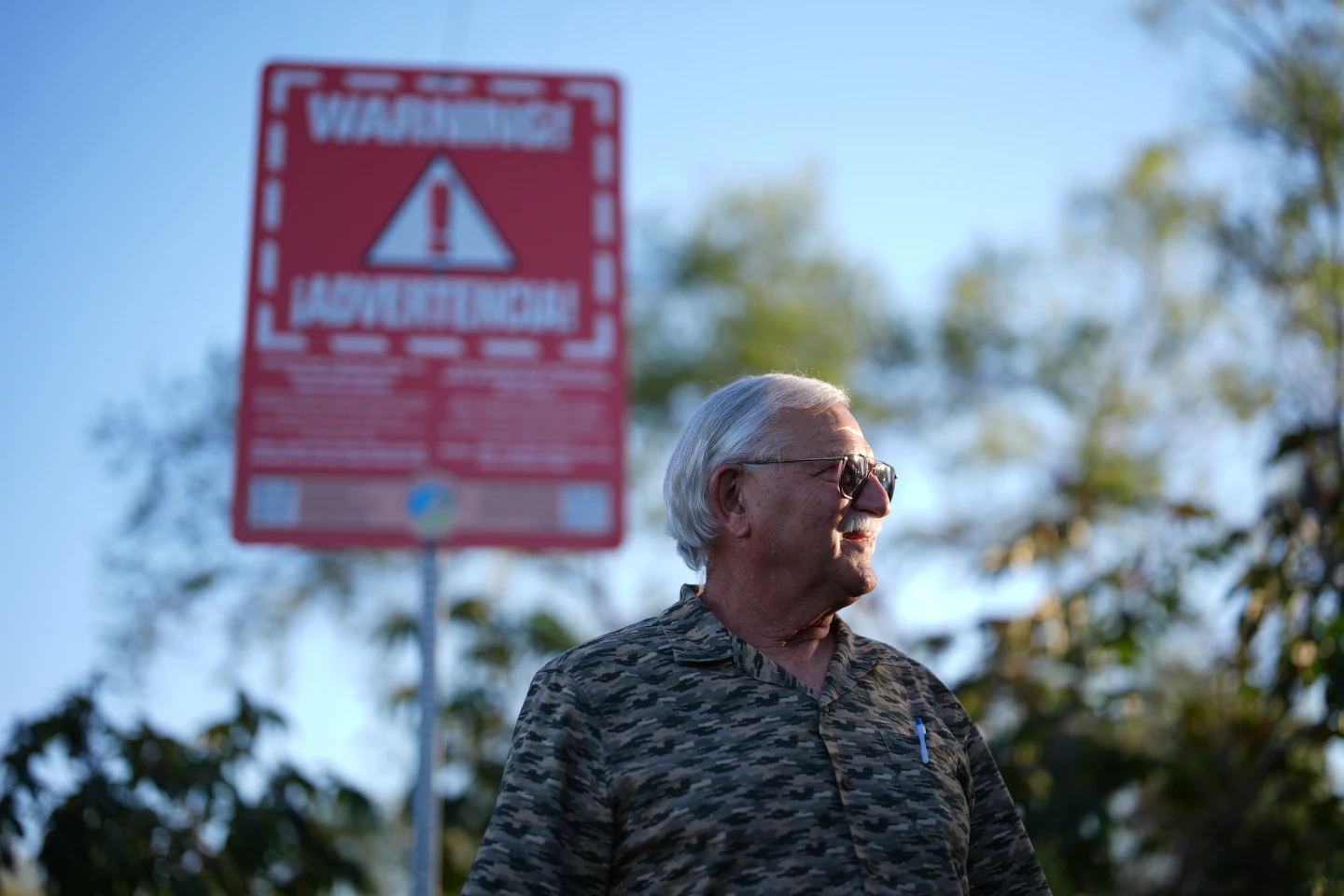
In Wisconsin, the expansive testing revealed widespread PFAS levels near an industrial paper mill and military bases, pointing to years of unregulated use of these hazardous substances. With a troubling lack of federal regulations governing private well testing, many families are left unaware of the lurking dangers in their drinking water.
As state officials grapple with health repercussions and remediation efforts, the road ahead remains uncertain. Residents continue to seek answers as they navigate the complexities of environmental accountability and their own health and safety.
Stella could be just the tip of the iceberg in a nationwide challenge where the dangers of PFAS remain hidden, leaving countless communities at risk and countless families in search of clean, safe drinking water.