In brief
In the aftermath of Los Angeles' most destructive wildfires, residents of Altadena are fighting against contaminants left in their homes, with toxic substances like lead posing serious health risks. Many families are forced to return to their residences despite insufficient cleaning and inadequate insurance coverage for comprehensive remediation, raising concerns about long-term health impacts. Community efforts highlight the ongoing struggles of these homeowners as they confront the dual challenges of physical and mental recovery.
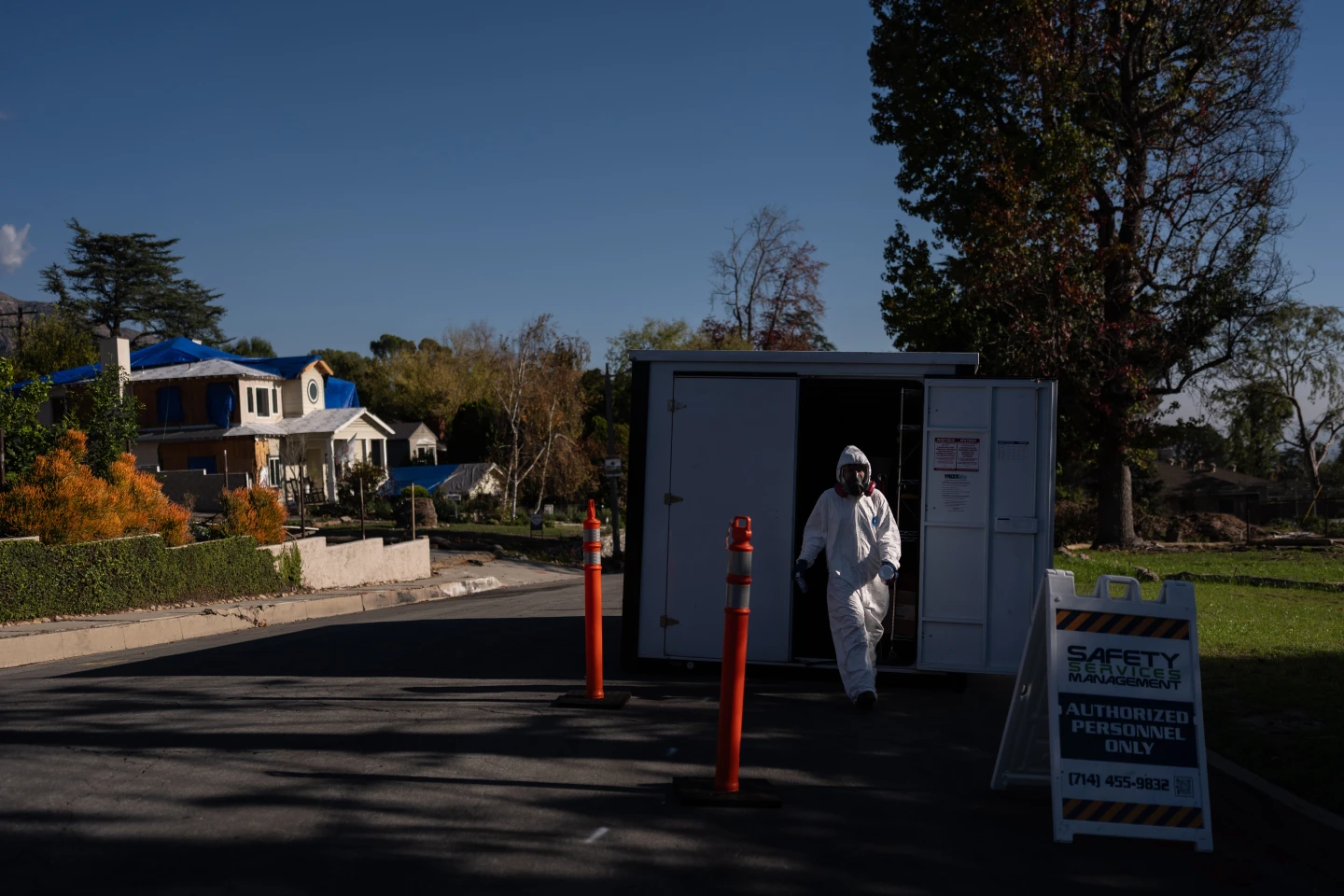
ALTADENA, Calif. — Signs warning of toxic lead contamination greet residents returning to their homes in Altadena, California, one year after wildfires ravaged the area. The fires, which began on January 7, 2025, were among the most destructive in Los Angeles history, claiming over 30 lives and displacing thousands.
As residents sift through the remnants of their lives, many find themselves in a toxic soup of ash containing harmful substances like heavy metals and carcinogenic organic compounds. In a desperate scramble for safety, homeowners are hiring hazardous waste workers while wearing masks, gloves, and protective suits in an effort to clean their homes.
The long-term health effects of exposure to contaminants from urban wildfires are uncertain, with scientists raising alarms about substances linked to respiratory diseases and neurodegenerative disorders. Many residents, like Nina and Billy Malone, have returned home only to face worsening health symptoms, including sore throats and respiratory issues, exacerbated by the lingering toxins.
A November report from local volunteers revealed shocking statistics: nearly 60% of homes sampled revealed hazardous levels of lead—levels significantly above EPA guidelines. This reality forces residents back into homes they no longer feel safe in, as they confront the emotional and financial toll of inadequate insurance support.
Julie Lawson describes the trauma of living in a community still reeling from the fires, a sentiment echoed throughout Altadena. Families are struggling not only against environmental hazards but also against the mental strain of dealing with insurance battles and concerns for their children’s health.
Experts caution that vulnerable populations, particularly pregnant women and small children, need to be safeguarded from exposure to lead and other toxins. As communities rally together to address these challenges, the push for regulatory changes regarding insurance practices is growing.
Meanwhile, residents like Nina and Billy grapple with the uncertainty of their home's safety and their emotional well-being, facing a long road to recovery. We have to live in the scar, said Lawson, capturing the enduring pain and resilience of a community in crisis.