In brief
South Korean prosecutors have sought a one‑year jail term and a 20 million won fine for the owner of a two‑star Michelin restaurant that served 49,000 imported ants as a dessert garnish over four years. The ants, not approved for consumption in Korea, were used on sorbets and other dishes. The case highlights tension between culinary experimentation and food‑safety regulations, as the restaurant claimed that most diners could opt out of ant‑topped items and that similar practices exist abroad. The court will deliver a verdict on 2 September.
Background
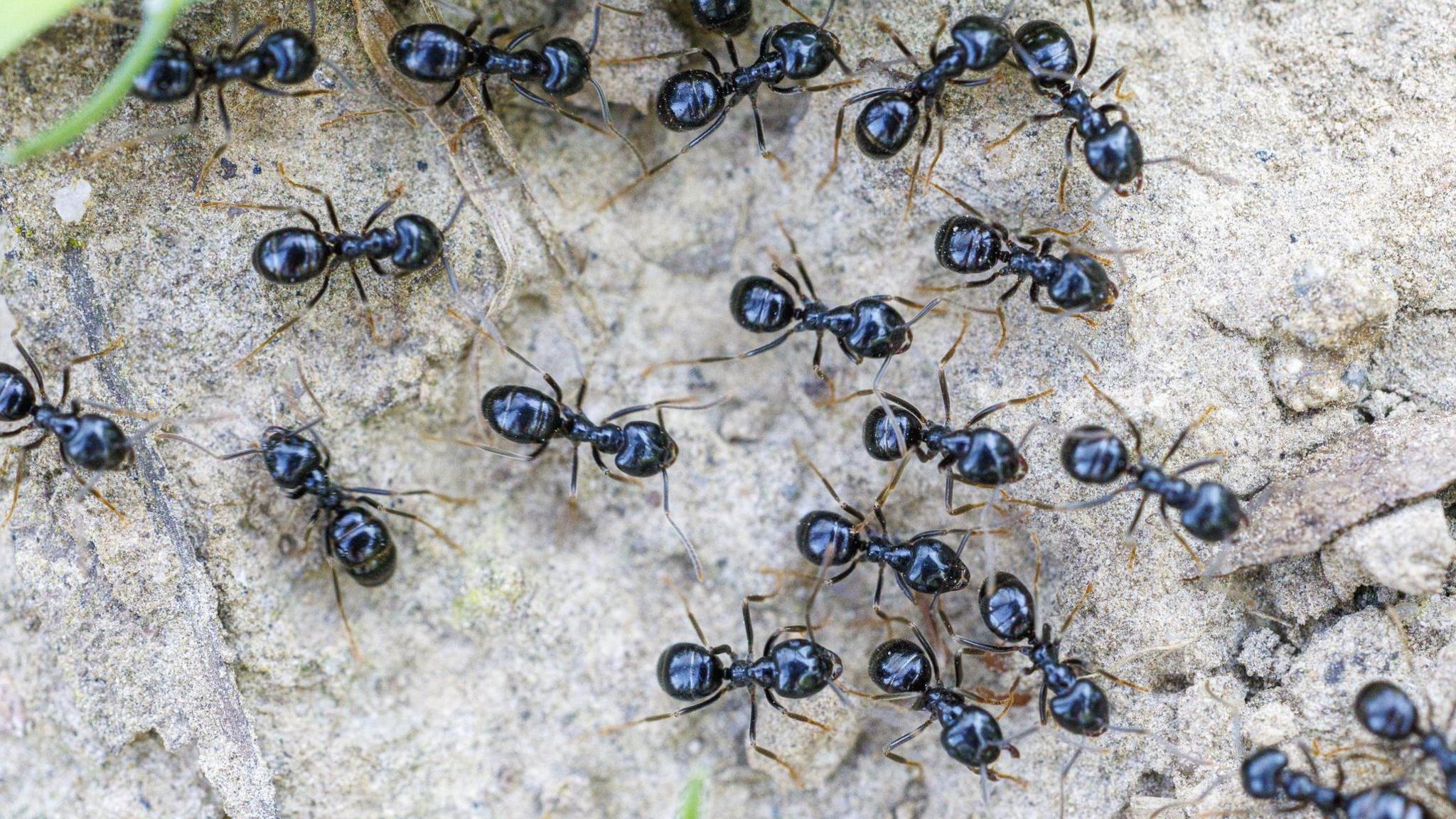
South Korean prosecutors have requested a one‑year jail term and a 20 million won fine for the proprietor of a two‑star Michelin restaurant that secretly used ants as a dessert garnish for its 15‑course menu over the last four years.
The ants—some 49,000 in total—were imported from the United States and Thailand and were rarely listed in the country’s approved insect list that currently includes grasshoppers, crickets and locusts. Authorities say the imported ants contained up to 55 times more heavy metals than typical edible insects, raising serious food‑safety concerns.
According to the owner, the ants were a minor element of the menu, providing a unique crunch as a topping for sorbets, and diners were offered an alternative. Nevertheless, the use of an unapproved insect breached South Korean food‑regulation laws.
The case underlines the growing debate in culinary circles: exotic ingredients can enhance a dish’s appeal, yet they must comply with strict safety standards. While Antiques can be culinary curiosities abroad, locally they remain disallowed.
The verdict is set for 2 September, and the incident is likely to influence how restaurants approach innovative, yet potentially risky, ingredient sourcing worldwide.