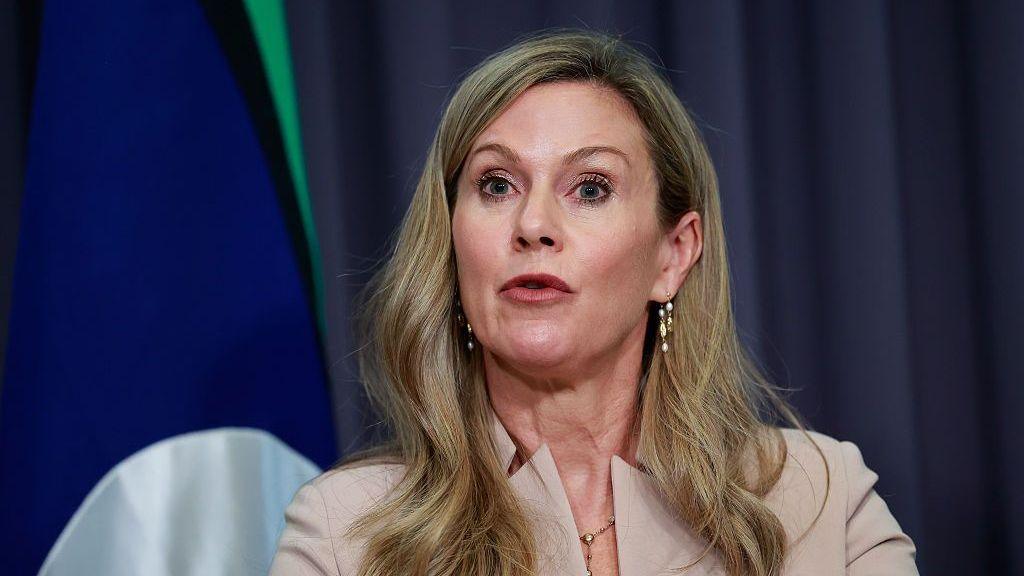
Meta’s $2tn Empire Lifts While Zuckerberg’s Image Plummets
At Meta’s annual Meta Connect product event, Mark Zuckerberg delivered a reflective opening, calling the act of building a technology “love” that pours hearts and souls into its products. The tone was almost wistful after only a few minutes onstage, a stark contrast to the company’s buzzing product unveilings.
Yet in the wake of his gloomy remarks, financial data paints a bullish picture: the company’s second‑quarter revenue jumped 28 % year‑on‑year, while its advertising juggernaut continues to pull in billions of dollars.
Meta’s trust deficit
Meta has become a lightning‑rod for criticism from regulators, civil‑rights groups and users alike. A series of lawsuits alleged that its chatbots can engage kids in romantic conversations, spread false medical advice and design addictive experiences specifically for young users. In New Mexico, a jury found Meta a “public nuisance” and fined it $942 m, while similar suits in California awarded victims millions in damages.
The company has countered the claims with settlements—most notably, an $18 bn deal with 48 states and the District of Columbia that included strict user‑limit rules for teens and a pledge to strengthen safety protocols.
Meta’s new AI agent
The signal for future growth lies in Muse, Meta’s first publicly available AI personal assistant. Unlike simple chatbots, Muse is an agent that can carry out multi‑step tasks, from ordering groceries to managing calendar schedules. After a month on app stores, Muse already counts over five million downloads and more than three million weekly active users, eclipsing the early adoption of ChatGPT in North America.
Muse will be coupled with Meta’s forthcoming smart glasses, promising “personal super‑intelligence” that operates hands‑free. Meta says it will store all Muse data within a private, isolated virtual machine in the cloud, even pledging that the company itself won’t access individual user data when the system is live.
Privacy versus convenience
While privacy advocates condemn the “pervert glasses” narrative—fans of Meta’s head‑up displays worry about covert recording—the company insists on privacy safeguards that, in practice, require users to opt‑in for each level of protection.
Despite legislative pressure to curb addiction, Meta’s user base is still growing: Instagram and WhatsApp saw a 3 % YoY rise in active accounts, and Meta claims teens account for under 1 % of its revenue. Analysts argue that convenience remains the key lever keeping users glued to the platform, even if they distrust the business.
Meta’s financial health is buoyed by a $83.7 bn debt load, yet its advertising revenue—$60.8 bn in the last quarter—provides the cash flow to fuel AI and metaverse bets.
In short, the company’s capital base is solid, its growth pipeline is active, but the business depends on a fragile public trust that has been repeatedly tested by lawsuits and social backlash.