Background of the Case
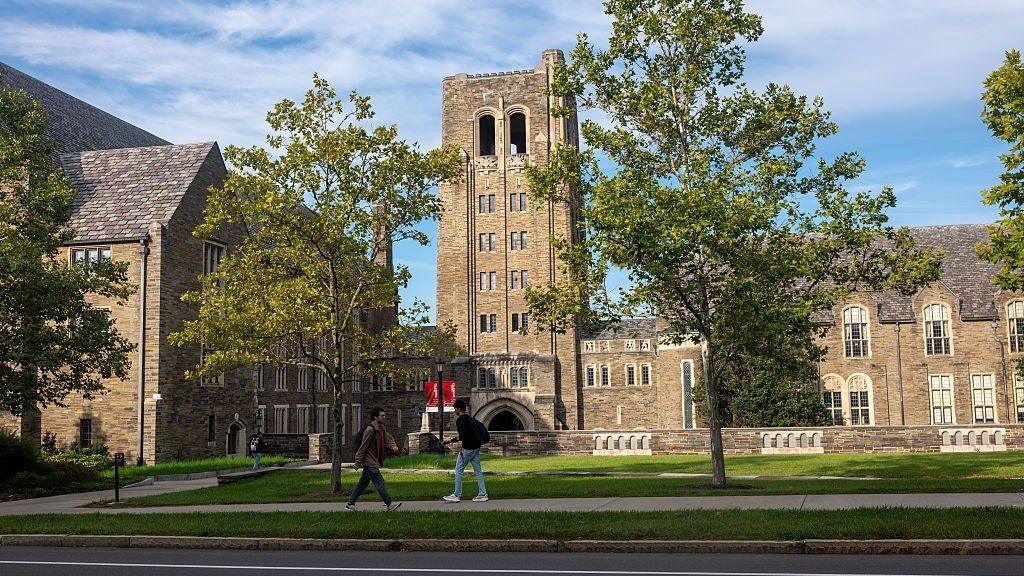
The attorney for the woman who claims she was raped at a Cornell University fraternity house confirmed that the woman—identified only as Jane Doe in court documents—was severely intoxicated when she arrived at the party. In a CNN interview, Thomas Giuffra said Doe’s lack of consent was “grossly impaired” by ketamine, a drug she alleges was forced upon her.
Doe alleges she was assaulted by seven men on campus in 2024. No criminal charges were filed at the time, but the case was reopened after Doe filed a civil lawsuit, which thrust the allegations into the national spotlight and revived the possibility of criminal prosecution.
Online Siege and Misidentification
Giuffra warned that Doe “is under siege” on social media as users attempt to locate her identity. He noted several posts had also incorrectly identified other women as Doe, sparking further confusion. In one incident, the lawsuit was mistakenly served to an active‑duty U.S. Marine Corps sergeant who shared a name, which resulted in a wave of abuse and threats toward the wrong individual. The Free Press reported on the incident.
Supporters of Doe have flooded the internet with videos titled “I am Jane Doe,” sharing personal stories of sexual assault to protect her anonymity. These solidarity posts aim to complicate online searches for her name and to highlight the broader issue of sexual violence.
Political and Legal Response
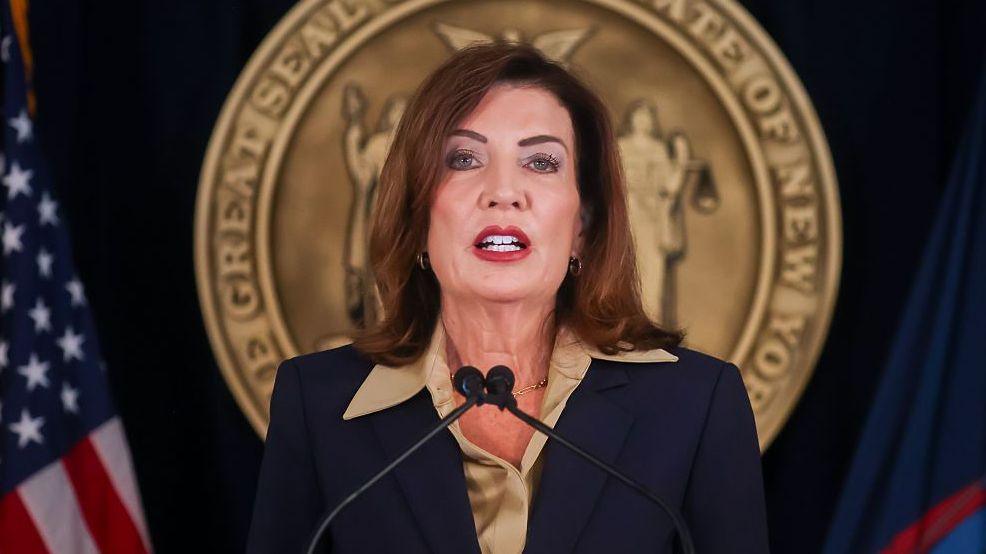
The case has attracted attention from New York Governor Kathy Hochul, who appointed Attorney General Letitia James to oversee the investigation after she expressed a loss of faith in the county prosecutor. Hochul emphasized that the young woman had “already endured something that is utterly unspeakable” and that institutions had repeatedly failed to protect her. She also promised to close a loophole in state law that makes it difficult to bring rape charges when the victim voluntarily consumed alcohol or drugs.
During a CBS interview, Giuffra reiterated that Doe was under the influence of ketamine and argued that the mental state of the victim invalidated consent. He also highlighted the pressure she faced to ingest the drug before the alleged assault.
Campus Reactions
University students have expressed frustration at a public hearing over the case, voicing concerns about campus safety and the handling of sexual‑violence allegations. Interviews with campus police indicate that Doe felt “like a sex doll” and “bait” during the attackers’ actions, describing the situation as “sad” and unfamiliar to her.
The overall narrative underscores a clash between legal accountability, online vigilantism, and the protection of a victim’s privacy in the age of social media.