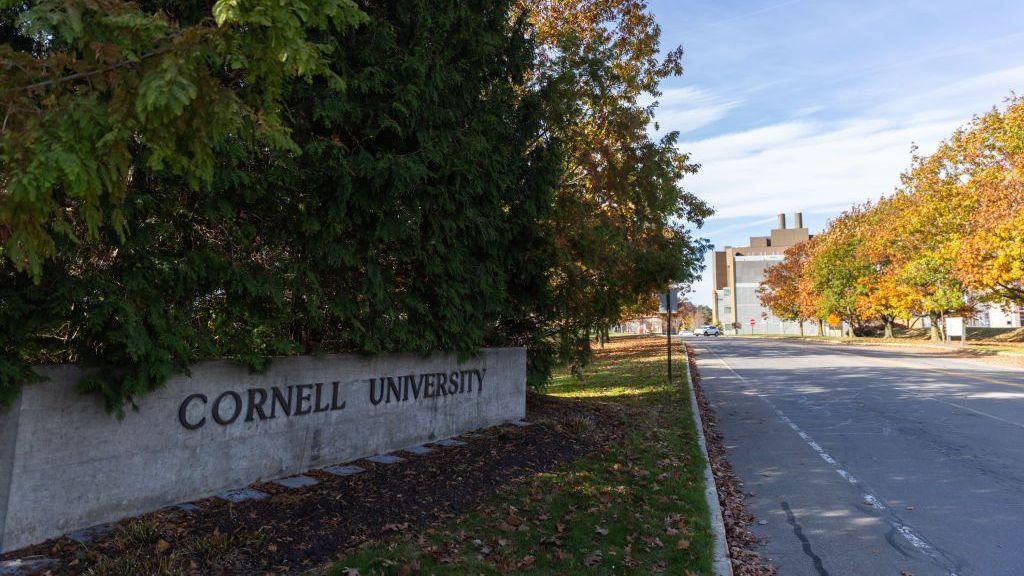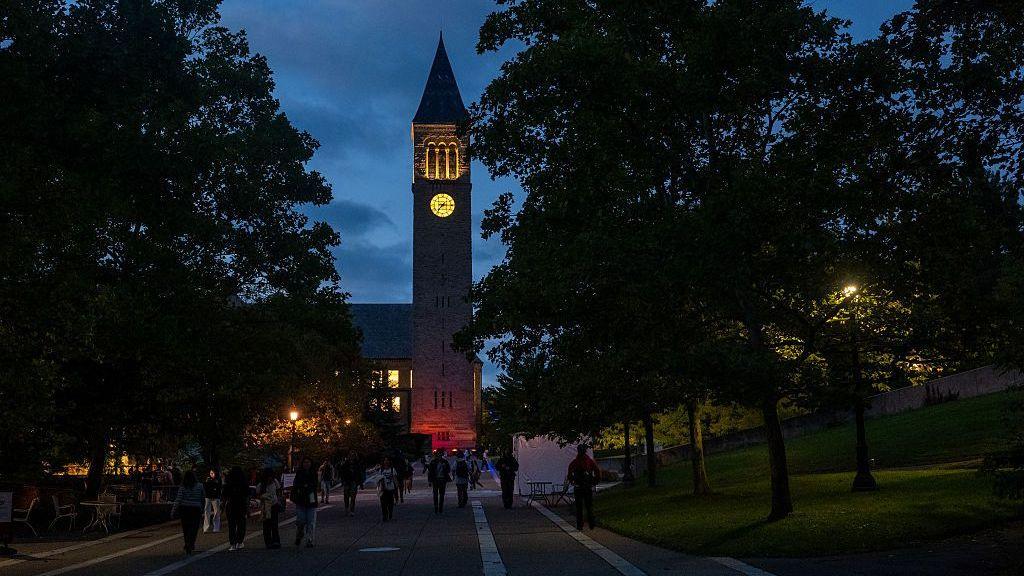
In the rolling hills of upstate New York, the picturesque campus of Cornell University is shrouded in a tense, almost palpable gloom as students confront a series of mounting accusations linked to a 2024 fraternity rape case.
Allegations that a group of men from the Chi Phi fraternity drugged and raped a woman—later named Jane Doe—have led to a civil lawsuit and a university‑led investigation that many feel was too lenient. The case has sparked a wave of anger, with students demanding a transparent, independent inquiry and the revocation of any degrees granted to the alleged perpetrators.
On Thursday, a campus assembly saw dozens of students voice their discontent. “We deserve to know that our institution values our safety more than its reputation,” said undergraduate Sophia Riley Sim, who has missed classes for the past week. Freshman Eliana Dolven‑Miller admitted she felt deeply disgusted, saying the campus’s handling of the incident was unacceptable.
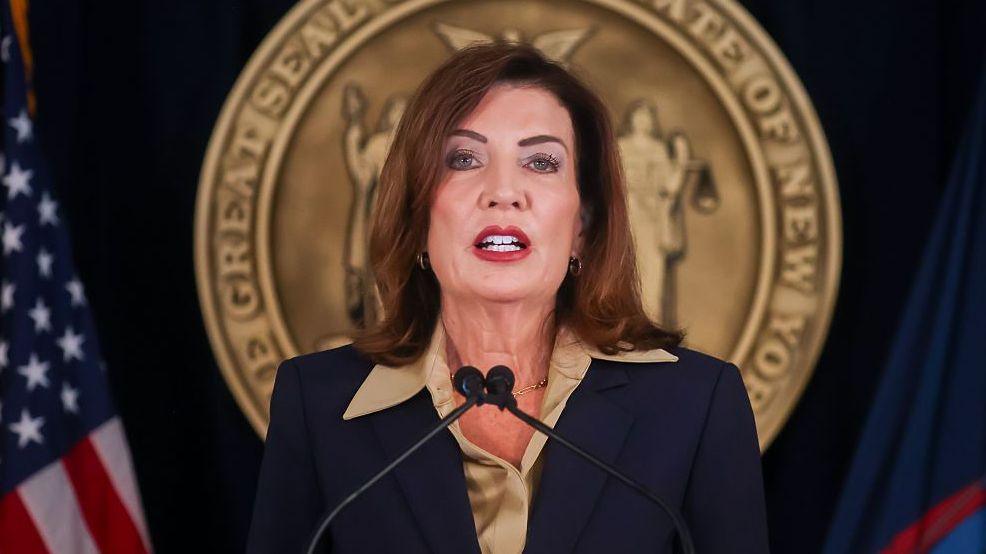
In a move that underscores the seriousness of the situation, New York Governor Kathy Hochul announced that Attorney General Letitia James would serve as a special prosecutor in the case, citing a loss of faith in the existing district attorney’s work. The state prosecutor will take over from Matthew Van Houten, who had previously concluded the evidence did not meet criminal thresholds before reopening the investigation following the new civil complaint.
The university’s statement emphasises that it conducted an “extensive investigation” adhering to federal civil‑rights law, but students and alumni argue for a full, public reporting of findings to restore trust.
On campus, the atmosphere is described as “dismal” by faculty members, who note that many staff are not trained as counselors, making it difficult to address student concerns. Newcomers to the university are especially unsettled, with fresh insights from a young woman who said her friends had been discussing the case all day.
A coalition of over 1,300 alumni has signed a letter demanding swift, expansive action, questioning whether Cornell will confront a broader problem of sexual violence rather than safeguarding its image. The letter, published in the university’s student newspaper, urges the campus to conduct “a closer examination of sexual violence proliferation” and avoid complacency.
During the assembly, the student group also pushed for the university to release a written account of the case’s handling, including evidence gathered, disciplinary outcomes, and whether the case was ever referred to campus police. One attendee sharpened the push for full transparency with the plea, “We can’t tolerate this unequal treatment.”
In the days ahead, the campus will host a large “Justice for Survivors” protest scheduled for 5 October, with flyers across campus urging a reassessment of fraternity protocols, the revocation of degrees, and mandatory prevention training for campus police.