In brief
As the investigation continues into the Christmas market tragedy that left five dead, Germany's political landscape is fracturing over the handling of immigration and public safety issues.
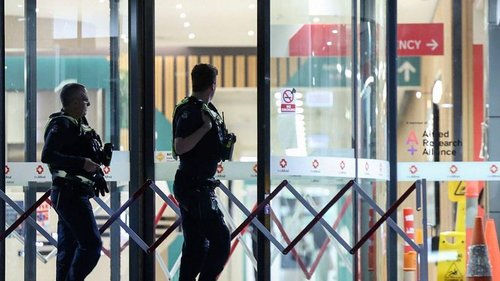
A Christmas market in Magdeburg, eastern Germany, turned into a scene of horror after a tragic incident where an assailant drove an S.U.V. into a crowd, resulting in five fatalities, including a 9-year-old boy. Following the attack, which also injured over 200 individuals, the focus has shifted from mourning to politicization of the incident as Germany gears up for snap elections in February.Authorities have detained a 50-year-old Saudi refugee doctor suspected of carrying out the attack, reigniting debates over immigration policies and national security. In a highly charged environment, political leaders are seizing the moment to advocate for their positions regarding these contentious topics. The hard-right Alternative for Germany (AfD) party has been particularly vocal, organizing a demonstration in Magdeburg to pay respects while simultaneously using the event to criticize the government's immigration controls.Alice Weidel, the AfD candidate for chancellor, did not shy away from leveraging the tragedy for political gain, stating that “Magdeburg would not have been possible without uncontrolled immigration.” She emphasized the need for tougher immigration laws and increased deportations, reflecting a growing sentiment among certain parties to confront the immigration debate head-on.Despite calls for unity and respect for the victims, backlash against the German government is mounting, including comments from influential figures like Elon Musk. Skepticism is swirling regarding why authorities did not respond to previous alerts about the suspect’s concerning behaviors, raising demands for answers as to how such a tragedy could occur amidst known risks.As the nation grapples with the aftermath, the incident not only highlights pressing social issues but also foreshadows a political clash that may define the upcoming campaign period. With confidence in the government already shaken following Chancellor Olaf Scholz's lost confidence vote, the fallout from this tragedy could spell further complications for the current political climate in Germany.