In brief
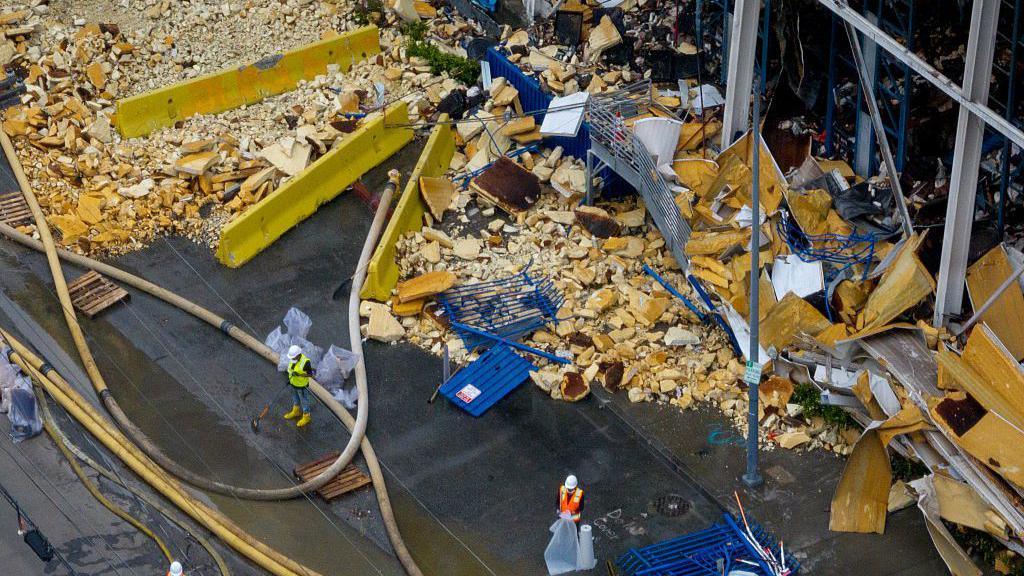
On June 17 a massive fire gutted a cold‑storage warehouse in Boyle Heights, Los Angeles, unleashing 85 million pounds of rotting beef, pork, poultry and seafood. The stew of rotting food has infused the neighbourhood with a volatile stench likened to a “dead body,” prompting residents to call residents, city officials and the responsible company Lineage a scandal. Despite 80 percent of the waste being removed, cleanup progress lags; flies and rats swarm the area, and local businesses—such as a coffee stand that has reopened—suffer. Mayor Karen Bass has publicly criticised Lineage’s slow response and issued executive orders to accelerate cleanup, deploy mobile health clinics and air‑purifiers, and suspend any rebuild plans until health and safety are assured. The situation underscores the delicate balance between emergency response, public health and community trust.
On June 17 a large cold‑storage warehouse in Boyle Heights, Los Angeles, caught fire and exploded, broadcasting a cloud of tobacco‑like smoke over the neighbourhood and releasing 85 million pounds (39 million kg) of rotting meat, seafood and poultry into the air.
The scent has spread like a living thing, washing over streets and turning the district into a saturated stench that residents say is "like a dead body."
A local security guard, Mesha, reports the smell is so cold and dead it seems to put people at risk, with a city‑commissioned inspection warning that the heat and waste could breed disease‑carrying fly populations.
Where once a coffee stand drew crowds of workers and drivers, the street corner now hangs empty and flies swarm the tiny tables. A 30‑year‑old owner, Alexis Sicairos, says flies and the odor have discouraged former regular customers, leaving him with unpaid rent but no choice but to keep the business running.
Lineage, the company that operated the warehouse, claims that 80 percent of the rotting food was removed and the structures have begun to dismantle. City officials, however, say the company’s performance falls short, issuing public health violations and a $500 per day fine for unsanitary conditions.
Mayor Karen Bass pursued an executive order to clean the area faster, dispatching mobile health clinics and thousands of air‑purifier units to residents. She has also ordered the suspension of any future rebuilding plans until health concerns are fully addressed.
In response, Lineage lifted a deadline to finish the cleanup by August 13, but remains behind schedule. The company expects to spend between $80 million and $100 million on the operation, "to complete bulk food waste removal from the site next week," an official spokesperson said.
Meanwhile, community members have staged protests, demanding that the city act decisively on the cleanup. The protests are a sign the neighborhood is fiercely demanding transparency and timely action as the concrete piles of rotting food keep curling off the warehouse roof’s roof while residents endure the smell and the invasive insects around them.