In brief
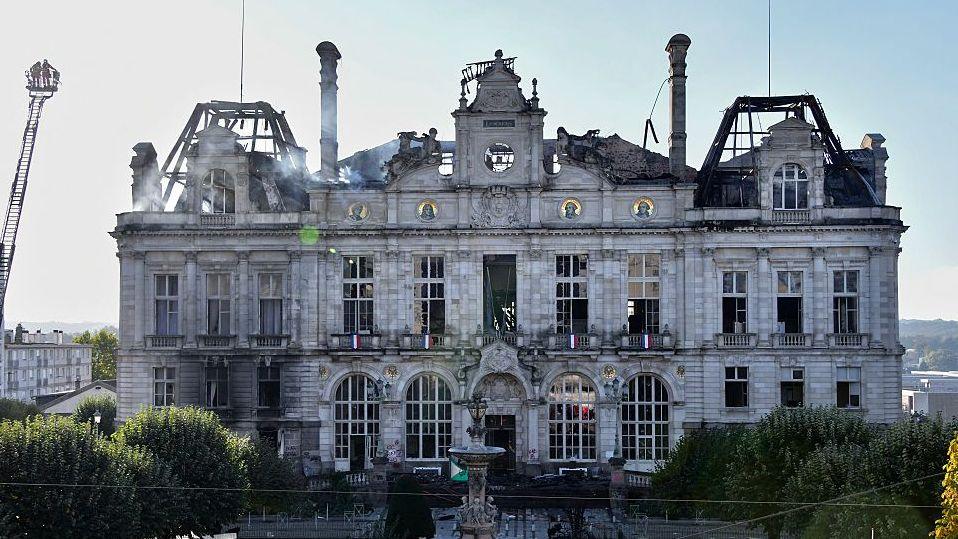
Six months into his term, mayor Guillaume Guérin found himself choking on the news that the historic town hall of Limoges had been reduced to ash during a wave of protests that swept the country. The blaze, which consumed the wooden clock tower and gutted the exterior, has become the defining image of a movement that began over grievances in education and spiralled into a broader outcry against France’s soaring living costs. Authorities have arrested two suspects who are said to have links to radical left networks, while Guérin has blamed left‑wing rioters for the destruction. Meanwhile, residents ranging from seasoned fishmongers to college students have offered mixed perspectives on whether the fire was a justified lamentation of social injustice or an unacceptable escalation. With a French presidential election looming, the incident forces the nation to confront the fine line between protest and vandalism.
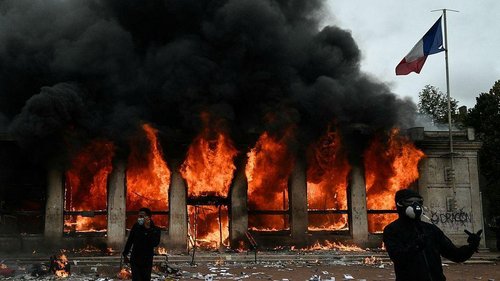
The 19‑century town hall in Limoges, southwest‑central France, stands half‑destroyed by fire, the wooden timber of its clock tower collapsed into flames. The scene has become the keystone image of a nationwide protest movement that has turned increasingly violent over France’s mounting cost‑of‑living crisis.
Guillaume Guérin, who began his mayoral term just six months ago, has been left grappling with the immediate aftermath. He has spoken of being in tears when he first saw the damage, calling the incident a “historical tragedy for France, not just for Limoges.” His words come amid claims that a group of left‑wing rioters, linked to what prosecutors call radical left networks, set the building alight. Two men – a 66‑year‑old and a 34‑year‑old – have now been arrested in connection with the blaze.
A mix of local sentiment has emerged. Fishmongers like Jean Roger Faucher, who married in the hall, say the destruction “has stunned us” and that while many sympathise with legitimate grievances, the violence and endangerment of residents disqualifies such protests. Meanwhile, a 19‑year‑old student named Jade points out that the loss of a historic building is regrettable but argues it is not the most painful element of the protests, citing the distress over living on a tight budget of €300 a month.
Reports show that the damage on what Sotheby‑sales‑week narrative accounted as €500,000 (about £420,000) in Limoges alone. With France’s political polarisation ever‑intensifying, members of the centre‑right government say the incident will influence the upcoming presidential race. Prime Minister Sébastien Lecornu visited Limoges last Friday and, along with city officials, set up a curfew and limited gatherings to ten people in the city centre.
Beyond the immediate shock, the Limoges incident reinvigorates the debate over the limits of civic dissent: can a nation tolerate a riot that destroys a centuries‑old symbol, or should protest remain non‑violent? The answer may shape the discussion leading up to France’s upcoming elections, as the country navigates the twin challenges of fiscal deficit and growing discontent among its voters.